
Reviewed · GHANAIAN NAMING CEREMONY EXPERIENCES
Traditional Naming Ceremony For African Americans In Kumasi
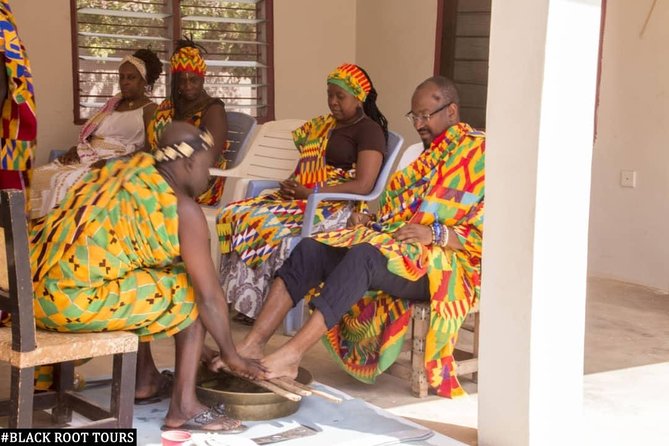
A traditional Asante naming ceremony gives you more than a sightseeing stop. You receive a name selected for you according to the day you were born, then take home a woven Kente script and a certificate recording the occasion. Guide Maclean has been praised for making the rite personal, patient, and emotional. I like that this is a private experience, and I like that it connects the ceremony with Ntonso Adinkra crafts and Adanwomase Kente weaving.
The practical side is strong, too. Lunch, fuel, and an air-conditioned vehicle are included in the $180 price, so you are not piecing together transport and meals in Kumasi. The main consideration is that admission at the two craft sites is not included, and the four-hour schedule may feel short if you want plenty of time for shopping or a slower look around.
Key Points
- Receive an Asante name chosen for your birth day, along with a certificate and woven Kente script.
- Meet guide Maclean, who leads the private experience and explains the ceremony.
- Visit Ntonso, known for Adinkra cloth stamping and handmade textile work.
- See Adanwomase Kente Weaving Village, with a cocoa farm visit included in the day.
- Travel privately in an air-conditioned vehicle, with fuel and lunch covered.
- Plan for extra spending, since site admission and personal shopping are not included.
A Personal Name in the Asante Tradition
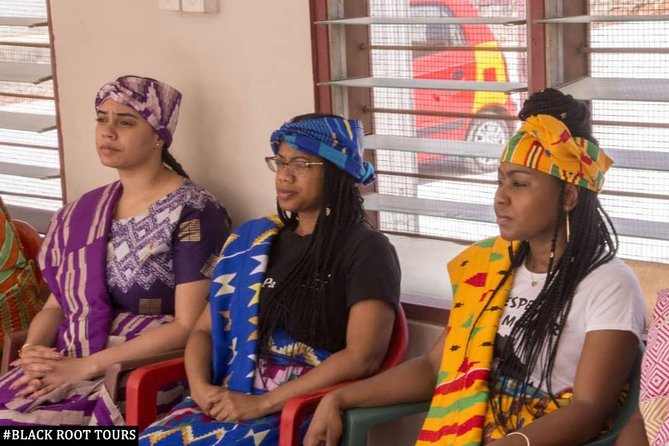
The ceremony is the heart of this Kumasi experience. Rather than simply watching a cultural performance, you take part in a formal naming rite and receive a new name connected to the day of your birth.
For African American visitors, that can give the visit a personal focus that a standard city tour may not provide. The ceremony is designed around heritage and connection, but you should approach it with respect and an open mind. It is not just a photo opportunity or a quick presentation for a tour group.
The name is selected from the Asante culture based on your birth day. The information provided does not spell out the full ceremony sequence or the exact role of every participant, so you should allow the event to unfold rather than expect a fixed script with every moment explained in advance.
At the end, you receive two meaningful items: a woven Kente presentation and a certificate bearing your name. These are more substantial keepsakes than the usual market purchase, since they are tied directly to the rite.
The personal side of this activity matters. One participant received the name Abena Agyemang, chosen in honor of the chief’s late wife. That detail shows how the ceremony can carry real emotional weight. Your own experience will depend on the name selected and the way the ceremony is conducted, but you should be prepared for something more moving than a routine cultural stop.
More naming ceremony experiences:
- Traditional naming ceremony For African Diasporas in Kumasi
★ 5.0 · 10 reviews - Full Day Tour with Traditional Naming Ceremony in Kumasi
★ 5.0 · 4 reviews - The Ancestral Naming Ceremony and Home Coming Experience
★ 5.0 · 30 reviews
Meeting Maclean in Kumasi
Maclean is the guide associated with this experience, and the available feedback repeatedly highlights his calm, patient manner. One person described him as a guide who reconnected them with their ancestors, while another called him easy to work with.
Those details are useful because a naming ceremony requires more than driving from place to place. You may have questions about the meaning of your name, the ceremony itself, or the objects presented to you. A patient guide can make the difference between feeling included and simply standing at the edge of an unfamiliar event.
The tour is private, so only your own group participates. That gives you more room to ask questions and respond to the ceremony at your own pace. It also makes the $180 per-person price easier to assess for families, couples, or friends who want a shared experience without strangers joining the vehicle.
The start time is 9:00 a.m. Pickup is offered, and the activity ends back at the meeting point. The exact pickup arrangement should be confirmed when you book, especially if you are staying outside central Kumasi or arranging this while visiting Cape Coast or Accra.
Ntonso and the Art of Adinkra Cloth
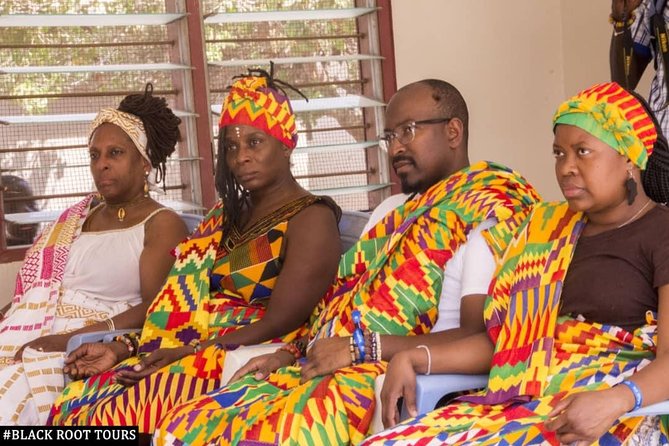
The first listed stop is Ntonso Adinkra Craftsmen, a village associated with Adinkra cloth stamping. The site gives the ceremony a useful cultural setting because you see another Ghanaian textile tradition alongside the Kente work later in the day.
Adinkra cloth is recognized for stamped symbols and visual designs. The available details do not specify the exact demonstration or workshop format, so you should not assume that hands-on stamping is part of the booking. You are visiting the craft village, with admission handled separately.
This stop can be especially worthwhile if you want to understand that Ghanaian textiles are not one single art form. Adinkra and Kente have different visual identities, and placing them in the same outing lets you compare the patterns, materials, and presentation of each tradition.
The main practical point is cost. Admission to Ntonso is not included, and personal shopping is also excluded. If you want cloth, souvenirs, or other handmade goods, bring a separate budget. The price of any purchases is not covered by the tour.
I would also keep your expectations sensible. A craft village can be both a cultural visit and a commercial setting. You may see products offered for sale, but you are not required to buy anything. Since the tour includes a separate visit to Adanwomase, your guide can help keep the day focused on the wider experience rather than turning every stop into a shopping session.
Adanwomase Kente Weaving Village and Cocoa Farm
The second major stop is Adanwomase Kente Weaving Village, paired with a cocoa farm tour. This combination brings together two products strongly associated with Ghana: handwoven Kente cloth and cocoa.
Kente is one of the most recognizable textile traditions in Ghana. At Adanwomase, you can expect the focus to be on the weaving village and its role as a tourism site. The supplied details do not promise a particular weaving demonstration, length of visit, or chance to operate a loom, so check with Maclean if those points matter to you.
The visit has clear value for anyone who has just received a Kente script during the ceremony. You can see the craft tradition in a broader setting instead of treating the cloth as a decorative object with no story behind it. That connection makes the souvenir feel less detached from the ceremony.
The cocoa farm adds a different kind of context. The tour does not provide detailed information about the farm visit, so you should think of it as an included stop rather than a full agricultural course. Still, it gives the half-day some variety. You move from ceremony to cloth production, then to the crop that supports a major part of Ghana’s agricultural identity.
Admission at Adanwomase is not included. The same budget advice applies here: carry extra money for entry and personal shopping, and ask what is covered before you arrive. The $180 price includes lunch, transport, and fuel, but not these site admissions or purchases.
A few more Kumasi days to weigh up
- Bonwire Namimg Ceremony and Kente Tourist Center
★ 5.0 · 40 reviews - Tour Kumasi City Like a Local
★ 4.5 · 34 reviews - Kumasi City Tour
★ 5.0 · 8 reviews - Kumasi City Tour
★ 4.5 · 7 reviews
What the $180 Price Covers
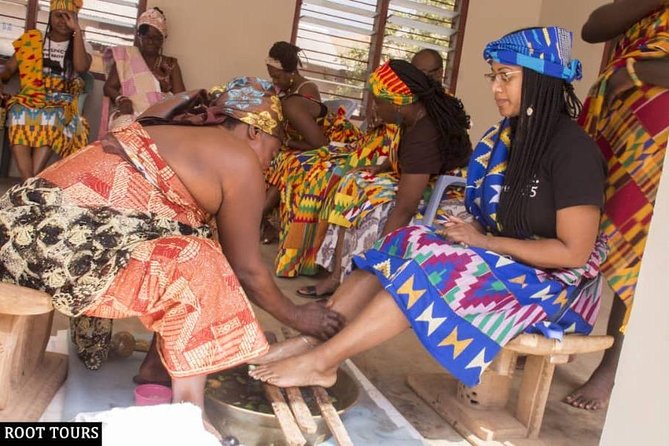
At $180 per person, this is not a bargain-priced local transfer. It is a private, half-day cultural experience with a ceremony at its center. The value depends on how important the naming rite is to you.
Included in the price are:
- Lunch
- An air-conditioned vehicle
- Fuel surcharge
- The private tour arrangement
- The traditional naming ceremony, including the name, Kente script, and certificate described in the experience
The transport inclusion is useful in Kumasi, where arranging several separate rides can take time and make a carefully timed morning harder to manage. Air conditioning is also a practical comfort in Ghana’s warm climate, especially when you are combining several stops.
Lunch helps keep the four-hour outing simple. You do not need to stop and arrange a meal during the visit, though the information does not identify the menu, restaurant, or dietary options. If you have food restrictions, ask about them before the tour.
The two main extras are admission fees at Ntonso and Adanwomase, plus anything you choose to purchase. These costs are not stated, so bring spending money and confirm the current amounts. The tour is easier to compare with other private experiences once you count the included vehicle, driver-related fuel cost, meal, and ceremony items.
For a solo visitor, $180 may feel high for four hours. For a small private group, the personal ceremony and dedicated transport can make the price more reasonable. You are paying for a focused cultural occasion rather than a long list of attractions.
Four Hours That Need a Clear Pace
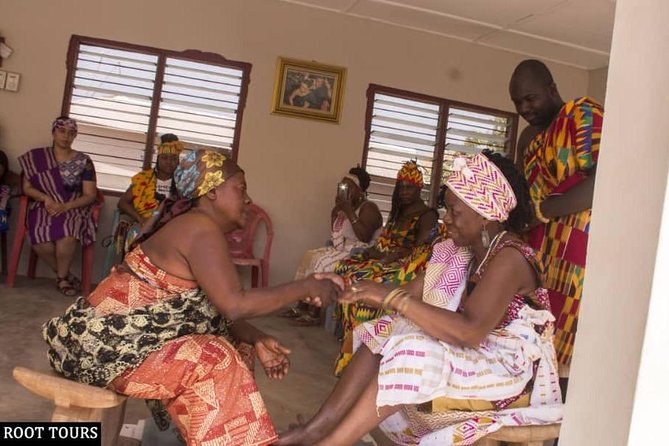
The activity lasts about four hours and begins at 9:00 a.m. That is enough time for the ceremony, two cultural stops, lunch, and transport within the planned route, but it does not leave much space for delays or extended shopping.
I would treat the timing as a structured half-day. Keep your morning free, arrive ready to leave at the start time, and avoid adding another fixed appointment immediately afterward. The tour ends back at the meeting point, which helps with planning, but the exact return time can vary because the duration is approximate.
The private format should help. Maclean is not managing a large coach party, and your group can focus on the ceremony without waiting for a crowd at every step. Still, you should not expect unlimited time at Ntonso or Adanwomase if the ceremony and lunch are to fit into the morning.
This pace suits you if you want one meaningful cultural activity before continuing with your Kumasi plans. It may not suit you if your main goal is extensive textile shopping, long craft demonstrations, or a slow rural visit. The experience is built around the naming rite, with the villages providing context and variety.
Who Will Get the Most From This Experience
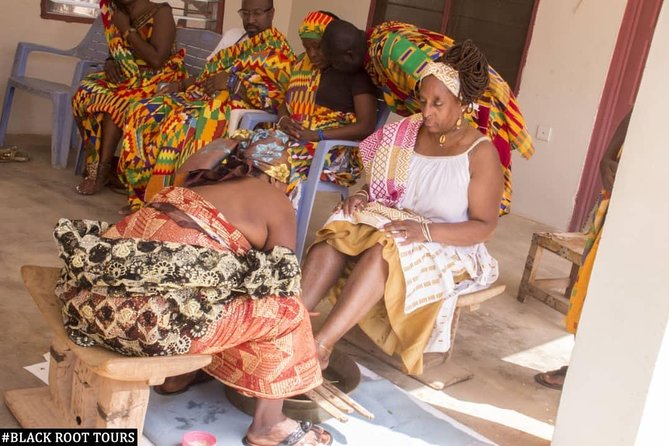
This tour is aimed at African Americans visiting Ghana, including people staying in or making plans around Kumasi, Cape Coast, and Accra. The actual ceremony and listed stops are in the Kumasi area, so confirm transport arrangements if you are based elsewhere.
I see the strongest match for:
- First-time visitors seeking a heritage-focused activity
- Solo visitors who want a private setting
- Couples or families who want a shared naming ceremony
- People interested in Ghanaian textiles and handmade craft
- Anyone who values a personal keepsake more than a long sightseeing checklist
You should book with the understanding that the ceremony is the main event. If you prefer museums, monuments, or a broad city tour, this may feel too focused. If you want a personal cultural moment connected with an Asante name, it offers something far more specific.
Most people can participate, and the tour is near public transportation. The available information does not provide detailed accessibility specifications, so contact the provider if you need particular vehicle or site arrangements.
Booking, Weather, and Small Practical Details
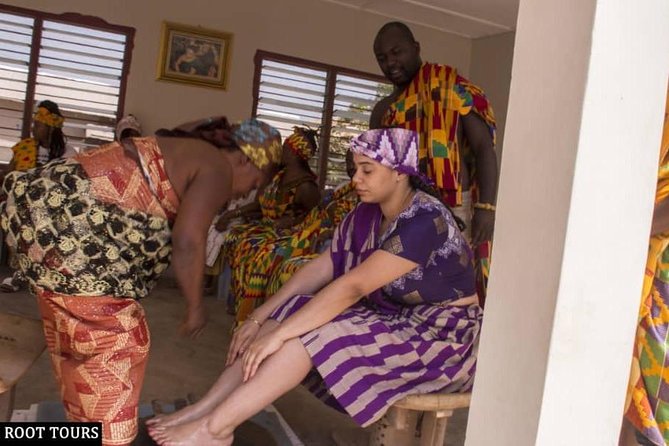
Confirmation is provided at booking. Pickup is offered, but you should confirm the meeting details, especially if you are not staying near the standard meeting point.
Free cancellation is available if you cancel at least 24 hours before the 9:00 a.m. start time. A cancellation made less than 24 hours ahead is not refundable, and changes inside that window are not accepted. The cut-off follows local time.
The activity depends on good weather. If poor weather causes cancellation, you are offered another date or a full refund. That policy matters because the cocoa farm and village visits are not fully indoor activities.
Bring a respectful attitude and enough time for the ceremony. You will also want cash or another suitable payment method for admission and personal shopping, since those costs are separate. The experience does not state how much shopping time is included, so ask before the day begins if buying Kente or Adinkra cloth is important to you.
Should You Book the Kumasi Naming Ceremony?
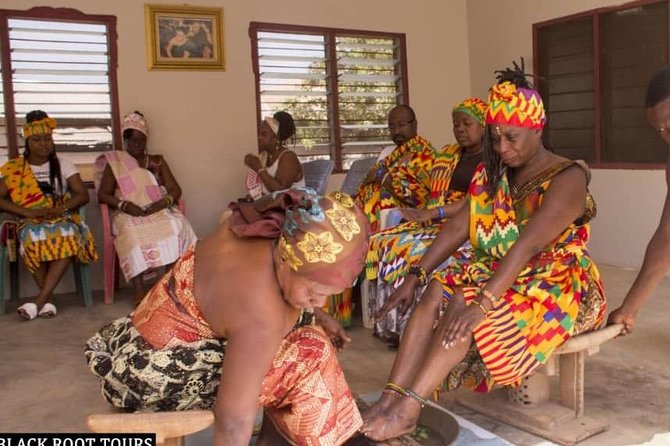
Book this experience if you want a private, heritage-centered moment and the idea of receiving an Asante name speaks to you. The strongest parts are the personal ceremony, the certificate and Kente presentation, Maclean’s patient guidance, and the chance to place the rite alongside visits to Ntonso and Adanwomase.
I would skip it if you are looking for a low-cost tour, a full-day Kumasi sightseeing plan, or extensive time at craft sites. The $180 price does not cover admission or shopping, and four hours is a fairly tight schedule.
For the right person, though, the ceremony can become the emotional center of a Ghana trip. You leave with a name, a certificate, a textile keepsake, and a story that is tied to your time in Kumasi rather than something picked up from a market shelf.
FAQ
Where does the traditional naming ceremony take place?
The experience is based in Kumasi, Ghana. It is designed for African Americans visiting Kumasi, Cape Coast, and Accra, but the listed ceremony and stops are in the Kumasi area.
What time does the activity start?
The tour starts at 9:00 a.m.
How long does the experience last?
The activity lasts approximately four hours and ends back at the meeting point.
Is hotel pickup available?
Pickup is offered. Confirm the exact pickup arrangement and location when booking.
What do I receive during the naming ceremony?
You receive a new name selected according to the day you were born in the Asante tradition, along with a woven Kente script and a certificate with your name.
Are lunch and transportation included?
Yes. Lunch, an air-conditioned vehicle, and the fuel surcharge are included.
Are admission fees and shopping included?
No. Admission fees for Ntonso Adinkra Craftsmen and Adanwomase Kente Weaving Village are not included. Personal shopping is also excluded.
Just added around Kumasi
- Kumasi Culture and Heritage Tours★ 4.5 · 3 reviews
- Discover kumasi Tours★ 5.0 · 3 reviews
- Kumasi City Tour★ 4.5 · 3 reviews
- Kumasi: City Tour★ 5.0 · 3 reviews
- Full Day Tour with Traditional Naming Ceremony in Kumasi★ 5.0 · 4 reviews
- Lake Bosomtwe Boat Cruisely and Kumasi City Tours★ 4.5 · 6 reviews
- One day tour at Kumasi★ 5.0 · 6 reviews
- Kumasi City Tour★ 4.5 · 7 reviews
Ghanaian Naming Ceremony Experiences, compared.

The Ancestral Naming Ceremony and Home Coming Experience
Read our review →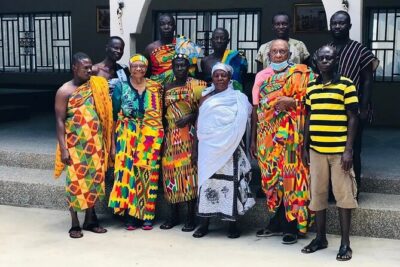
Naming Ceremony and Heritage Homecoming Experience for Diasporas
Read our review →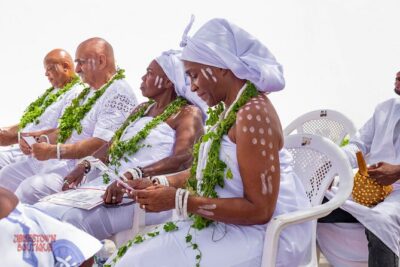
Traditional Naming Ceremony and Boat Cruise Experience
Read our review →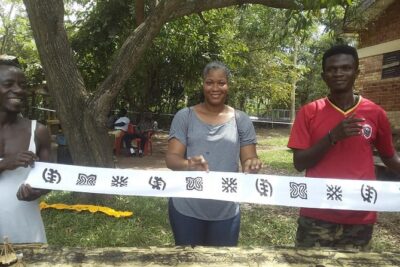
Kumasi Heritage Tours And Naming Ceremony In A Day
Read our review →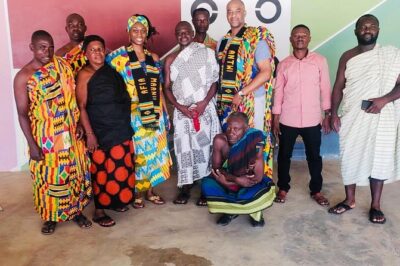
Traditional naming ceremony For African Diasporas in Kumasi
Read our review →
Naming Ceremony, Assin Manso Slave River and Cape Coast Castle
Read our review →
Cultural Village Tour: Traditional Naming Ceremony
Read our review →
Full Day Tour with Traditional Naming Ceremony in Kumasi
Read our review →Browse the lists this tour appears in