
Reviewed · KUMASI TOURS
Kumasi: City Tour
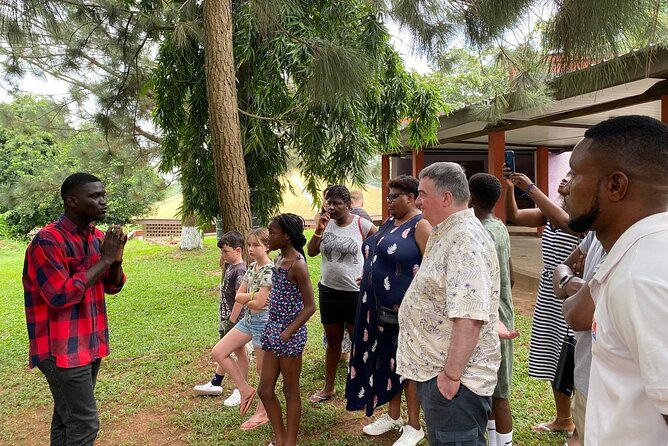
Kumasi’s story comes into focus through its royal court, crowded market, sacred sword site, and craft center. This five-hour private tour gives you a useful sweep of the city and the Asante kingdom without forcing you to sort out each stop on your own.
I like the route for two reasons: Manhyia Palace gives the tour a clear historical starting point, while Kejetia Market puts you right in the middle of present-day Kumasi. I also like that the visit ends with the Cultural Center and Prempeh Museum, adding art and daily life to the royal story.
The main drawback is the amount of walking. You move from the palace through the market and central business area, and the tour is not suitable for people with mobility impairments or pregnant women. Food and drinks are not included, so bring water and wear shoes you can walk in.
Key points to know before booking
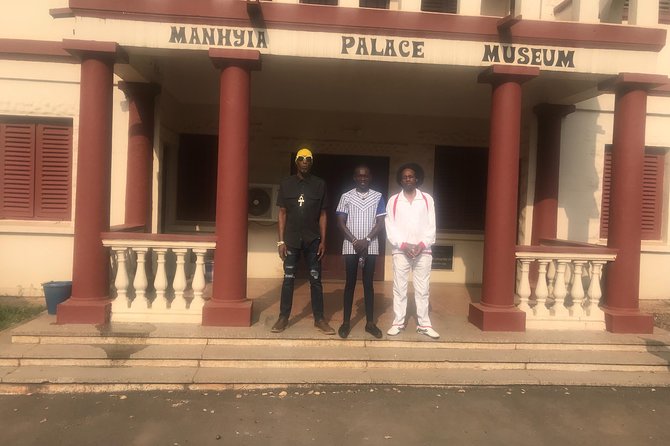
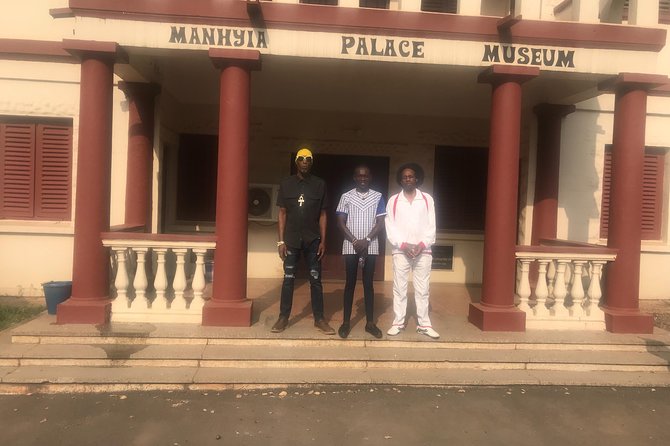
- Royal Kumasi begins at Manhyia Palace, the seat of the Asante kingdom and the tour’s main history stop.
- Kejetia Market fills the middle of the route, offering a close look at the city’s trade and daily movement.
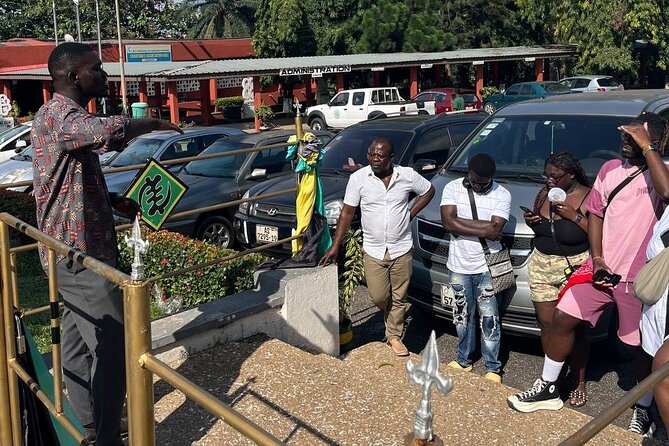
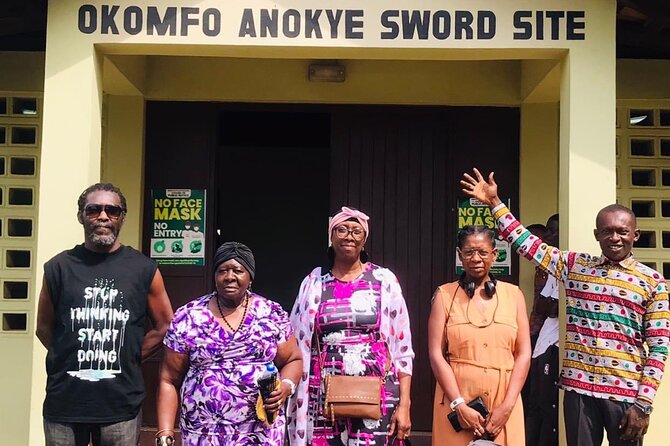
- The Okomfo Anokye Sword Site adds a spiritual layer, with stories surrounding the famous sword.
- The Cultural Center brings local art into the picture, with work by Ghanaian artisans.
- Prempeh Museum explains older Asante life, including how people lived in earlier times.
- A private English-language guide leads the way, with Ibrahim and Prussia named among the guides who have led this experience.
Why this Kumasi route works
Kumasi can feel like several cities at once. It is a royal center, a major commercial hub, and a place where Asante traditions remain part of public life. This tour connects those pieces in a sensible order.
You start at Manhyia Palace, then walk through Kejetia Market and the central business area. From there, the route moves to the Okomfo Anokye Sword Site, followed by the Cultural Center and Prempeh Museum. The result is not just a list of attractions. It is a simple way to see how royal authority, religion, trade, art, and home life fit together.
At $70 per person, the price is easiest to justify if you value a private guide and want entry tickets handled for you. All site admission and taxes are included. You still pay for your own food and drinks, and hotel pickup is not included, but the tour covers several major Kumasi sights in one half-day.
I would not choose this if you want a slow visit to one museum or a food-focused walk. The schedule has five stops or areas, so each part is designed to give you context rather than a long, quiet study of one place.
A few more Kumasi days to weigh up
- Bonwire Namimg Ceremony and Kente Tourist Center
★ 5.0 · 40 reviews - Tour Kumasi City Like a Local
★ 4.5 · 34 reviews - Traditional naming ceremony For African Diasporas in Kumasi
★ 5.0 · 10 reviews
Starting at Manhyia Palace
The central meeting point is Manhyia Palace, or you can be picked up from your destination if that arrangement is available for your booking. Meeting at the palace makes sense because it places you directly at the symbolic heart of the tour.
The palace is the seating area of the Asante kingdom, and your guide introduces the royal structure and its place in Kumasi. This gives you a useful frame for the rest of the day. When you later walk through the market or view older objects at the museum, you have already seen where the kingdom’s royal story begins.
I like starting here instead of opening with the market. Kejetia is likely to grab your attention first, but Manhyia Palace gives the day some order. It also helps you understand that Kumasi is more than a large commercial city. Its identity is closely tied to the Asante kingdom.
The supplied information does not specify how much of the palace is open at any given time, so your guide will be important in explaining what you see. English is the tour language, and the group is private, which should make it easier to ask questions as the visit unfolds.
Walking through Kejetia Market
From the palace, you walk toward Kejetia Market and the central business area. Kejetia is described as the biggest open market in West Africa, and it is the part of the route most likely to make you feel the scale and speed of Kumasi’s daily trade.
This is not a polished shopping district built for sightseeing. It is a working market. You can expect a crowded urban setting, plenty of movement, and a close look at how goods and people flow through the city. Your guide helps you make sense of the area rather than leaving you to wander without direction.
The market is also where the tour shifts from royal history to ordinary city life. That change matters. A palace can tell you about institutions and leaders, but a market shows you how a city functions from street level.
Keep your water close and wear comfortable shoes. The walking section is a real part of the experience, not a short transfer between buildings. Since food and drinks are not included, you may want to eat before the tour or plan refreshments separately, though the supplied details do not state where or when a food stop takes place.
If you dislike crowds, this could be the most demanding section. On the other hand, if you want to see Kumasi as a working city rather than as a string of isolated monuments, Kejetia is essential.
The Okomfo Anokye Sword Site
The next stop is the Okomfo Anokye Sword Site, where the guide explains the mystery surrounding the sword. The site gives the tour a different kind of historical focus. Manhyia Palace deals with royal power, while this stop brings in belief, symbolism, and the traditions connected with Okomfo Anokye.
The wording of the experience promises a chance to uncover the secrets behind the sword, but you should treat this as a guided explanation of the site and its story, not as a theatrical mystery show. The value is in hearing the account in its local setting and being able to ask your guide for context.
This is one place where a private group can help. If a particular part of the story interests you, you can ask your guide to explain it further without worrying about holding up a large group. Ibrahim and Prussia are two of the guides associated with the experience, and both have been described as friendly, upbeat, and accommodating.
The site also prevents the tour from becoming purely architectural. You are not only looking at buildings or objects. You are considering why certain places carry meaning and how those stories remain part of Kumasi’s identity.
Same departure point, a completely different day out:
- Kumasi City Tour
★ 5.0 · 8 reviews - Kumasi City Tour
★ 4.5 · 7 reviews - One day tour at Kumasi
★ 5.0 · 6 reviews - Lake Bosomtwe Boat Cruisely and Kumasi City Tours
★ 4.5 · 6 reviews
Art and craft at the Cultural Center
After the sword site, you head to the Cultural Center. Here you can admire artwork and crafts made by local artisans.
This stop gives the itinerary a more visual, hands-on side. After the formal setting of a palace and the intense activity of the market, the Cultural Center provides room to think about Ghanaian artistic traditions. It also gives you a chance to see the work of people making and selling art today.
The available information does not list particular artists, galleries, or craft demonstrations, so I would keep your expectations practical. Think of this as an introduction to local arts and crafts rather than a specialist art tour.
If you want to buy something, ask your guide about the buying process and prices before committing. The information confirms that local artisan work is displayed, but it does not state what purchases are available or whether shopping is part of the formal route.
Still, this stop earns its place. It shows that the culture you are learning about is not limited to museum cases or royal buildings. It also appears in objects made and displayed in contemporary Kumasi.
Older Asante life at Prempeh Museum
The final stop is Prempeh Museum, where you learn about the older ways of life in the Asante kingdom. This is a fitting end because it takes the day from public places and large institutions into the details of how people lived.
The museum adds depth to the palace visit. Manhyia Palace introduces the kingdom’s royal setting, while Prempeh Museum focuses on the past and the everyday customs connected with Asante life. The two stops work better together than either would alone.
Your guide can help explain what you are seeing and connect the museum displays to the sites visited earlier. The supplied details do not identify individual exhibits, so I would not book this expecting a fixed list of famous objects. Book it for the broader picture of Asante culture and earlier life.
Ending at the museum also gives the route a quieter finish after the market. By this point, you have seen Kumasi through five different lenses: royalty, commerce, belief, art, and domestic life.
What the guide adds
The guide is the thread holding the day together. Without one, these stops could feel scattered. With one, you can connect the palace to the market, the sword site to Asante belief, and the museum to the older way of life.
The tour is conducted in English and offered as a private group. That setup suits anyone who prefers to ask questions, set a comfortable walking pace, or spend a little longer on a particular point when possible. It is also useful if you want a direct introduction to Kumasi rather than relying on short labels at each site.
I would ask your guide at the start how the five hours will be divided. The supplied schedule names the order of stops but does not give exact times for each one. Knowing the plan can help you decide how much energy to save for the market walk and final museum visit.
The guides Ibrahim and Prussia have been singled out for being friendly, accommodating, and upbeat. That matters on a route with several stops and a fair amount of walking. A pleasant guide can make the difference between a tiring checklist and a day that feels connected.
Practical details for the five-hour visit
Plan on five hours from start to finish. Availability determines the starting time, so check the time offered when booking.
You can meet at Manhyia Palace or request pickup from your destination. Hotel pickup is not included in the stated price, so confirm the pickup arrangement rather than assuming transportation is part of the package.
Entry tickets to all the listed sites and all taxes are included. Food and drinks are not. Bring water, a passport or ID card, and comfortable shoes.
The tour is not suitable for pregnant women or people with mobility impairments. That warning makes sense given the walk from the palace through the market and central business area. If you have any concern about walking, ask before booking because the available information does not describe an adapted route.
Cancellation is flexible up to 24 hours before the tour for a full refund. You can also reserve now and pay later, which helps if your Kumasi schedule is still changing.
Who will get the most from this tour?
I would recommend this to a first-time visitor who wants a broad introduction to Kumasi in one morning or afternoon. It suits people who enjoy history but do not want to spend the whole day indoors, since the route mixes palace grounds, streets, a market, a cultural center, and a museum.
It is also a good match for anyone interested in the Asante kingdom. The tour does not focus only on royal history. It adds a spiritual site, local craft, and older domestic life, giving you a more rounded sense of the culture.
The private format should appeal to couples, families with older children, or small groups who want direct contact with a guide. The tour is less suitable for anyone seeking a relaxed pace, extensive shopping time, a meal included in the schedule, or a fully accessible route.
Should you book the Kumasi City Tour?
Book it if you want the main Kumasi sights tied together by an English-speaking local guide. The strongest parts are the range of stops, the private format, and the move from Manhyia Palace to Kejetia Market, the Okomfo Anokye Sword Site, the Cultural Center, and Prempeh Museum.
At $70 per person, it offers solid value when you use the included entry tickets and want help understanding what you see. Bring water, wear good shoes, and allow energy for the market walk. If that sounds like your kind of city day, this is a practical way to meet Kumasi through both its public history and its everyday life.
FAQ
How long does the Kumasi City Tour last?
The tour lasts five hours. Starting times depend on availability.
How much does the tour cost?
The price is $70 per person.
Where does the tour meet?
The central meeting point is Manhyia Palace. Pickup from your destination is also stated as an option, but hotel pickup is not included.
Which places are included on the tour?
The route includes Manhyia Palace, Kejetia Market and the central business area, the Okomfo Anokye Sword Site, the Cultural Center, and Prempeh Museum.
Is the tour conducted in English?
Yes. The live tour guide speaks English.
Are admission tickets included?
Yes. Entry tickets to all sites and all taxes are included. Food and drinks are not included.
What should I bring, and can anyone take this tour?
Bring water, a passport or ID card, and comfortable shoes. The tour is not suitable for pregnant women or people with mobility impairments.
Just added around Kumasi
- Kumasi Culture and Heritage Tours★ 4.5 · 3 reviews
- Discover kumasi Tours★ 5.0 · 3 reviews
- Kumasi City Tour★ 4.5 · 3 reviews
- Full Day Tour with Traditional Naming Ceremony in Kumasi★ 5.0 · 4 reviews
- Traditional Naming Ceremony For African Americans In Kumasi★ 5.0 · 5 reviews
- One day tour at Kumasi★ 5.0 · 6 reviews
- Lake Bosomtwe Boat Cruisely and Kumasi City Tours★ 4.5 · 6 reviews
- Kumasi City Tour★ 4.5 · 7 reviews
Kumasi Tours, compared.

Bonwire Namimg Ceremony and Kente Tourist Center
Read our review →
Traditional naming ceremony For African Diasporas in Kumasi
Read our review →
Lake Bosomtwe Boat Cruisely and Kumasi City Tours
Read our review →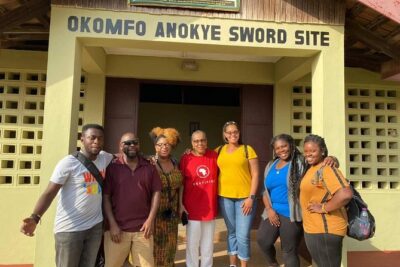

Traditional Naming Ceremony For African Americans In Kumasi
Read our review →
Full Day Tour with Traditional Naming Ceremony in Kumasi
Read our review →
Browse the lists this tour appears in