
Reviewed · KUMASI TOURS
Kumasi City Tour
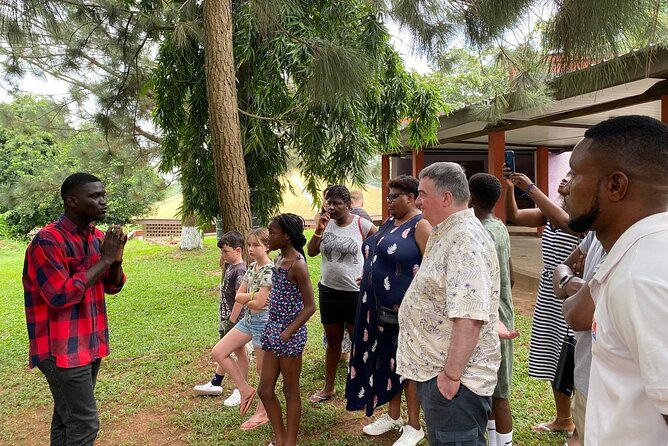
Kumasi’s story comes alive through the Asante royal museums, the famous unity sword, and the noisy lanes of Kejetia Market. I like that this is not just a drive past city sights. You get history, royal tradition, local crafts, and time to speak with people who still practice these arts.
I especially like the private format, since your guide can adjust the pace for children, families, or a group that wants more time at the market. I also like the price: $51.29 per person includes lunch and admission to the listed stops. The main consideration is timing. The tour is sold as roughly two days, but the published schedule gives only four stops on the first day and Kumasi Zoo on the second, so confirm exactly what is planned before booking.
Five things to know before you book
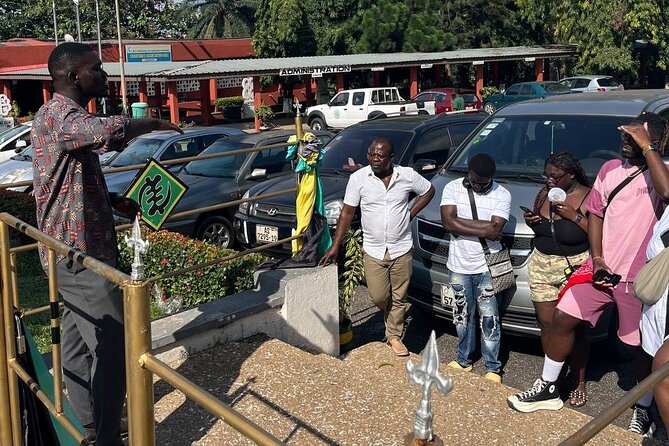
- The Asante royal story leads the tour: The Sword Site, Prempeh II Museum, and Manhyia Palace Museum each explain a different part of Kumasi’s past.
- Kejetia is the most energetic stop: You get a close look at one of West Africa’s largest open markets, but it may feel crowded and intense.
- Private guiding adds flexibility: Guides named Kwame and Maclean have handled family groups, children, and added experiences.
- Craft villages add a strong local focus: Bonwire is associated with kente weaving, while Ntonso is known for Adinkra cloth stamping.
- The price covers more than transport: Lunch and admission tickets are included, while shopping and personal purchases are not.
Kumasi begins with the Asante kingdom
I would choose this tour for a first look at Kumasi because it gives you a clear cultural thread. The Asante Kingdom is not treated as a footnote. Its symbols, rulers, ceremonies, and crafts shape nearly every stop.
The tour is also useful if you have limited time in the city. At $51.29 per person, you get a private activity, pickup is offered, lunch is included, and admission tickets are included for the scheduled attractions. That is a fair package for anyone who wants the main cultural sights without arranging each visit alone.
The two-day format needs a little care. The first day has four 45-minute stops, while the second lists Kumasi Zoo as its main attraction. The broader experience also includes Bonwire and Ntonso, so I would ask the provider how those craft villages fit into your dates and whether the second day is built around the zoo and additional stops.
A few more Kumasi days to weigh up
- Bonwire Namimg Ceremony and Kente Tourist Center
★ 5.0 · 40 reviews - Tour Kumasi City Like a Local
★ 4.5 · 34 reviews - Traditional naming ceremony For African Diasporas in Kumasi
★ 5.0 · 10 reviews
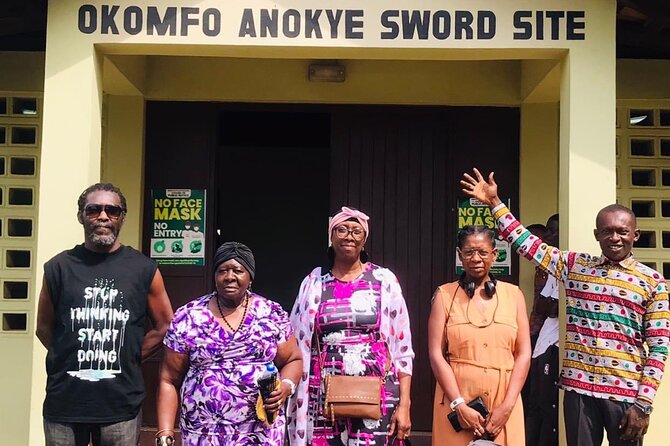
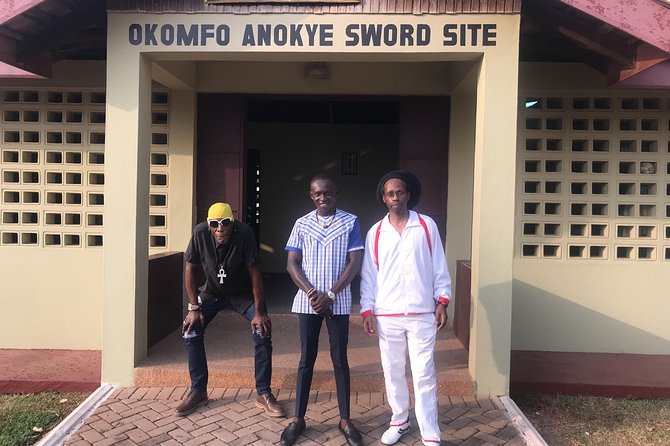
The Okomfo Anokye Sword Site in 45 minutes
The first stop introduces one of the most important legends in Asante history. Okomfo Anokye, a famous fetish priest, is said to have planted the unity sword to help secure unity in the Asante Kingdom.
This is a short visit, but it gives your guide a useful starting point. You are not simply looking at an old object. You are learning how spiritual authority and political unity connect in Asante tradition.
I would pay close attention to the explanation here, since the value of the stop rests heavily on interpretation. The site itself may not occupy a full morning, but it gives the rest of the tour a stronger frame. Afterward, the royal museums make more sense because you have already heard about the foundations of Asante unity.
Admission is included. Allow about 45 minutes, though your private format may give you some flexibility if your group has questions.
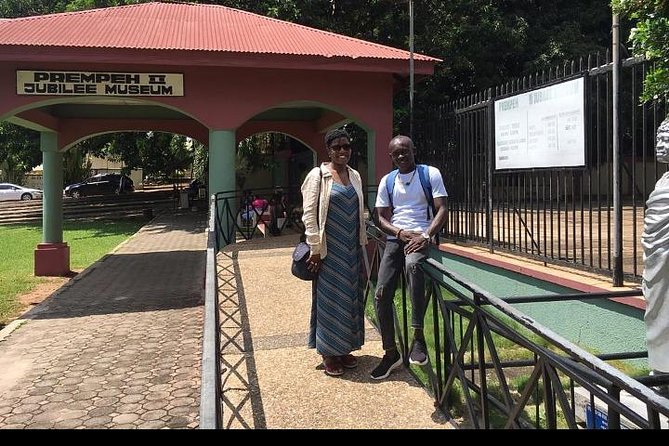
Prempeh II Museum and Asante traditions
The Prempeh II Museum focuses on the culture, traditions, and heritage of the Asante people. This is a good stop for learning about daily customs and the wider identity behind the royal sites.
I like the position of this museum in the route. After the Sword Site introduces unity, the museum can broaden the story beyond kings and political events. You get a better chance to understand the customs that give meaning to Asante life.
The visit is scheduled for about 45 minutes, with admission included. That is enough for a focused introduction, though not enough for a slow museum study. If you enjoy asking questions, use your guide well. The private setup means you do not have to follow a large group’s pace.
Families may find this stop easier than the market. One family group had a guide who kept children engaged and adapted the day to their needs. That makes a difference in a museum, where young children can lose interest quickly if the visit becomes a long lecture.
Manhyia Palace Museum and royal memory
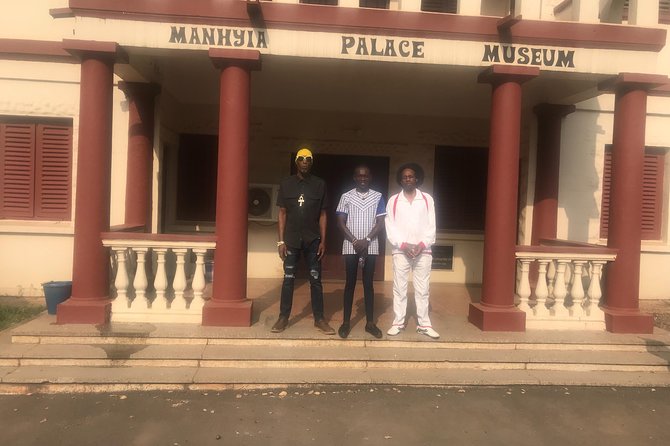
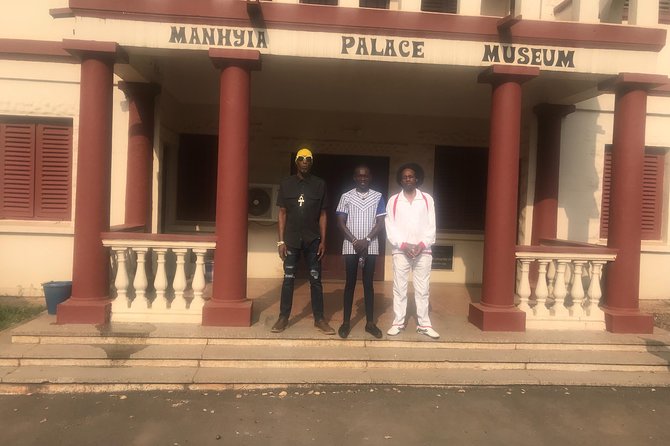
Manhyia Palace Museum brings the royal side of Kumasi into sharper view. You can see statues of past Asante kings and queens who inherited the Golden Stool, one of the central symbols of Asante authority.
This stop matters because the Golden Stool is not just a museum subject. It represents the Asante nation and its unity. The statues help put faces and personalities to the royal line, giving you a more human connection to the kingdom’s past.
You have about 45 minutes here, and admission is included. I would treat this as a guided history stop rather than a place to rush through for photographs. Ask your guide to explain the role of the kings and queens shown, and how royal succession connects to the Golden Stool.
The museum also helps balance the tour. Kejetia will show you present-day commerce and everyday movement. Manhyia Palace shows the royal institutions that shaped the city and region. Together, the two stops give you a much fuller picture than either could provide alone.
Same departure point, a completely different day out:
- Kumasi City Tour
★ 5.0 · 8 reviews - Lake Bosomtwe Boat Cruisely and Kumasi City Tours
★ 4.5 · 6 reviews - One day tour at Kumasi
★ 5.0 · 6 reviews - Traditional Naming Ceremony For African Americans In Kumasi
★ 5.0 · 5 reviews
Kejetia Market, Kumasi at full volume
Kejetia Market is the tour’s most immediate encounter with modern Kumasi. It is described as the largest open market in West Africa, and the experience is traditional, colorful, and busy.
I would not treat this as a quick shopping stop. The market gives you a look at how people buy, sell, move, and work in the city. You can interact with locals and see a side of Ghana that is easy to miss if you stay with formal museums and planned attractions.
The scheduled visit lasts about 45 minutes. That is enough for an introduction, but you may want to clarify how much time is available if you hope to shop. Personal shopping is not included in the tour price, so carry a separate budget for anything you choose to buy.
This is also the stop where comfort and patience matter most. Markets can be crowded and demanding, and a private guide is useful for helping you understand what you are seeing. Keep your group together, listen to local advice, and do not expect a quiet museum-style visit.
For me, Kejetia is one of the best reasons to take a guided city tour. You get context instead of simply walking through unfamiliar lanes. The market may be intense, but that is part of its value.
Kumasi Zoo on the second day
Kumasi Zoo has reopened and is listed for the second day, with a suggested visit of about 45 minutes and admission included.
The zoo may appeal most to families or anyone who wants a change of pace after the royal museums and market. It also gives children another activity during a two-day visit. Still, I would confirm the current plan with Root Tour Ghana before you book, since the available information does not describe the animals, facilities, or the full length of the second day.
That lack of detail is not necessarily a problem, but it does mean you should not assume the zoo fills an entire day. Ask if Bonwire, Ntonso, or another activity will be added around it. If your main interest is Asante culture and craft, the weaving and cloth villages may be more important to you than the zoo.
Bonwire kente and Ntonso Adinkra crafts
The wider tour experience includes Bonwire kente weaving village and Ntonso Adinkra cloth stamping village. These are among the most appealing stops for anyone who wants to see Ghanaian craft as a living practice rather than as a display behind glass.
Bonwire is linked with kente weaving, the bright patterned cloth associated with Ghana. At a weaving village, you can expect the focus to be on the making of the cloth and the traditions behind its patterns, though the supplied details do not specify the exact workshop format or visit length.
Ntonso is associated with Adinkra cloth stamping. The process gives you another view of Ghanaian design, with stamped symbols carrying cultural meaning. I would ask your guide to explain the symbols rather than treating the stop as a simple place to buy souvenirs.
These craft visits are especially useful after the museums. The royal sites explain history and authority. Bonwire and Ntonso show how culture continues through skilled work, design, and local knowledge.
Because the detailed day-by-day schedule does not place these villages at a specific time, confirm that they are included in your version of the tour. This is one of the most important questions to ask before paying, especially if crafts are your main reason for visiting Kumasi.
What the private format means for your day
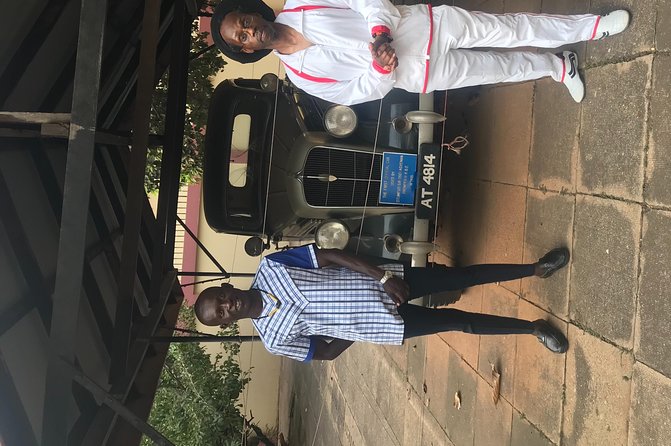
This is a private tour, so only your own group participates. That gives you more control than a fixed coach trip. You can ask questions without holding up strangers, and the guide can adjust the approach for adults, children, or a group with a special interest in culture.
The guide names connected with the experience include Kwame and Maclean, also spelled Mclean in one account. Kwame is described as patient and caring, while Maclean handled hotel pickup, family needs, and an extra day arranged directly with him. One group also booked a second day for a fetish priest shrine experience.
That extra flexibility is useful, but it should not be assumed as part of the $51.29 package. If you want a second day, a shrine visit, or more time outside the listed stops, ask Root Tour Ghana about the cost and plan in advance.
Pickup is offered, and the tour is near public transportation. The stated opening information lists Monday and Tuesday from 5:30 AM to 8:00 PM, though the format is not fully clear about whether those hours apply to the operator or meeting arrangements. Confirm your pickup time and location after booking.
Is $51.29 good value?
I consider the price reasonable for a private cultural tour, especially because lunch and admission tickets are included. You are paying not only for entry to several sites, but also for local guidance and transport planning across Kumasi.
The value becomes stronger if your group is large enough to share the per-person rate, or if you want a guide who can keep children involved. It is also useful for a first visit when you do not yet know how to connect the museums, market, palace, and craft areas.
The price does not include personal shopping. That matters at Kejetia, Bonwire, and Ntonso, where you may be tempted to buy cloth or other goods. Set aside extra money if you want souvenirs, and remember that shopping is separate from the tour cost.
I would compare the price against the exact schedule you receive. If both days include the cultural sights and craft villages, it is strong value. If day two is only a short zoo visit, you may want to ask what else is planned before deciding.
Who will enjoy this Kumasi tour most?
I would recommend it to first-time visitors who want a structured introduction to Kumasi without losing contact with local life. It suits families particularly well because the guide can keep children involved and adjust the pace.
It is also a good fit for anyone interested in Asante history, royal traditions, Ghanaian textiles, and markets. The mix is broad enough for a group with different interests.
You may want a different arrangement if you prefer long, unhurried museum visits or a tightly timed craft workshop. The stops are generally listed at 45 minutes, so the day favors variety over extended study.
The tour works best when you communicate clearly. Tell the provider if you want more time at Kejetia, priority for Bonwire and Ntonso, a child-friendly pace, or a second day with an added cultural experience.
Practical booking advice
Confirmation is received at booking. Since the experience is often booked about 10 days ahead, I would reserve early if your Kumasi dates are fixed.
Most people can participate, and service animals are allowed. The experience requires good weather. If poor weather causes cancellation, you can choose another date or receive a full refund.
You can cancel for a full refund up to 24 hours before the start time. Inside that 24-hour window, the payment is not refunded and changes are not accepted. The cut-off uses Kumasi local time.
Should you book it?
Book this tour if you want Kumasi’s main cultural sights explained in a logical order, with private guiding, lunch, included admissions, and the chance to add craft villages. The strongest parts are the Asante museums, the royal context, Kejetia Market, and the flexibility of guides such as Kwame or Maclean.
Before booking, confirm the exact second-day schedule and whether Bonwire and Ntonso are included on your dates. If the plan gives you a full second day rather than only a short zoo stop, $51.29 is a sound price for a personal introduction to Kumasi.
FAQ
How much does the Kumasi City Tour cost?
The tour costs $51.29 per person.
How long does the tour last?
The experience is described as lasting approximately two days.
Is pickup available?
Yes. Pickup is offered, and the experience is near public transportation.
Is lunch included?
Yes. Lunch is included in the tour price.
Are admission tickets included?
Yes. Admission is included for the listed stops, including the Okomfo Anokye Sword Site, Prempeh II Museum, Manhyia Palace Museum, Kejetia Market, and Kumasi Zoo.
Is the tour private?
Yes. Only your group participates in the private tour or activity.
Which places are visited?
The listed sights are the Okomfo Anokye Sword Site, Prempeh II Museum, Manhyia Palace Museum, Kejetia Market, and Kumasi Zoo. The wider experience also includes Bonwire kente weaving village and Ntonso Adinkra cloth stamping village.
Is personal shopping included?
No. Personal shopping is not included, so purchases at markets or craft villages cost extra.
What is the cancellation policy?
You can cancel at least 24 hours before the start time for a full refund. Cancellations or changes made less than 24 hours before the start time are not accepted for a refund. If poor weather causes cancellation, you will be offered another date or a full refund.
Just added around Kumasi
- Kumasi Culture and Heritage Tours★ 4.5 · 3 reviews
- Discover kumasi Tours★ 5.0 · 3 reviews
- Kumasi City Tour★ 4.5 · 3 reviews
- Kumasi: City Tour★ 5.0 · 3 reviews
- Full Day Tour with Traditional Naming Ceremony in Kumasi★ 5.0 · 4 reviews
- Traditional Naming Ceremony For African Americans In Kumasi★ 5.0 · 5 reviews
- Lake Bosomtwe Boat Cruisely and Kumasi City Tours★ 4.5 · 6 reviews
- One day tour at Kumasi★ 5.0 · 6 reviews
Kumasi Tours, compared.

Bonwire Namimg Ceremony and Kente Tourist Center
Read our review →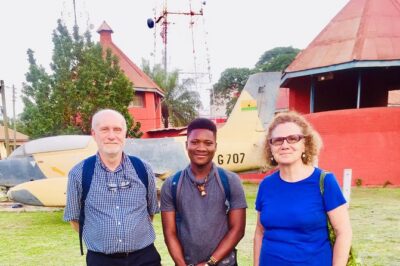
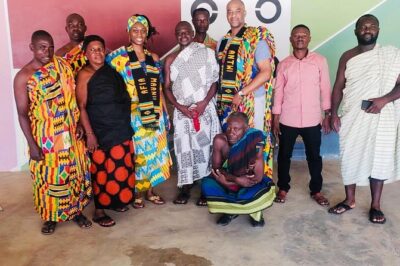
Traditional naming ceremony For African Diasporas in Kumasi
Read our review →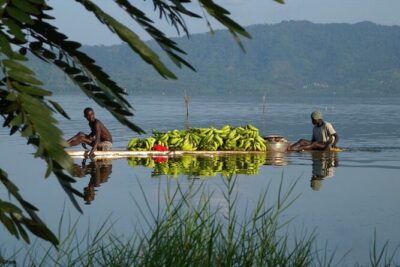
Lake Bosomtwe Boat Cruisely and Kumasi City Tours
Read our review →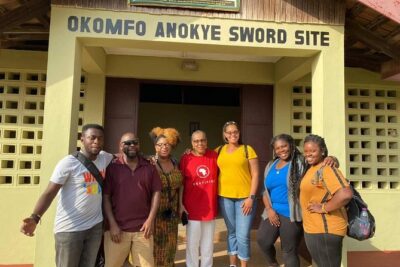

Traditional Naming Ceremony For African Americans In Kumasi
Read our review →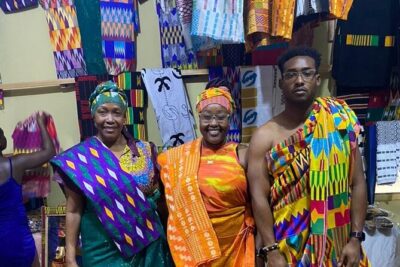
Full Day Tour with Traditional Naming Ceremony in Kumasi
Read our review →
Browse the lists this tour appears in