
Reviewed · KUMASI TOURS
Discover kumasi Tours
Kumasi’s story is best understood through its living traditions, and this full-day tour puts four important pieces together: royal power at Manhyia Palace, spiritual unity at the Okomfo Anokye Sword Site, and the craft of kente and Adinkra cloth. You get a useful introduction to the Ashanti Kingdom without spending the day moving between unrelated attractions.
I like the private transportation, which keeps the long day simple, and I like that entrance fees are already covered. Guide service is another strong point. Emmanuella has been praised for her kindness and care, while Sam has been noted for giving clear explanations about Ashanti culture and history.
The main consideration is the pace. Four stops over 8 to 9 hours leave enough time to see each place, but not unlimited time for browsing, shopping, or lingering over lunch. The $129 price is reasonable for a private tour with transport and admissions, though lunch costs extra, usually $5 to $8.
Four highlights that define the day

- Manhyia Palace Museum: Learn about the Asante kingdom and its royal household at the former palace of the Asante king.
- The 350-year-old sword: See the sword associated with Okomfo Anokye, planted as a symbol of unity rather than a challenge.
- Bonwire kente weaving: Watch the cloth-making process in the village linked with the origin of kente.
- Ntonso Adinkra symbols: Explore traditional symbols and the meanings carried by Adinkra designs.
- Private touring: Your group travels together, with private transportation and no unrelated participants.
- Helpful named guides: Emmanuella and Sam have both received especially warm praise for their care and explanations.
Why Kumasi is the right place for an Ashanti culture day
Kumasi gives you a different view of Ghana from the coastal forts and beaches. It is the heart of Ashanti culture, and this tour focuses on objects, places, and skills that still connect people to that identity.
The route has a sensible shape. You begin with royalty and political history, move to a sacred symbol of unity, then spend longer with textiles and traditional design. That progression matters. You are not simply collecting four photo stops. You are seeing how leadership, belief, cloth, and symbols fit together.
You should allow most of a day for the experience. The advertised length is about 8 to 9 hours, so it is best treated as a major Kumasi outing rather than a quick add-on between other plans. Pickup is offered, and the use of private transportation is especially useful because the sites are separate and the day includes several changes of location.
The tour is private, so only your own group participates. That gives you more freedom to ask questions and move at a comfortable group pace. It also makes the experience a better fit for families, couples, and small groups who prefer conversation over a large coach setting.
A few more Kumasi days to weigh up
- Bonwire Namimg Ceremony and Kente Tourist Center
★ 5.0 · 40 reviews - Tour Kumasi City Like a Local
★ 4.5 · 34 reviews - Traditional naming ceremony For African Diasporas in Kumasi
★ 5.0 · 10 reviews
Manhyia Palace Museum and the Asante royal story
The first stop is Manhyia Palace Museum, with about an hour set aside and admission included. Manhyia Palace is associated with the Asante kingdom and served as a residence for the Asante king. Today, the palace museum gives you a place to begin understanding the royal structure and identity of the kingdom.
This is an important opening stop because it supplies the political setting for the rest of the day. When you later hear about Okomfo Anokye, kente, or Adinkra symbols, you will have a better sense of the kingdom and the people connected to those traditions.
Do not expect an enormous museum visit. One hour is enough for an introduction, but it is not a long, slow museum study. Your guide’s explanation will matter here. A good guide can help connect the objects and royal setting to the wider story instead of leaving you to look at displays without context.
The tour’s strongest guide comments point to this kind of personal explanation. Sam has been praised for giving clear answers about Ashanti culture and history, and that is exactly the sort of help you want at Manhyia Palace. Emmanuella has also been praised for being attentive and checking that people in her group were comfortable and enjoying the day.
The Okomfo Anokye Sword Site and the meaning of unity
The second stop lasts about 40 minutes. At the Okomfo Anokye Sword Site, you see the place associated with the late priest Okomfo Anokye and a sword said to have been planted more than 350 years ago.
The important point is the meaning attached to the sword. It was not planted as a test for somebody to remove. It represents togetherness within the Asante kingdom. That detail turns what might look like a simple old object into a lesson about shared identity and political unity.
Forty minutes is a short visit, but it should work well for a focused explanation and time at the site. You will want to listen closely because the value here comes mainly from the story and symbolism. This is not a stop where you need a long free period.
I like the contrast between the palace and the sword site. The palace introduces royal authority, while the sword offers a symbolic explanation of unity. Together, they give you a clearer picture of how the Asante story is told through both places and objects.
Two hours with kente weavers in Bonwire
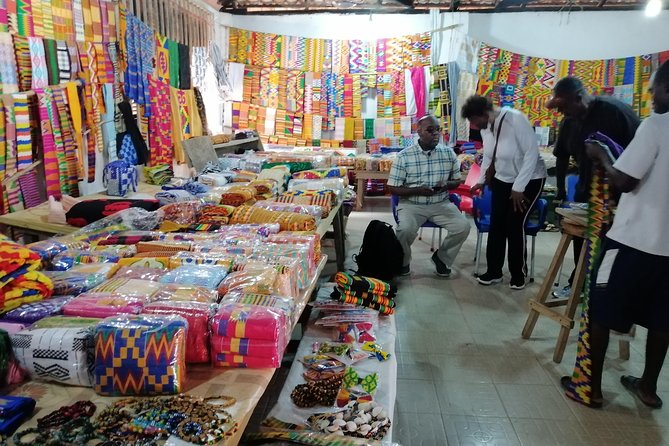
Bonwire is given the longest stop, about two hours, and that is a smart choice. This is the village connected with the origin of kente, where you can see how people weave the cloth and learn about the work behind it.
Kente is often treated as a colorful souvenir, but watching the weaving process gives you a better sense of why the cloth matters. The value is in the skill, the time, and the patterns, not only in the finished fabric. You can ask questions and take in the process rather than rushing through a display of completed pieces.
The two-hour period also gives this stop a different feel from the museum visits. At Manhyia Palace and the sword site, you mainly receive historical and cultural explanation. In Bonwire, you see a traditional craft in practice. That makes the day more varied and more useful for anyone who wants contact with present-day cultural work, not only old sites.
You should also keep your expectations practical. The supplied details promise a visit to the weaving center and an explanation of how people weave, but they do not specify the exact demonstrations, products, or shopping arrangements. If buying cloth matters to you, ask your guide about the available pieces and prices rather than assuming every visit works the same way.
Bonwire is likely to be one of the most memorable parts of the day for anyone interested in textiles, design, fashion, or handmade work. It is also a good place to slow down after the first two history-focused stops.
Same departure point, a completely different day out:
- Kumasi City Tour
★ 5.0 · 8 reviews - Kumasi City Tour
★ 4.5 · 7 reviews - Lake Bosomtwe Boat Cruisely and Kumasi City Tours
★ 4.5 · 6 reviews - One day tour at Kumasi
★ 5.0 · 6 reviews
Ntonso and the language of Adinkra symbols
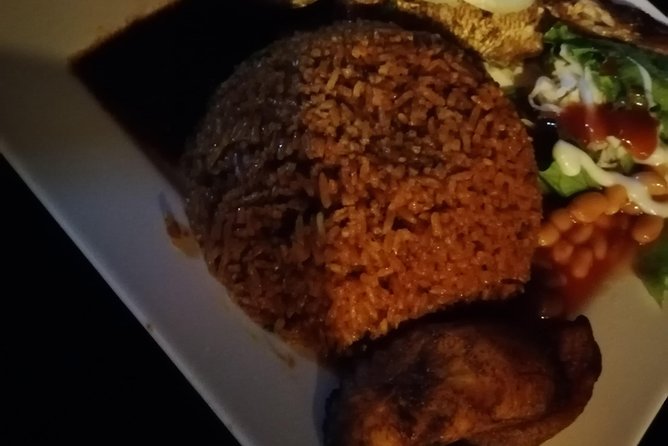
The final scheduled stop is Ntonso, with about an hour at the Adinkra craftsmen’s village. Here, the focus is on traditional symbols and their meanings.
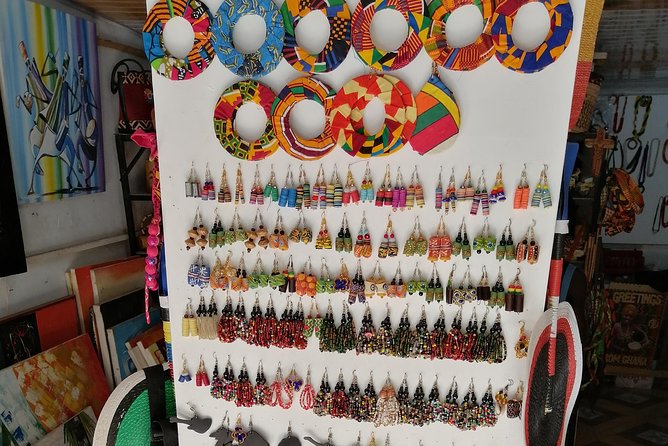
Adinkra designs carry messages, so this visit gives you another way to read Ghanaian culture. Instead of seeing a pattern only as decoration, you can learn that symbols may express ideas, values, or parts of a larger cultural tradition. The exact symbols explained to you can depend on the craftsmen and guide, but the purpose of the stop is clear: to connect visual design with meaning.
One hour is enough for a basic introduction, though you may want more time if you are interested in crafts or shopping. As with Bonwire, the supplied details do not promise a specific workshop format or particular items for sale. Think of Ntonso first as a cultural explanation and craft visit, with shopping as a possible extra rather than the main reason to book.
The pairing of Bonwire and Ntonso works well. Kente shows you the making of a famous cloth, while Ntonso introduces the symbols used in Adinkra traditions. You finish the day with a better understanding of how Ghanaian textiles can communicate identity and ideas.
What the $129 price really covers
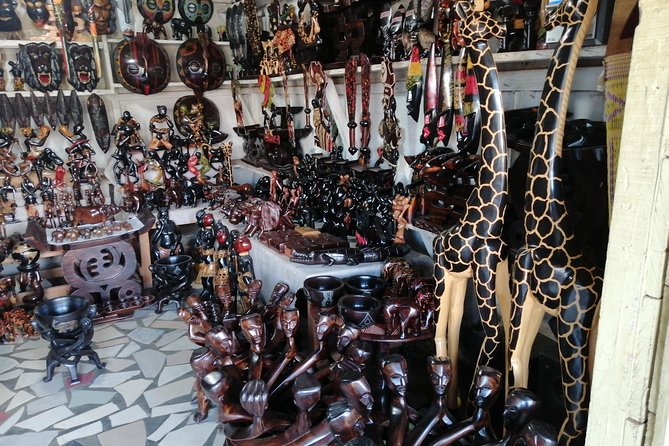
At $129 per person, this is not a low-cost walk around town. But the price includes private transportation, all listed fees and taxes, and entrance charges to the tourist sites. That changes the value calculation.
You are paying for a full day, not a single museum ticket. Transport between four locations is handled for you, and your group does not share the activity with unrelated participants. If you are traveling with several people, the private format may feel more worthwhile because you receive a dedicated experience rather than simply joining a large group.
Lunch is not included. The expected cost is usually $5 to $8, so budget for that separately. The tour information does not identify a particular restaurant or menu, so you should ask your guide about lunch timing and choices on the day.
The price makes the most sense for you if convenience, a private vehicle, and cultural explanation matter more than finding the cheapest possible way to see Kumasi. It is less compelling if you want a very slow visit at each site or plan to arrange individual admissions and transport yourself.
Guides can shape the whole experience
The guide is central to this tour because several stops depend on explanation. A palace, a sword, a textile, and a symbol can all seem modest if you do not know what they represent. The right guide provides the connections.
Emmanuella has been singled out for her warmth and care. Her habit of checking whether people were comfortable and enjoying the day suggests a personal style that may suit families or anyone who prefers a gentle, attentive guide.
Sam has been praised for his command of Ashanti culture and history and for answering questions clearly. That is especially useful at Manhyia Palace and the sword site, where context is more important than the size of the attraction.
You cannot guarantee which guide will lead your tour unless the provider confirms it. Still, these names give you a useful idea of the service standard to look for. If you have a particular interest in royal history, textiles, or symbols, tell your guide at the start so the explanations can match your interests.
Who will get the most from this Kumasi tour
I would recommend this outing to first-time visitors to Kumasi who want a broad introduction in one day. It suits you if you like history but also want to see working craft traditions rather than spending the entire day in museums.
Families may appreciate the mix of short and longer stops. The palace and sword site are fairly focused, while Bonwire provides a longer change of pace. The private format also means your group can communicate directly with the guide.
It is a good choice for anyone interested in Ghanaian textiles, traditional symbols, or the cultural story of the Ashanti kingdom. Photographers and shoppers may enjoy Bonwire and Ntonso, though the information provided does not guarantee specific shopping opportunities or photography rules.
The tour may be less suitable if you dislike a full day of scheduled sightseeing. With four stops packed into 8 to 9 hours, you will not have unlimited free time. It may also feel expensive for solo visitors comparing it with public transportation and separate site visits, although the included transport and admissions add real convenience.
Most travelers can participate, and service animals are allowed. The experience is near public transportation, but it also offers pickup and private transport, so you do not need to build the day around local connections.
Practical details before you reserve
Confirmation is provided when you book. The activity requires good weather, and if poor weather causes cancellation, you can choose another date or receive a full refund.
You can cancel for a full refund up to 24 hours before the start time. Changes made less than 24 hours before the start are not accepted, and a cancellation inside that period is not refunded. Keep the local time in mind when making changes.
Plan to carry money for lunch, since the $5 to $8 meal cost is separate. You may also want extra time and funds for crafts, but the tour details do not state that purchases are included.
Because the day is private, tell the provider about your group’s needs when booking. The supplied information confirms that most people can participate, but it does not give a detailed accessibility plan for each site.
Should you book Discover Kumasi Tours?
Book this tour if you want a well-rounded introduction to Ashanti culture with the practical ease of private transport. The combination of Manhyia Palace, the Okomfo Anokye Sword Site, Bonwire, and Ntonso gives you more range than a single museum visit, and the included admissions make the $129 easier to justify.
I would especially choose it if your time in Kumasi is limited, you want a guide to explain the cultural meaning behind what you see, or you are traveling with family or a small private group. Emmanuella’s attentive approach and Sam’s clear cultural explanations are strong signs of the kind of guiding you may receive.
Think twice if you want a relaxed craft workshop, a long lunch, or extensive unscheduled shopping. This is a full cultural survey of Kumasi, not a slow artisan retreat. For most first-time visitors who want the major Ashanti themes in one organized day, it is a practical and worthwhile choice.
FAQ
How long does the Kumasi tour last?
The experience lasts approximately 8 to 9 hours.
What sites are included?
The tour visits Manhyia Palace Museum, the Okomfo Anokye Sword Site, Bonwire Kente Weaving Centre, and Ntonso Adinkra craftsmen.
Is transportation included?
Yes. Private transportation is included, and pickup is offered.
Is lunch included in the price?
No. Lunch is separate and normally costs about $5 to $8.
Is this a private tour?
Yes. Only your own group participates in the activity.
What happens if bad weather cancels the tour?
If poor weather causes cancellation, you can choose a different date or receive a full refund. You can also cancel up to 24 hours before the experience for a full refund.
Just added around Kumasi
- Kumasi Culture and Heritage Tours★ 4.5 · 3 reviews
- Kumasi City Tour★ 4.5 · 3 reviews
- Kumasi: City Tour★ 5.0 · 3 reviews
- Full Day Tour with Traditional Naming Ceremony in Kumasi★ 5.0 · 4 reviews
- Traditional Naming Ceremony For African Americans In Kumasi★ 5.0 · 5 reviews
- Lake Bosomtwe Boat Cruisely and Kumasi City Tours★ 4.5 · 6 reviews
- One day tour at Kumasi★ 5.0 · 6 reviews
- Kumasi City Tour★ 4.5 · 7 reviews
Kumasi Tours, compared.
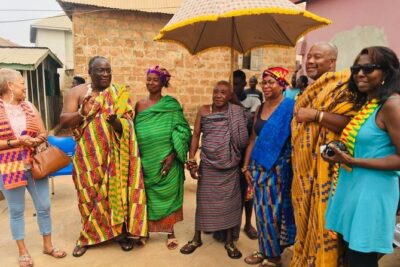
Bonwire Namimg Ceremony and Kente Tourist Center
Read our review →
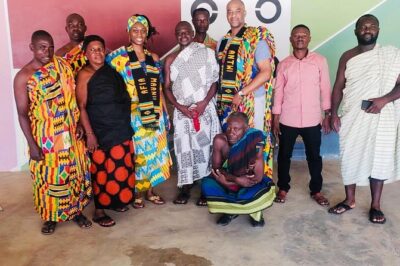
Traditional naming ceremony For African Diasporas in Kumasi
Read our review →
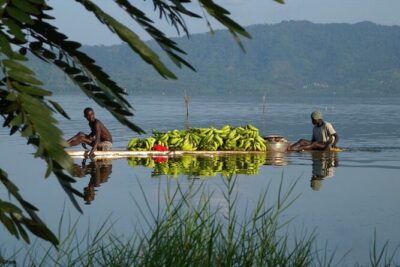
Lake Bosomtwe Boat Cruisely and Kumasi City Tours
Read our review →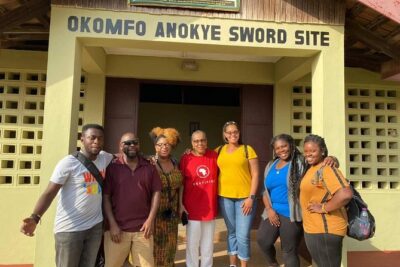
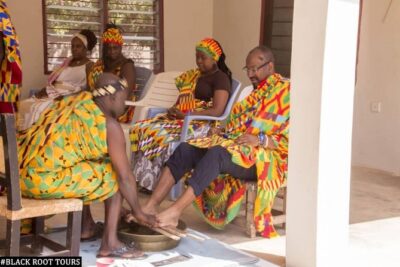
Traditional Naming Ceremony For African Americans In Kumasi
Read our review →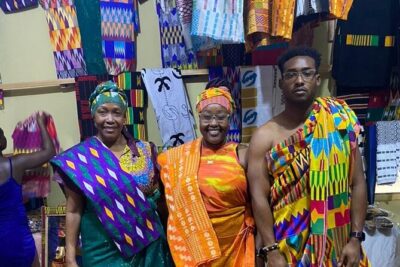
Full Day Tour with Traditional Naming Ceremony in Kumasi
Read our review →Browse the lists this tour appears in