
Reviewed · ACCRA TOURS
Local Ghanaian Cooking Class in Accra to help support wellness community center
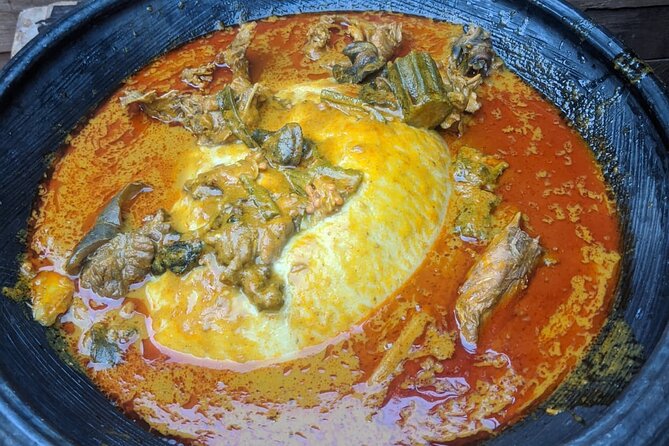
Accra’s food culture comes into focus here through a market visit, pounding starch by hand, and a shared meal cooked with local hosts. I like the community benefit: your booking helps fund exercise programs, nutrition lessons, health screenings, and children’s after-school activities. I also like the chance to work with hosts such as Gifty, Auntie Irene, and Ms. Pat, depending on the day.
The main caution is that the hands-on level and length can vary. The experience is advertised at about six hours, yet one guest had a class lasting roughly two hours, while another expected more ingredient preparation and received less. Confirm the day’s plan if you want a long, active cooking session.
Key points to know before booking
- Market shopping comes first: Ride by car from the meeting point to buy the ingredients for your selected dishes.
- Classic Ghanaian staples are on the menu: You may learn fufu, banku, jiji, rice balls, jollof rice, fried fish, chicken, and several soups or stews.
- The meal is part of the lesson: Lunch is included, so you eat the food prepared during the class.
- Local spirits add a cultural touch: Emergency, Hatso, and Uwuba are made with akpeteshie and local bark or leaves.
- Your money supports a wellness center: The center offers health, fitness, nutrition, arts, dance, and children’s programs.
- Ask about the format and menu: Dietary requests can be accommodated if made in advance, but the amount of preparation you do may differ.
Starting at Global Wellness Mission in Accra
Your day begins at Global Wellness Mission, CM7, Third Oloti Street, Accra. The class runs Monday through Saturday, with the listed operating window from 8 a.m. to noon. Since the full activity may last longer than the stated morning window, check the exact start and end details before setting up another appointment.
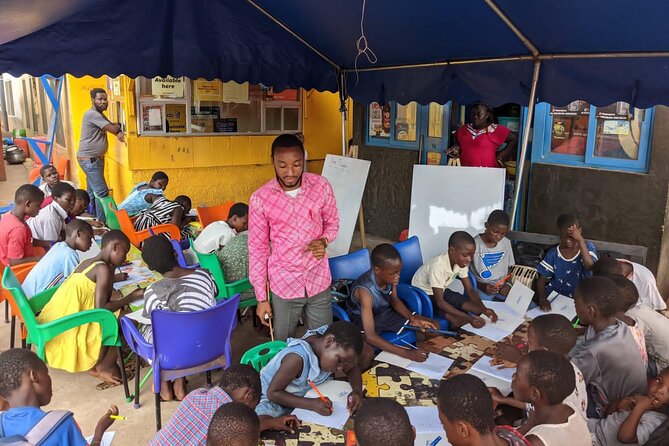
The meeting point is more than a place to gather. It connects the cooking class to the wellness center that receives support from bookings. Its work includes physical activity programs, nutrition education, health screenings, art and dance programs, and after-school lectures for children.
That link gives the experience a useful purpose. You are not simply paying for a meal and a cooking lesson. Part of the value comes from meeting a local family or host while helping maintain programs that reach beyond tourism.
The provider is listed as Pat and Maggie, but the person leading your session may be another member of the team. Names connected with past classes include Gifty, Auntie Irene, Ms. Pat, and Linda. Expect a personal, family-style setup rather than a formal culinary school with a fixed chef-led script.
A few more Accra days to weigh up
- Home Cooking Class by Auntie K
★ 5.0 · 62 reviews - Authentic Ghanaian Cooking Class in Accra
★ 4.5 · 11 reviews - Authentic Ghanaian Cooking Lessons and Take Out Services.
★ 5.0 · 9 reviews
Riding to a local market for the ingredients
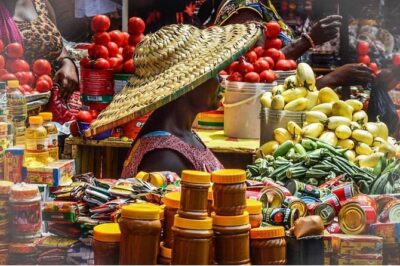
After meeting, you travel by car to a local market. This is one of the best parts of the plan because it gives you a look at the ingredients before they become a finished plate. Instead of receiving premeasured items in a classroom, you see the shopping side of Ghanaian cooking.
The market stop also helps explain the meal. Ghanaian dishes often depend on the right starch, fish, meat, vegetables, spices, and soup ingredients, so buying them together gives the class a practical rhythm. You can connect what you see in the stalls with what later goes into the pot.
The available information does not specify the market’s name, the exact route, or how long you stay there. I would treat this as a guided shopping visit rather than a separate market tour. The supplied car ride is useful, especially if you are unfamiliar with Accra, but this is not promoted as a walking food tour.
Group size can reach 20 people. That is a fairly large maximum for a cooking lesson, though the activity is described as small-group focused. If you want plenty of time at the mortar, stove, or mixing bowl, ask how many people are booked for your date.
Choosing Ghanaian dishes at the cooking table
Back at the cooking location, you learn to prepare Ghanaian food from scratch, at least in part. The menu gives you a broad choice of starches and soups rather than one rigid recipe.
Possible starches include:
- Fufu
- Banku
- Jiji
- Rice balls
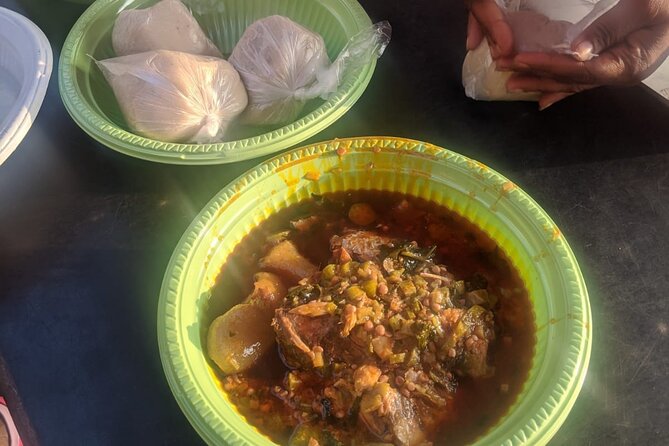
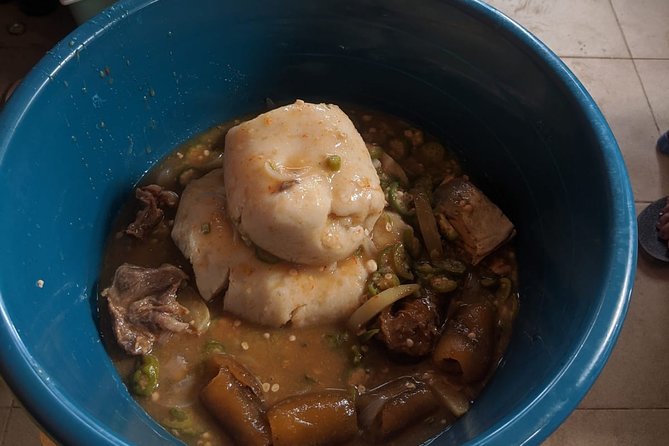
Possible soups and stews include okra soup, groundnut soup, palm-nut soup, light soup, and plain soup. The supplied information also names jollof rice, fried fish, stew, and chicken as dishes prepared during one class.
This range matters because the food is not just a tasting plate. You get a chance to see how several Ghanaian staples differ in texture and use. Fufu and banku, for example, are not interchangeable in the kitchen, and the pounding or stirring gives you a better sense of the work behind the finished dish.
Still, set your expectations carefully. One class involved ingredients that had already been prepared, leaving less chopping and cooking for the participant than expected. Another person had an especially positive session making fufu with soup, while someone else found the level of participation too limited.
That difference may come from the chosen recipe, the host, the number of people, or the pace of the day. If you want to do every step, ask in advance which ingredients will be prepared before you arrive and which tasks you will handle yourself.
Pounding fufu and working with traditional staples
The most physical part of the class may be preparing fufu. You learn how to pound it, rather than simply receiving a ready-made portion. That task connects the food to household cooking traditions in a way a demonstration cannot.
Banku, jiji, and rice balls offer other ways to work with Ghanaian starches. The class can show you how these foods are formed and paired with soups or stews. The exact dish depends on what you choose and what the host can prepare that day.
I like this part because it turns lunch into a lesson in texture. Ghanaian food often depends as much on consistency as on seasoning, and pounding, stirring, or shaping helps you understand that balance.
Do not assume every listed dish appears in one session. The menu is flexible, and the supplied descriptions present several choices. Tell the host what interests you most before cooking begins.
Same departure point, a completely different day out:
- The Cape Coast Day Tour
★ 5.0 · 525 reviews - Experience the Beauty, History and the Culture Of Accra in a Day
★ 5.0 · 323 reviews - The Cape Coast Tour
★ 5.0 · 177 reviews - From Accra: Cape Coast, Elmina Castle & Kakum Park Day Tour
★ 4.6 · 144 reviews
Tasting Emergency, Hatso, and Uwuba
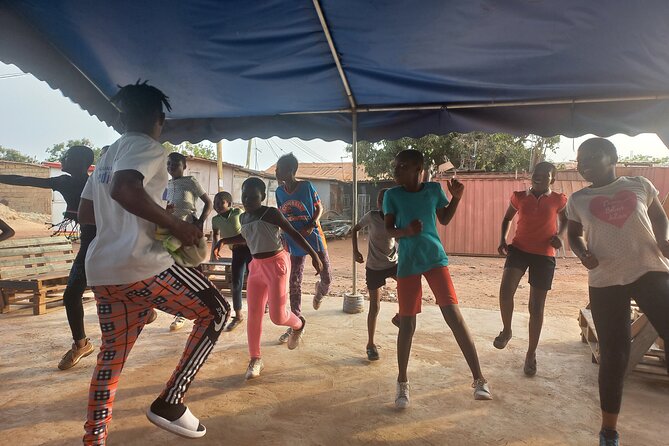
Before or during the cooking, you sip local spirits. Emergency, Hatso, and Uwuba are made from akpeteshie and soaked with local bark or tree leaves. This is a distinctly local detail, and it adds a cultural element that you will not get from a standard restaurant meal.
Alcoholic beverages are included in the price. Soda and beer are not, so budget separately if you want either of those drinks. The experience does not say how much spirit is served, so approach the tasting as a small cultural sample rather than a full bar service.
If you do not drink alcohol, ask about the arrangement before booking. The provided details confirm that local spirits are part of the class, but they do not state whether a nonalcoholic substitute is available.
Sitting down to eat the food you made
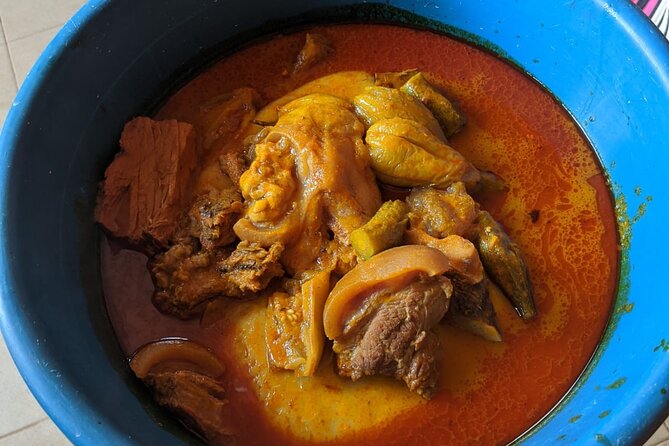
Lunch is included, and the meal gives the day a natural finish. You eat the dishes prepared during the session and have time for conversation with the host and other participants.
The food has earned especially strong praise, with jollof rice, banku, fried fish, chicken, fufu, and soup all appearing in the class descriptions. One participant singled out the jollof rice as a favorite, while others appreciated leaving with full stomachs after a warm, social meal.
The tone here is informal. You may cook with a host’s family, share jokes, and talk while the food comes together. Ms. Pat and her family have been described as welcoming, and Gifty is noted for making sure the participant understood the steps and received the requested dishes.
That family setting is a major part of the value, but it also means the experience may not feel polished or uniform. If you want exact measurements, printed recipes, or a professional kitchen setup, this may feel loose. If you want conversation and a personal connection, the relaxed format is more likely to suit you.
What the $45 price really covers
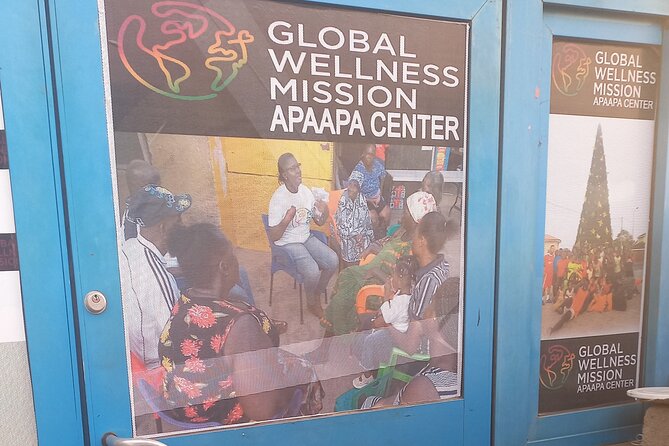
At $45 per person, this is reasonably priced for a half-day cultural activity that includes transport to the market, ingredients, cooking instruction, lunch, and local spirits. The community contribution adds another layer of value, since bookings help support services at the wellness center.
The price makes the most sense if you care about the full chain of the experience: meeting local hosts, shopping for ingredients, preparing food, eating together, and supporting community programs. It is less compelling if you are looking only for a long, technical cooking lesson.
The time question matters. The advertised duration is about six hours, but one account describes a session closer to two hours. That is a large difference. I would ask for the expected duration, market time, number of participants, and dishes before paying, especially if you are planning the class around airport transfers or another Accra activity.
The tour is often booked well ahead, with an average booking lead time of 36 days. That suggests you should reserve early for a particular date, even though the maximum group size is 20.
Who will get the most from this Accra class
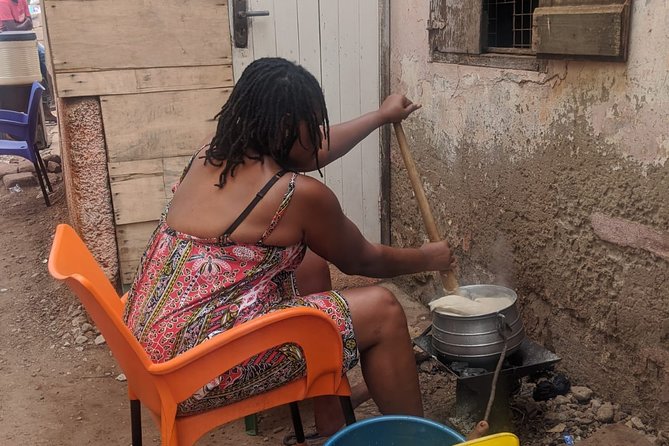
This experience suits you if you want food to open a door into local life. It works well for couples, small groups, and curious eaters who value conversation as much as technique.
It is also a good fit if you want to support a local project during your time in Ghana. The wellness center’s programs give the booking a clear community purpose rather than leaving you with only a souvenir meal.
You should consider it if you want to:
- Learn the basics of Ghanaian starches and soups
- Eat a lunch you helped prepare
- Meet local hosts in a home-style setting
- Visit a local market with transportation provided
- Request a particular dish or dietary adjustment
- Add local spirits to the cultural experience
You may want a different class if you need a guaranteed six-hour schedule, detailed recipe instruction, or full control over every preparation step. The maximum group size of 20 also means the experience may feel less personal on a busy date.
Dietary requests can be accommodated on request. Make that request before the activity, and be specific about foods you cannot eat. The listing does not spell out which substitutions are possible, so do not wait until the cooking begins.
Practical details that affect your day
Confirmation is provided when you book, and the activity ends back at the meeting point. The start point is near public transportation, and service animals are allowed.
Free cancellation is available if you cancel at least 24 hours before the local start time. Cancellations or changes made inside that window are not accepted for a refund.
The activity uses a mobile ticket, which keeps the arrival process simple. Bring a phone with the booking available, and allow enough time to reach Third Oloti Street.
The exact hosting arrangement can vary. Pat and Maggie are the named providers, while Gifty, Auntie Irene, Ms. Pat, and Linda are names associated with the people who may help lead or host a session. A quick message before arrival can clear up who will meet you and what food you will prepare.
Should you book this Ghanaian cooking class?
I would book this class if your priority is a personal Accra experience with food, conversation, and a direct community benefit. The strongest features are the market visit, the chance to work with Ghanaian staples, the shared lunch, and the support for a wellness center.
I would not book it without asking about the schedule if you need a full six hours or want every ingredient prepared in front of you. The class can be warm, tasty, and memorable, but its hands-on format may depend on the host and the day.
For the best fit, request your preferred dish, state any dietary needs, ask how many people are booked, and confirm the actual length. If those details suit you, $45 buys more than lunch. It buys a useful connection to Ghanaian food and a small contribution to local wellness work.
FAQ
Where does the cooking class begin?
It begins at Global Wellness Mission, CM7, Third Oloti Street, Accra, Ghana.
Where does the activity end?
The activity ends back at the meeting point.
How long does the cooking class last?
The advertised duration is approximately six hours, but one class was reported to last about two hours. Confirm the expected timing before booking.
What food can I learn to prepare?
Possible dishes include fufu, banku, jiji, rice balls, okra soup, groundnut soup, palm-nut soup, light soup, plain soup, jollof rice, fried fish, stew, and chicken.
Is lunch included?
Yes. Lunch made during the cooking experience is included.
Are drinks included?
Local alcoholic spirits are included. Soda, beer, and other soft drinks are not included.
What are the local spirits?
Emergency, Hatso, and Uwuba are made from akpeteshie and soaked with local bark or tree leaves.
Can dietary requests be accommodated?
Yes. Dietary requests can be accommodated when made upon request.
How many people can join the activity?
The maximum group size is 20 participants.
What is the cancellation policy?
You can cancel at least 24 hours before the local start time for a full refund. Cancellations or changes made less than 24 hours before the start are not refunded or accepted.
Just added around Accra
- Accra: Tafi Kente Village, Monkey Sanctuary &Wli Waterfalls★ 4.5 · 4 reviews
- 2 Days (1 night) Elephants Safari at Mole Park with Round – trip flights★ 5.0 · 4 reviews
- Full-Day Wli water Falls and Monkey Sanctuary Private Tour★ 5.0 · 4 reviews
- 9 Day Ghana Wildlife and Culture Tour★ 5.0 · 5 reviews
- A Taste of West Africa – Ghana Togo & Benin★ 5.0 · 5 reviews
- Quad Biking and Waterfalls Adventure★ 5.0 · 5 reviews
- Accra, Ghana Guided Local Market Tour★ 5.0 · 6 reviews
- Half-day Accra Safari Tour★ 4.5 · 6 reviews
Accra Tours, compared.


Experience the Beauty, History and the Culture Of Accra in a Day
Read our review →
Cape Coast, Elmina Castle & Kakum Park Day Tour
Read our review →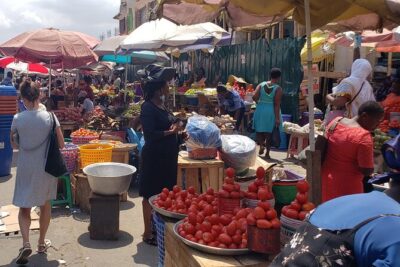


Boti Falls, Umbrella Rock, Aburi Gardens & Cocoa Farm Tour
Read our review →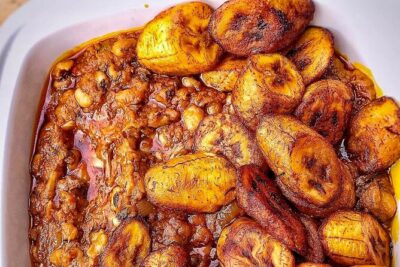
Browse the lists this tour appears in