
Reviewed · ACCRA TOURS
Authentic Ghanaian Cooking Lessons and Take Out Services.
The best part of this Accra cooking class is that you do not simply watch someone cook. You prepare Ghanaian dishes from scratch, learning the small steps that make the food work in an ordinary home kitchen. Cecilia, also known as Ceccy or Cece, guides you through the process with patience, stories, music, and plenty of room for questions.
I like the choice of dishes and the practical advice about ingredient substitutes. I also like that you eat what you make and take two packed portions away, so the lesson continues after you leave. The main thing to consider is time: four hours can pass slowly if you want a quick meal, especially when the cooking is done at a relaxed pace.
Key points at a glance
- Cook a full Ghanaian meal from scratch: You take part in preparation from the first step through the finished plate.
- Choose two complete meals: Your package includes two meals with either a side dish or dessert.
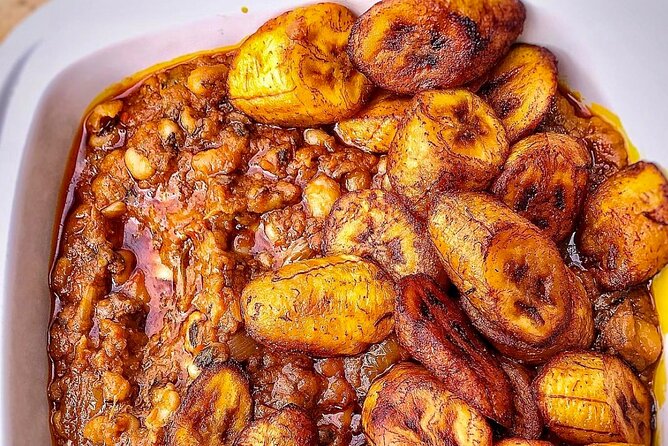
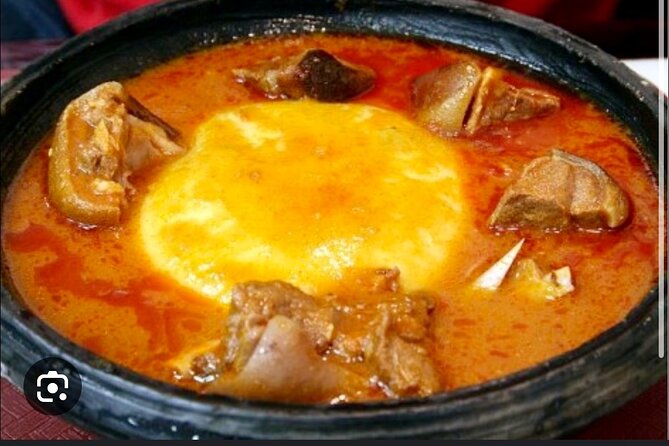
- Try well-known local dishes: Past menus have included jollof rice, chicken groundnut soup, fried chicken, plantain, and vegetables.
- Take food home: Lunch is included, along with two packaged leftovers.
- Ask about Ghana beyond the kitchen: Cecilia shares the background of each dish and answers wider questions about Ghanaian culture.
- Keep practicing later: You can book kitchen time for further practice or order extra portions for friends and orphanages.
A four-hour kitchen lesson in Accra
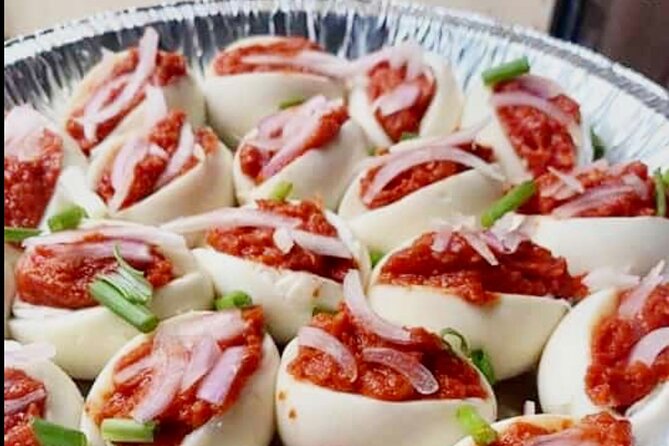
This is a small, hands-on cooking session at Diabase Street in Accra. The group can include up to 10 people, which gives the class a more personal feel than a large demonstration. You are near public transportation, but private transportation is not included, so you need to arrange your own way to the meeting point.
The exact schedule is flexible. You can choose a time that suits you, then spend roughly four hours working through the meal. That flexibility helps if you are fitting the class around other plans in Accra, though I would avoid booking anything immediately afterward.
The cooking follows a useful start-to-finish rhythm. You choose the meal package, learn about the ingredients, help prepare the food, cook each dish, and sit down to eat. You are not handed a finished plate after a short talk. The point is to understand how the meal comes together so you can repeat it at home.
That practical focus makes this more useful than a cooking demonstration. You can ask why an ingredient is used, what to do if you cannot find it back home, and how to adjust the recipe. Cecilia also shares substitute ingredients for places where a particular Ghanaian product may be hard to buy.
A few more Accra days to weigh up
- Home Cooking Class by Auntie K
★ 5.0 · 62 reviews - Local Ghanaian Cooking Class in Accra to help support wellness community center
★ 4.5 · 22 reviews - Authentic Ghanaian Cooking Class in Accra
★ 4.5 · 11 reviews
Choosing two Ghanaian meals
Your package includes two complete meals with either a side dish or dessert. The information provided does not list one fixed menu, so you should confirm the available choices when booking. That is a plus for repeat visitors and for people with clear food preferences, but you should not arrive expecting one guaranteed set of dishes unless it has been agreed beforehand.
The menu examples give you a good sense of the food you may encounter. One session included jollof rice, chicken groundnut soup, fried chicken, plantain, and vegetables. Another class taught four Ghanaian dishes, showing that the lesson can cover more than one cooking style in a single visit.
Jollof rice is a natural choice for many first-time visitors. It gives you a chance to work with seasoning, rice, sauce, and timing. The lesson also gives you a way to understand why jollof is such a familiar part of West African food culture without turning the class into a lecture.
Chicken groundnut soup offers a different kind of lesson. You work with a soup base and the rounded taste of groundnuts, then compare it with the drier, more direct flavors of fried chicken or plantain. The contrast helps you see that Ghanaian cooking is not one single flavor profile.
If you want a side dish or dessert, ask which options are available for your date. The package allows that choice, but the supplied details do not specify the possible sides or sweets. This is also the right time to explain allergies or food restrictions, since ingredients can be adjusted when combinations are planned.
From preparation to the finished plate
The strength of the class is the amount of work you do yourself. You can expect to handle the process from preparation through cooking and serving, using the utensils supplied by the host. You do not need to bring cooking equipment.
That matters because cooking skill often comes from repetition, not from watching. You learn how ingredients are handled, how the dishes progress, and what the finished food should look and taste like. If you are hoping to recreate the meal in your own kitchen, pay attention to the order of each step and ask questions as you go.
The pace is intentionally relaxed. A previous session was described as a thorough end-to-end class, with enough time to make the dishes without rushing. That suits you if you want careful instruction and conversation. It may not suit you if you want a quick activity squeezed between sightseeing stops.
The class also has a social side. Music and games are part of the setting, and you can take pictures and videos to remember the day. These touches help keep the four-hour session from feeling like a formal school lesson. Still, the main focus remains cooking, so plan for a fair amount of time in the kitchen.
Food, lunch, and two portions to take away
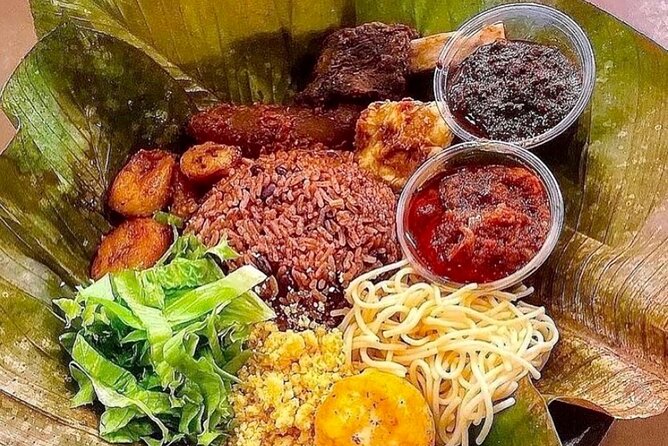
You eat the food prepared during the lesson. Lunch is included in the price, and you can either eat at the venue or take the prepared meals away in packed containers.
Two packaged leftovers are also included. This is one of the better practical features of the experience. You receive more than a taste during the class, and you can enjoy the food later instead of leaving hungry after several hours of cooking.
The take-out option also helps if you are staying somewhere with limited cooking facilities. You can take a ready-made portion back with you and use it as a second taste of the dishes after you have had time to think about what you learned.
If you want more food, you can request an increased quantity for an added reasonable fee. The service can prepare extra portions to share with friends or orphanages. That option gives the lesson a community-minded angle, but confirm the quantity and cost before the class.
You can also replace the cooking lesson with an order for specific Ghanaian dishes at the same fee. This is useful if you care more about eating local food than learning to prepare it. It is a different kind of visit, though, so make sure you are booking the format you actually want.
Same departure point, a completely different day out:
- The Cape Coast Day Tour
★ 5.0 · 525 reviews - Experience the Beauty, History and the Culture Of Accra in a Day
★ 5.0 · 323 reviews - The Cape Coast Tour
★ 5.0 · 177 reviews - From Accra: Cape Coast, Elmina Castle & Kakum Park Day Tour
★ 4.6 · 144 reviews
The story behind the dishes
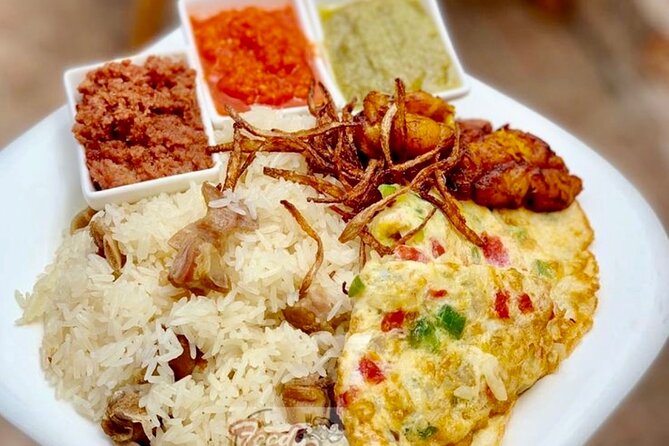
Cecilia does more than give instructions. She explains the history behind each indigenous meal and welcomes questions about Ghanaian culture. The food becomes a starting point for a wider conversation about daily life, traditions, and local tastes.
I find this cultural context especially useful because ingredients alone do not explain a dish. Knowing why a meal matters, how it fits into Ghanaian life, or what makes it familiar to local families gives the cooking more meaning.
You are free to ask about subjects beyond the menu. The class is designed to make room for questions, so use that opportunity. If you are curious about Ghanaian food customs, ingredients, celebrations, or ordinary home cooking, this is the time to ask.
The amount of conversation may depend on your group and the pace of the cooking. That is another reason not to schedule a tight afternoon afterward. A relaxed timetable lets you cook carefully and make the cultural side of the class worthwhile.
Allergies, substitutions, and comfort
Allergies are considered when the ingredients are combined. You should still explain any allergy or dietary concern before cooking begins, rather than waiting until ingredients are already mixed.
The host also shares substitute ingredients for use in your home area. This is a small but valuable part of the lesson. A recipe is only useful if you can make it again, and local shops outside Ghana may not carry every ingredient used in the class.
The available information does not promise a specific dietary menu, such as vegetarian, vegan, or gluten-free options. If that matters to you, ask in advance so the meal can be planned safely. The same applies to strong dislikes and preferred spice levels.
Cooking utensils are supplied, so you can arrive without equipment. The experience includes ingredients, lunch, all fees, and taxes. Private transport is the main extra cost to plan for.
Is $25 good value?
At $25 per person, this is a strong value if you want a meal, a cooking lesson, leftovers, and cultural conversation in one four-hour visit. The price covers the ingredients and utensils, and it includes all prepared food, with two portions packed for later.
The value improves if you are likely to cook the dishes again. Ingredient substitutions and hands-on practice give you something useful to take home beyond the food itself. You are paying for a skill and a local exchange, not just lunch.
It is less compelling if you only want to sample Ghanaian food quickly. Four hours is a long time for a meal, and you may prefer the take-out option if you have limited time or no interest in cooking. The same fee can be used for specific meal orders, according to the available details.
Since the maximum group size is 10, the price also buys a small-group setting rather than a large food tour. The exact level of individual attention can vary with the group, but the format is built around participation.
Getting there and planning the day
The meeting point is on Diabase Street in Accra, and the activity ends back there. Public transportation is nearby, while private transportation is not included. Build your travel time into the day and allow some extra room, since the class itself can last about four hours.
You receive confirmation at booking. The activity is available as a mobile ticket, which means you can keep the booking details on your phone.
The class is usually booked about 13 days ahead. That is a useful planning clue if your Accra dates are fixed. I would reserve early if you need a particular day or time, especially because the group is limited to 10 people.
Free cancellation applies if you cancel at least 24 hours before the start time. Changes or cancellations inside that 24-hour window are not accepted and are not refunded. The cut-off follows local time in Accra.
Who will enjoy this cooking class?
I would choose this for you if you like to learn by doing, want a closer look at Ghanaian food, or prefer an activity that produces something you can eat later. It also suits families and small groups who enjoy conversation, music, and a relaxed kitchen setting.
Food lovers who have already tasted Ghanaian dishes may find the class especially useful because they can ask more detailed questions and focus on recreating the recipes at home. First-time visitors also get a clear introduction through familiar dishes such as jollof rice, plantain, and groundnut soup.
This may not be the best match if your schedule is packed or you want a polished restaurant meal with no participation. You need to be willing to spend several hours preparing food, asking questions, and waiting for each dish to finish.
The option to order food instead makes the activity more flexible. You can enjoy the cooking format, choose take-out, or request extra portions for people who are not attending. Confirm the details of your preferred arrangement before the appointment.
Should you book Authentic Ghanaian Cooking Lessons?
Book it if you want a useful Ghanaian food lesson, not just a plate of food. The hands-on format, flexible meal choices, ingredient substitutions, cultural conversation, and two leftovers make the $25 price easy to justify.
Choose a relaxed day, arrive ready to participate, and tell Cecilia about allergies or food preferences early. If you want a quick lunch, order take-out instead. If you want to understand the food and make it again at home, the full cooking lesson is the better choice.
FAQ
Where does the cooking class take place?
The meeting point is Diabase Street, Accra, Ghana. The activity ends back at the same meeting point.
How long does the experience last?
The cooking experience lasts approximately four hours.
How much does it cost?
The price is $25 per person.
What does the package include?
The price includes lunch, ingredients, cooking utensils, all fees, and taxes. You can eat the prepared food at the venue or take it away.
How many meals do I prepare?
You can choose a package with two complete meals and either a side dish or dessert.
Can I take food home?
Yes. The experience includes two packaged leftovers, and you can take the prepared meals away instead of eating them at the venue.
Are cooking utensils provided?
Yes. The utensils needed for preparing the meals are provided, so you do not need to bring your own.
Can I order food instead of taking the lesson?
Yes. You can replace the cooking lesson by ordering specific Ghanaian meals at the same fee.
Are allergies considered?
Yes. Client allergies are considered when the ingredients are combined. Tell the host about your allergies before the meal is prepared.
Can I cancel for a refund?
You can cancel at least 24 hours before the start time for a full refund. Cancellations or changes made less than 24 hours before the start time are not accepted and are not refunded.
Just added around Accra
- Experience Aburi Botanical Gardens And Boti Water Falls In A Day.★ 5.0 · 3 reviews
- Experience Cape Coast Castle and Kakum National Park★ 4.5 · 3 reviews
- Accra city tour★ 4.5 · 3 reviews
- 7days/6nights Eco Tourism★ 5.0 · 3 reviews
- Half-Day City Tour of Accra★ 5.0 · 3 reviews
- 3 Days Accra City Tour & Cape Coast Tour★ 4.5 · 3 reviews
- Accra Zoo, Canopy Walk and Botanical Gardens Private Tour★ 5.0 · 3 reviews
- Local Ghanaian Food Tasting Tours★ 5.0 · 3 reviews
Accra Tours, compared.


Experience the Beauty, History and the Culture Of Accra in a Day
Read our review →
Cape Coast, Elmina Castle & Kakum Park Day Tour
Read our review →


Boti Falls, Umbrella Rock, Aburi Gardens & Cocoa Farm Tour
Read our review →
Browse the lists this tour appears in