
Reviewed · ACCRA TOURS
Accra Guided City Tour Experience
Accra’s story comes into focus when you connect its major landmarks in one day. This tour moves from Kwame Nkrumah’s independence legacy to Black Star Square, Makola Market, W.E.B. Du Bois, and Ghana’s museums, giving you a useful first map of the city and country.
I like the hotel pickup and air-conditioned vehicle, especially because Accra traffic can turn a short road into a long one. I also like the human touch: guides such as Emmanuel, Michael, Thompson, Eben, and Fred are praised for clear explanations, market help, photos, and patience. The main drawback is the packed schedule. Lunch is not included, and several stops require walking and standing, so eat breakfast and carry a snack.
Key points to know before booking
- Six major Accra stops in six hours: You cover national history, Pan-African thought, local shopping, art, and archaeology in one organized day.
- Makola Market is more than a shopping stop: Your guide can help you handle prices and navigate the busy commercial streets.
- Early pickup matters: The stated pickup time is 7:00 AM, set with Accra traffic in mind.
- Guides add much of the value: Emmanuel, Michael, Thompson, Eben, Fred, and others have been praised for historical explanations, humor, photos, and practical help.
- Comfort is built into the transport: Bottled water, air conditioning, hotel pickup and drop-off, and onboard WiFi are included.
- Plan for a food gap: Lunch is not provided, and the schedule may not include a dedicated meal stop.
Why this six-hour route works for a first day in Accra
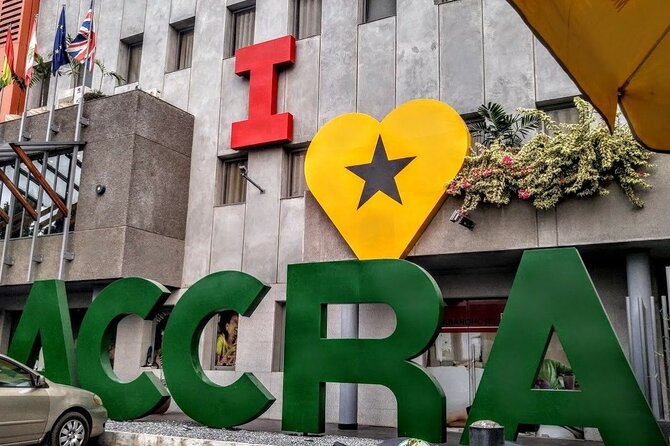
Accra is not a city you understand from one postcard view. Its character is spread across monuments, museums, markets, churches, government spaces, coastal roads, and ordinary commercial streets. This route gives you several strong reference points without asking you to arrange separate taxis, museum visits, and market help.
The order also gives the day a useful shape. You begin with Ghana’s independence story, move into public memory and Pan-African connections, then finish with cultural collections and older artifacts. You will not see every part of Accra, but you will leave with a clearer sense of how Ghana’s modern identity was formed.
The early start is practical rather than glamorous. Pickup is listed for 7:00 AM because traffic, road conditions, weather, and the location of your hotel can affect the schedule. The operator may adjust the exact time. That flexibility matters in Accra, where a well-planned route can still be slowed by city roads.
Transport is in an air-conditioned vehicle, with bottled water and WiFi onboard. The WiFi is a handy extra if you want to send photos during the day, though the real benefit is escaping the heat between stops. Hotel pickup and drop-off also make this easier for a first visit, particularly if you are staying somewhere unfamiliar.
A few more Accra days to weigh up
- The Cape Coast Day Tour
★ 5.0 · 525 reviews - Experience the Beauty, History and the Culture Of Accra in a Day
★ 5.0 · 323 reviews - The Cape Coast Tour
★ 5.0 · 177 reviews
Kwame Nkrumah Memorial Park and Ghana’s independence story
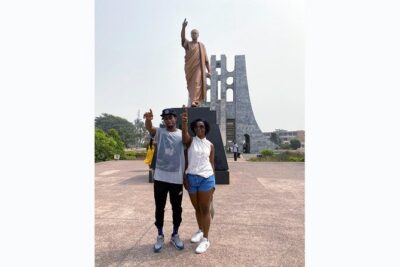
The Kwame Nkrumah Memorial Park is the natural opening act. It honors Dr. Kwame Nkrumah, Ghana’s first president and one of the central figures in the country’s independence movement.
You visit his mausoleum, see the bronze statue, and enter a museum devoted to his life and political work. The surrounding gardens provide a calmer setting after the drive, while the exhibits give you context for Ghana’s break from British colonial rule and its role in African independence.
This stop is valuable because Nkrumah is not treated as a distant name on a monument. The memorial connects his public role, political ideals, and place in Ghana’s national story. Your guide can help explain why his leadership matters beyond Ghana itself.
Allow yourself time to look closely rather than rushing from plaque to plaque. The site is one of the more reflective parts of the day, and it gives later stops at Independence Square more meaning. If you prefer markets and street scenes to museums, this may feel formal, but it is an important foundation for the rest of the route.
Makola Market, where Accra gets practical
Makola Market is the day’s sharp change of pace. Here, you see Accra as a working commercial center rather than a collection of official monuments.
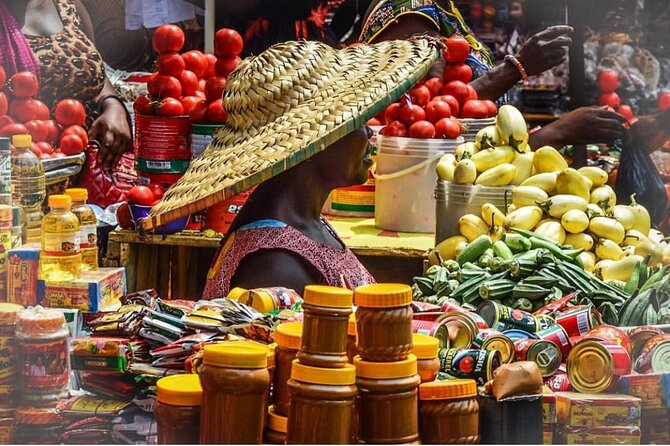
The market sells textiles, clothing, food, electronics, and other everyday goods. The appeal is not simply buying something. It is watching how business is conducted, seeing the range of products, and getting a feel for the city’s daily rhythm.
This is where a good guide earns their keep. Michael and other guides have helped with bargaining and purchases, while Eben was praised for taking care of a group at the market and helping them receive fair prices. You should still decide what you want to spend before you start shopping. Bargaining is easier when you know your limit.
Carry cash for purchases at Makola and the other stops. The tour information specifically recommends it, and the market is the most obvious place to use it. Keep your belongings close, stay with your guide, and wear comfortable shoes. The market can feel intense if you are not used to busy trading areas, but that is also what makes it such a useful counterpoint to the polished memorials.
Photography should be handled with ordinary courtesy. Ask before photographing people, and follow your guide’s advice. The market is a place where you are watching real work, not a staged show.
Black Star Square and the Atlantic edge of the city
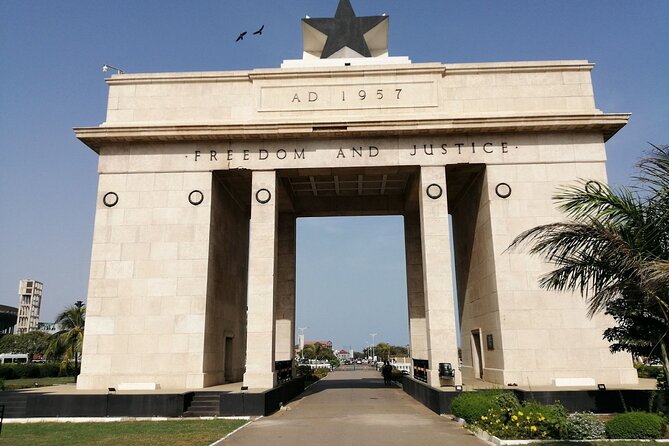
Independence Square, also known as Black Star Square, brings you back to Ghana’s national story. The Black Star Gate and Independence Arch mark the country’s freedom and its independence in 1957.
The square is large and ceremonial, with views toward the Atlantic Ocean. Its scale is part of the point. This is a public space designed for national gatherings and formal events, so it feels very different from Makola Market’s close quarters.
Your guide can explain the symbols and connect the square with Nkrumah’s leadership. That link is worth paying attention to. The memorial park focuses on a person, while Independence Square presents independence as a public national achievement.
The open space can be hot, especially in the middle of the day. Bring water, use the included bottle, and consider a hat or sun protection. The schedule is designed to cover several sites, so you may have limited time for extended photography, but the Black Star Gate and arch make clear visual markers.
Same departure point, a completely different day out:
- From Accra: Cape Coast, Elmina Castle & Kakum Park Day Tour
★ 4.6 · 144 reviews - Accra Detailed City Tour
★ 4.5 · 118 reviews - Accra Guided City Tour Experience
★ 5.0 · 76 reviews - Accra To Cape Coast And Elmina Day Tour
★ 5.0 · 75 reviews
W.E.B. Du Bois Center and the Pan-African connection
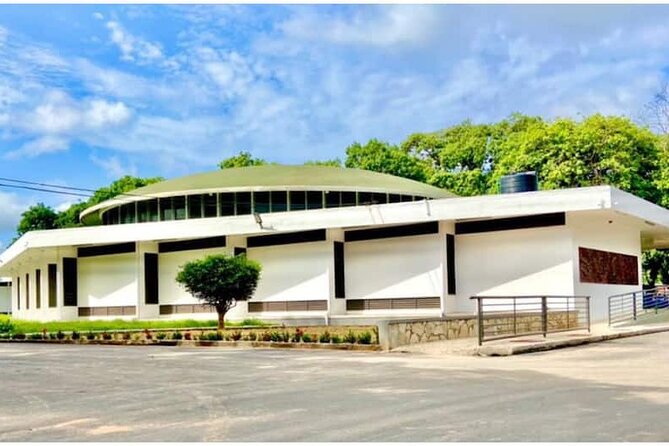
The W.E.B. Du Bois Center adds an international and intellectual layer to the tour. Du Bois was an African American scholar and a major voice in Pan-African thought. The center includes his mausoleum and a museum about his life, work, and ideas concerning African unity.
This stop can surprise you. It shows that Accra’s history is not only about Ghana’s national independence. The city also became a meeting point for wider African and African diasporic political movements.
The center is especially useful if you know Du Bois mainly as a writer or civil rights thinker. The exhibits place his final years and his connection with Ghana into a broader setting. Your guide can help explain how his work related to Nkrumah and the country’s independence-era ambitions.
Give this stop a little attention even if you have already visited several museums. It is one of the places where the route moves beyond famous buildings and introduces the ideas behind them. The mausoleum is a quieter site, so it can also provide a pause before the final museums.
Center for National Culture and Ghanaian arts
The Center for National Culture is the most hands-on cultural stop. Its marketplace features Ghanaian sculptures, textiles, and crafts, with the possibility of seeing cultural performances.
This is a good place to shop for a meaningful souvenir rather than a generic airport item. Textiles and carved pieces can vary in price and quality, so look carefully and ask questions. Cash is useful here as well.
The market setting means the experience may be more commercial than museum-like. That is not a flaw, but it helps to know what you are getting. You are browsing working craft stalls, not walking through a silent gallery. Your guide can help you understand what you are seeing and may assist with bargaining.
A few practical rules improve the stop. Do not feel obliged to buy. Compare items before committing, and decide how you will carry anything fragile or bulky. The tour includes transport back to Accra hotels, but it does not promise special handling for large purchases.
If a cultural performance is taking place, it adds another dimension to the visit. Performance availability is not guaranteed in the supplied details, so treat it as a possible extra rather than the main reason to book this stop.
Ghana National Museum, the broadest final lesson
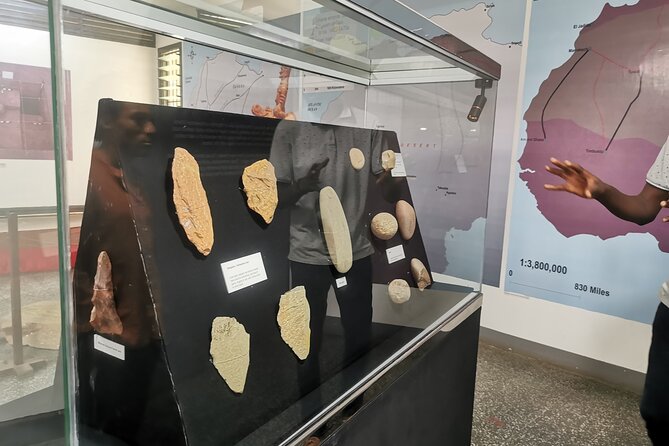
The Ghana National Museum is described as the country’s largest museum. It brings together cultural history, art, and archaeological objects reaching back to the pre-colonial period.
Ending here makes sense. After seeing independence monuments, a major market, and sites tied to Pan-African thought, you get a wider look at the people, objects, and traditions that came before the modern state.
The museum is the place to slow down and connect the day’s themes. Ghana is not only a twentieth-century independence success story. Its past includes older communities, artistic traditions, material culture, and archaeological remains. The collections help place modern Accra in a much longer timeline.
Six stops in six hours means this will be an introduction, not an exhaustive museum visit. If you love museums and want to read every label, the pace may feel brisk. If you want a well-chosen first look, the stop gives you enough structure to decide what deserves a longer visit later.
The guides are a major part of the experience
The company uses different English-speaking guides, so your exact experience depends partly on who leads your group. Names repeatedly associated with strong tours include Emmanuel, Michael, Thompson, Eben, Fred, George, Godfred, Peter, Moses, Thomas, and Derrick.
The most useful guide qualities are practical ones. You want someone who can explain Nkrumah without turning the morning into a lecture, answer questions at the museums, keep the group moving, and help you handle Makola Market. Guides have also taken photographs, taught visitors a few Twi words, and helped with airport drop-off when it fit the route.
Thompson is noted for punctuality, careful scheduling, detailed narration, and taking photos. Michael has been praised for humor, market help, and even patient Twi practice. Emmanuel is known for a pleasant manner and clear explanations, while Eben has been singled out for photography, care, and strong knowledge of the city.
You cannot assume you will receive a particular guide unless the operator confirms it. Still, the pattern is clear: the guide is not just a driver who points out buildings. The guide’s local judgment matters most at the market and in making sense of Ghana’s political history.
Time, food, comfort, and what to carry
The stated duration is six hours, described as a half or full-day experience. In practical terms, plan around a substantial morning and afternoon block, not a quick orientation ride.
The start time is listed as 7:00 AM, but pickup can change because of traffic, weather, road conditions, and hotel location. Keep your morning flexible and watch for the confirmed pickup details.
Lunch is not included. One person specifically wished for a food stop, and another found the lunch arrangements less satisfying. Since lunch is outside the package, have breakfast before pickup and carry a snack. Bottled water is included, but extra cash for food and purchases is sensible.
Wear light, comfortable clothing and shoes suitable for museum floors, market streets, and outdoor monuments. The vehicle has air conditioning, but you will spend part of the day outside. Cash is important for local purchases. Alcohol, drugs, and explosive substances are not allowed, and you must not touch museum exhibits.
The tour is not recommended for pregnant women, people with back problems, or people over 95 years old. The information provided does not give a detailed accessibility plan, so you should ask the operator directly about mobility needs before booking.
Is $45 good value for Accra?
At $45 per person, the tour offers a lot if you want structure. The price includes a dedicated English-speaking guide, hotel pickup and drop-off, an air-conditioned vehicle, bottled water, WiFi, and the activity costs for the listed stops.
You are also paying to avoid the hassle of arranging transport between six sites. In Accra, that matters. Traffic can eat up time, and the market is easier with someone who knows the area and can help you judge purchases.
The value is strongest for first-time visitors, solo visitors, and anyone with limited time. It is also useful if you want a historical overview before exploring independently. The value is weaker if you dislike group schedules, prefer long unhurried museum visits, or already know Accra well.
The tour does not include accommodation or lunch. It also does not turn every stop into a private, extended visit. Think of the $45 as payment for an efficient introduction, local interpretation, and transport, not a full study of each museum.
Who should book this Accra tour?
I would choose this for a first or short visit, especially if you want to understand Ghana before heading to other parts of the country. It suits solo visitors because hotel pickup, a fixed route, and a shared day make the city easier to approach. One person also found it a good way to meet fellow visitors.
It works well for history-minded people who want Nkrumah, independence, Du Bois, and the National Museum in the same program. It also suits shoppers who want help at Makola Market and the Center for National Culture.
I would hesitate if your priority is food. Lunch is not part of the experience, and there may be no dedicated meal stop. I would also hesitate if you need a slow pace, have mobility or back concerns, or want to spend half a day in just one museum.
Should you book it?
Book this tour if you want a well-organized first look at Accra with transport, historical context, and help at the market. The strongest parts are the range of stops and the guides’ practical involvement, especially with explanations, photographs, bargaining, and local language tips.
Skip it if you prefer to set your own pace or already have a detailed Accra plan. If you do book, start with breakfast, carry cash and a snack, wear comfortable shoes, and keep the early pickup window open. At $45, it is a sensible way to cover the city’s essential landmarks in one day without spending your visit negotiating every taxi ride.
FAQ
How long does the Accra Guided City Tour last?
The activity lasts six hours. It is described as a half or full-day tour, depending on how you view the schedule and pickup arrangements.
What time is pickup?
The stated pickup time is 7:00 AM. The exact time may change because of traffic, road conditions, weather, hotel location, and other outside factors.
Is hotel pickup and drop-off included?
Yes. Pickup and drop-off in Accra are included, although the exact timing may vary.
Which sites are included?
The route includes Kwame Nkrumah Memorial Park, Makola Market, Independence Square and Black Star Square, the W.E.B. Du Bois Center, the Center for National Culture, and the Ghana National Museum.
Is lunch included?
No. Lunch is not included in the price. Bottled water is included, so you should eat breakfast and consider carrying a snack.
Is the tour conducted in English?
Yes. The live tour guide speaks English.
Is transportation air-conditioned?
Yes. Transportation is provided in an air-conditioned vehicle, and WiFi is available onboard.
Should I bring cash?
Yes. Cash is recommended for local purchases at the markets and attractions.
Can I cancel the tour?
You can cancel up to 24 hours in advance for a full refund. The reserve-now, pay-later option lets you book without paying immediately.
Just added around Accra
- Experience Aburi Botanical Gardens And Boti Water Falls In A Day.★ 5.0 · 3 reviews
- Experience Cape Coast Castle and Kakum National Park★ 4.5 · 3 reviews
- Accra city tour★ 4.5 · 3 reviews
- 7days/6nights Eco Tourism★ 5.0 · 3 reviews
- Half-Day City Tour of Accra★ 5.0 · 3 reviews
- 3 Days Accra City Tour & Cape Coast Tour★ 4.5 · 3 reviews
- Local Ghanaian Food Tasting Tours★ 5.0 · 3 reviews
- Accra Zoo, Canopy Walk and Botanical Gardens Private Tour★ 5.0 · 3 reviews
Accra Tours, compared.
Experience the Beauty, History and the Culture Of Accra in a Day
Read our review →
Cape Coast, Elmina Castle & Kakum Park Day Tour
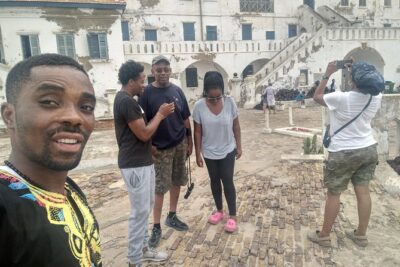
Read our review →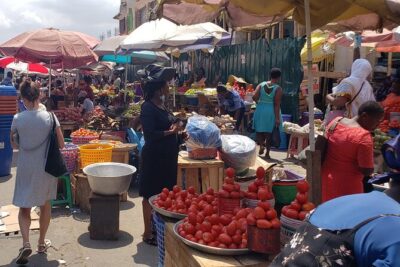
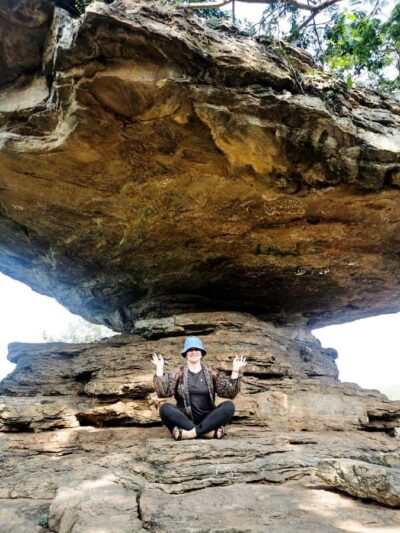
Boti Falls, Umbrella Rock, Aburi Gardens & Cocoa Farm Tour
Read our review →
Browse the lists this tour appears in