
Reviewed · CAPE COAST & ELMINA CASTLE TOURS
The Cape Coast Tour
The most powerful part of this day is the contrast: you move from the dungeons and Door of No Return at Cape Coast and Elmina castles to the open air of Kakum National Park. The castles confront you with the human cost of the Atlantic slave trade, while the rainforest gives you space to think and breathe.
I like two things here. First, round-trip pickup from Accra removes a major transport problem. Second, the tour combines serious history with a physical outdoor activity, so the day has variety. The catch is the length. With 11 to 15 hours on the road, this is a demanding day, and delays or traffic can make it longer.
Key points to know before booking
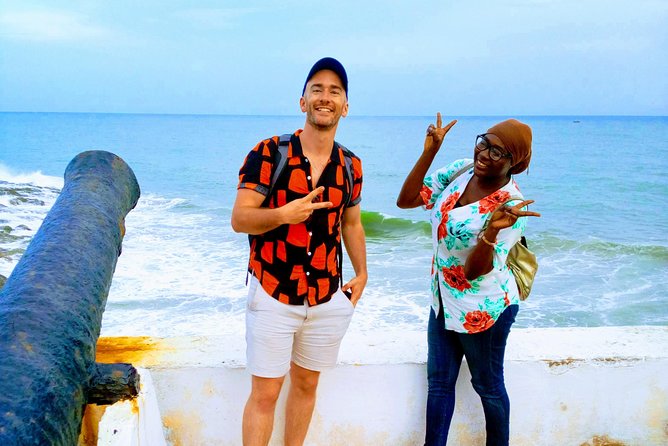
- Cape Coast Castle gives the day its emotional weight, with its museum, dungeons, and Door of Return.
- Elmina Castle dates to 1482 and shows how a trading post became part of the Atlantic slave trade.
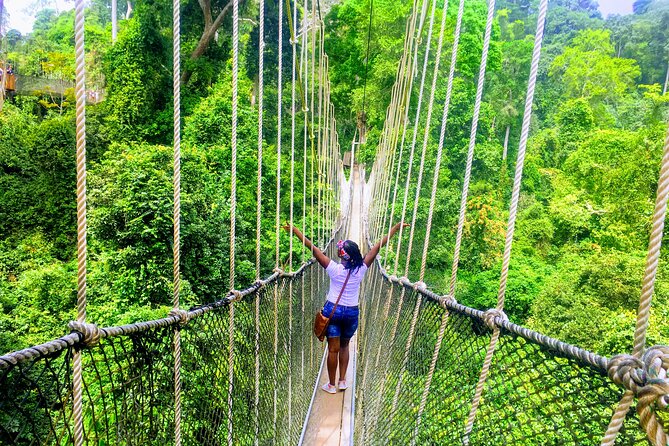
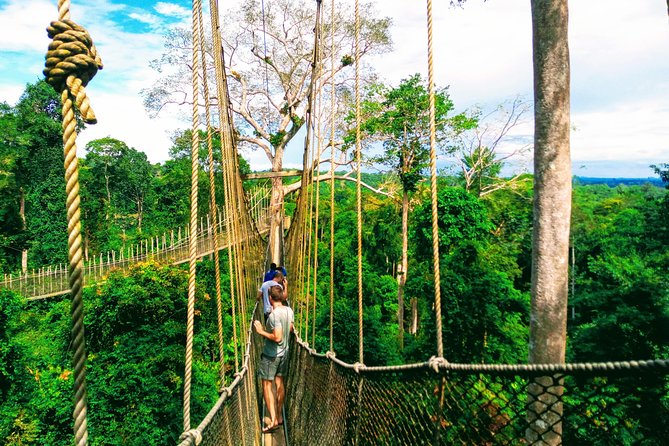
- Kakum’s canopy walkway is 350 meters long and hangs about 40 to 50 meters above the forest floor.
- The drive from Accra is long, with some departures taking four to five hours on the road between Cantonments and the coast.
- The $170 price includes transport, fuel, guides, activities, and admission fees, but not lunch.
- Guide quality is a strong part of the experience, with guides and drivers such as Gian, Ernest, Nana, Suwaiba, and Suema praised for care and clear explanations.
Why this Cape Coast day trip matters
If you have only a few days in Accra, Cape Coast is one of the most worthwhile trips you can make outside the capital. It is not a light sightseeing outing. The castles ask you to face a painful part of Ghana’s past, then Kakum shifts the mood toward forest, birds, and height.
That mix is the reason I find the itinerary effective. You are not spending the entire day in museums or sitting in a vehicle with no change of pace. The history is heavy, but the canopy walkway gives the day a second rhythm.
The experience costs $170 per person. That is a serious amount, but the price covers local transportation, hotel pickup and drop-off within Accra, fuel, guide support, admission fees, and the activities listed. Since Cape Coast is far from Accra, arranging the transport alone would take planning. The value is strongest if you want a full-service day and do not want to rent a car or organize several separate visits.
Lunch is not included, so plan to pay for your own meal. One person described enjoying lunch near Kakum, but the supplied details do not promise a particular restaurant or meal. Treat lunch as an extra cost and ask your guide about the day’s plan.
Other visits to the Cape Coast and Elmina castles:
- The Cape Coast Day Tour
★ 5.0 · 525 reviews - From Accra: Cape Coast, Elmina Castle & Kakum Park Day Tour
★ 4.6 · 144 reviews - Accra To Cape Coast And Elmina Day Tour
★ 5.0 · 75 reviews
The long road from Accra to the coast
Pickup is offered from hotels and other lodging within Accra, and the trip ends back at the meeting point. The tour lasts about 11 to 15 hours, which tells you what kind of day this is: an early start, a late return, and plenty of time in the vehicle.
The drive itself is part of the practical calculation. A departure from Cantonments was described as taking about four to five hours for the drive to and from the Cape Coast area. Road conditions, traffic, pickup delays, and vehicle problems can affect the schedule. One outing ran late after the driver, Gian, found a frayed fan belt, located mechanics and a replacement, and got the group moving again.
That story points to a useful strength in the operation: the driver may be more than a person behind the wheel. Gian was praised for safe driving and for explaining towns and points of interest along the way. Ernest and Nana were also singled out for friendly service and professional driving.
Still, you should not expect the smooth timing of a short city tour. One departure did not leave until roughly two hours after the scheduled time because some people were not ready. Pickup tours can involve several properties and multiple parties. Be ready for a long day, and keep your evening plans flexible.
Cape Coast Castle and the Door of Return
Cape Coast Castle is the first major historical stop. The visit lasts about an hour, with no separate admission charge beyond the tour price.
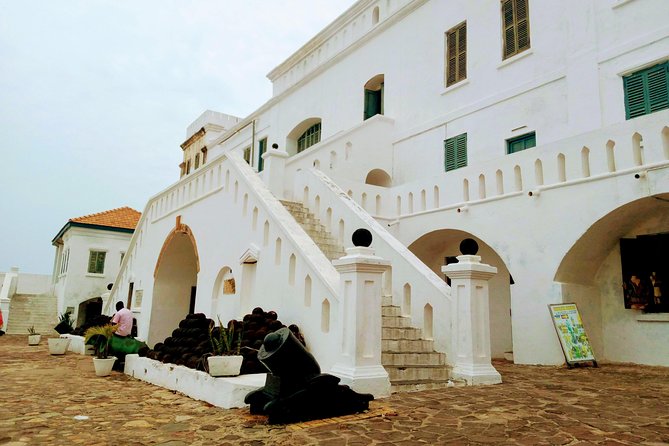
The castle was built by Europeans in 1652 and is described as the smallest castle in this group, as well as the only one built by Europeans specifically for slavery. It is now a UNESCO World Heritage Site, a museum, and a place of remembrance.
The building’s importance is not just architectural. Its rooms and passages connect directly to the forced removal of Africans across the Atlantic. The castle helps present that past from an African point of view, rather than treating the subject as a distant chapter in European trade.
The Door of No Return is one of the most affecting points. People held in the castle passed through it toward ships and an unknown future. It is now also called the Door of Return. During the first Pan African Festival celebrations in 1998, remains of two enslaved people from Jamaica and Barbados were exhumed and brought back to Ghana through this doorway. That act gave the site another meaning: descendants were being welcomed back to the place from which their ancestors had been taken.
Expect the castle visit to be emotionally difficult. Several people described the experience as sacred or deeply moving, especially when visiting with children and grandchildren. I would not rush through the rooms or treat the stop as a photo opportunity. Listen closely, give yourself quiet time, and understand that the subject may affect people in different ways.
There is also a gift shop at the castle. That may feel minor after the historical visit, but it can give you time to gather yourself before the next stop.
Elmina Castle and the machinery of forced trade
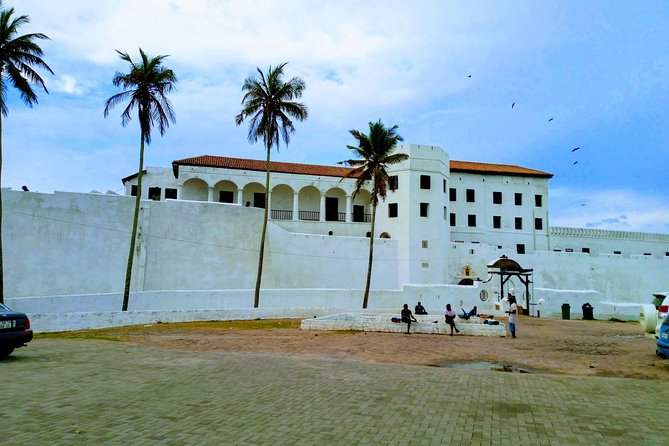
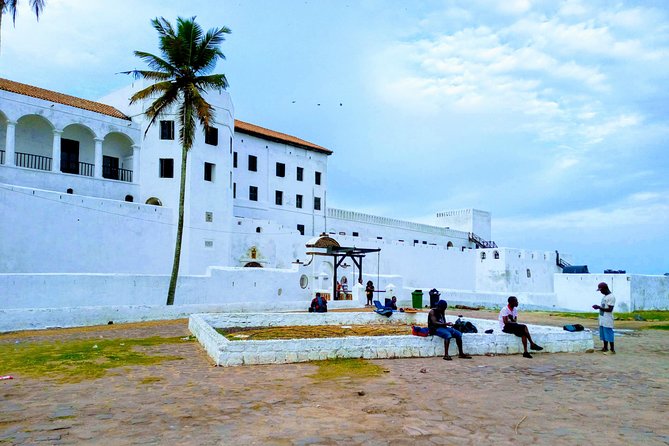
Elmina Castle is about an hour from the information provided for the stop, with admission included. Built in 1482, it is the oldest and largest European castle below the Sahara. Its original purpose was trade. Warehouses held goods and items used in exchange before those spaces were later turned into male and female dungeons.
The castle shows how a commercial outpost became part of a vast system of human trafficking. People were held in the dungeons for as long as three months before being shipped to the Americas. The castle later served as a prison and a secondary school. Today, it is a UNESCO World Heritage Site and a place tied to heritage and family roots.
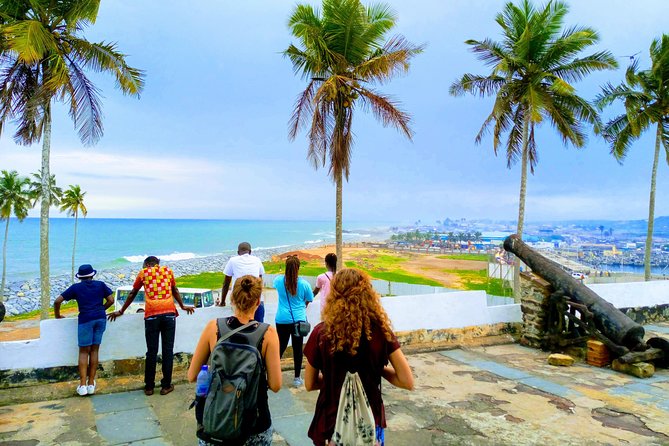
You should pay attention to the change between the two castle visits. Cape Coast Castle gives the day a strong memorial focus. Elmina adds the earlier trading history and shows how the buildings changed use over time. Together, the sites make the scale and organization of the Atlantic slave trade easier to grasp.
The tours are led by local castle guides as well as your main guide. Different departures have included guides such as Gian, Suwaiba, and Suema. The guide assigned to you may differ, but the supplied experiences point to a team that can explain the sites with care and patience.
The main drawback is that one hour at each castle can feel short. You will see the key spaces, but you will not have unlimited time for every room, exhibit, or personal reflection. If you need a slow, detailed museum visit, a private or longer castle program may suit you better.
A few more Accra days to weigh up
- Experience the Beauty, History and the Culture Of Accra in a Day
★ 5.0 · 323 reviews - Accra Detailed City Tour
★ 4.5 · 118 reviews - Accra Guided City Tour Experience
★ 4.7 · 88 reviews - Accra Guided City Tour Experience
★ 5.0 · 76 reviews
Kakum National Park and the rainforest walk
After the castles, the tour heads to Kakum National Park. The park is described as Ghana’s second-largest national park and is home to mammals, reptiles, and many bird species. Much of its wildlife is nocturnal, so do not book this outing expecting guaranteed animal sightings in the daytime.
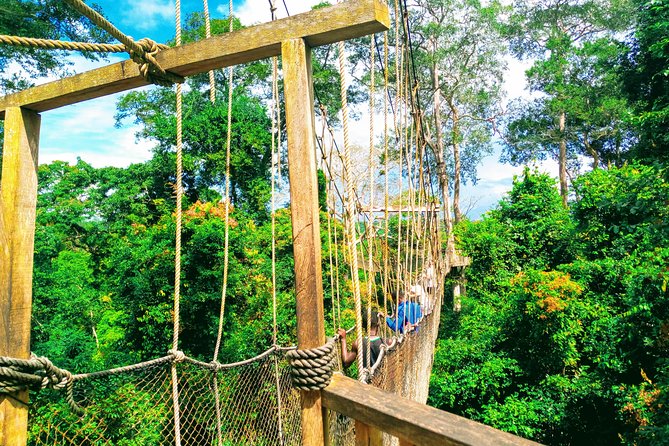
Kakum’s main attraction is the canopy walkway. You first take a roughly 15-minute walk or hike through the forest, with rest stops along the way. One description noted three rest stops before reaching the walkway. Guides may talk about the forest, wildlife, and the many communities connected to the rainforest.
The walkway stretches about 350 meters and hangs 40 to 50 meters above the ground. From that height, you get an aerial view through the treetops rather than a standard trail-level walk. The height is the point, but it is also the part that may unsettle you.
The walkway was built in 1994 by two Canadians and six Ghanaians. Three of the Ghanaians who helped build it are still connected with the park and carry out regular maintenance. That detail will not remove a fear of heights, but it gives useful context about how the attraction is cared for.
The park can be wet. Rain is part of rainforest conditions, and one outing included getting rained on during the walk. Bring clothing that can handle changing weather and shoes suited to a short forest hike. The available details do not list a required equipment list, so keep your packing simple and practical.
I like the way Kakum follows the castle visits. The forest does not erase what you have just learned, but it gives your mind a different setting. One family described the canopy walk as a way to settle after the emotional weight of the castles. That is a fair way to view it: not entertainment placed randomly after a museum, but a change of pace that helps the day feel balanced.
Guides, drivers, and the human side of the day
The strongest part of the service is the guide and driver support. Gian has been praised for calm problem-solving, safe driving, and his knowledge of towns and points of interest. Suwaiba and Ernest were described as friendly and informative, while Nana and Suema were also praised for their service.
Rashida sent one party a detailed message the afternoon before pickup, which helped with preparation. That sort of contact matters when you are booking a long day in an unfamiliar country. Confirmation is received at booking, and hotel pickup and drop-off within Accra are included.
The driver may also help shape the day in small ways. On one departure, the group was dropped at a restaurant after the tour. Another driver allowed a brief stop at a nearby place for photographs before returning to Accra. These are not guaranteed features, but they suggest some flexibility when time and the group allow it.
The possible concern is group size. The maximum is listed as 100 people, though the individual departures described in the supplied details involved smaller mixed groups from several properties. A large maximum does not mean every departure will be large, but you should not assume a private tour.
If you want personal attention, ask about the group arrangement before confirming. Also check the exact itinerary. One booking went wrong because several tours appeared together and the person selected a different program than intended. Confirm that your booking includes both castles and Kakum National Park.
Who will get the most from this tour
I would choose this trip if you are staying in Accra and want to see the major Cape Coast sites without handling intercity transport yourself. It suits first-time visitors who want a clear introduction to Ghanaian history, the Atlantic slave trade, and the rainforest.
It also works well for families and multigenerational groups. The castle visits offer a serious shared lesson, while Kakum gives children and adults a physical activity to look forward to. The subject matter is heavy, so parents should decide how much historical detail is right for younger children.
You should be reasonably comfortable with a long vehicle journey, a 15-minute forest hike, and a high walkway. The listing says most people can participate, and service animals are allowed. Still, the canopy section may be a poor fit if heights cause severe anxiety, and the overall day can be tiring for anyone who struggles with long road trips.
This is not the best choice if you want a relaxed coastal holiday, a beach day, or a slow museum visit. It is a packed regional excursion. You trade comfort and spare time for access to three important places in one day.
What the $170 price really covers
At $170, you are paying for convenience as much as sightseeing. The tour includes:
- Pickup and drop-off within Accra
- Local transportation
- Fuel
- Guide support
- Entrance fees
- The canopy walkway and other listed activities
That package removes several expenses that can quickly add up. You do not need to find a vehicle for the long drive, pay entry at each site, or work out the route between Cape Coast, Elmina, and Kakum.
The value is less clear if you are already arranging a private car or have several days to visit the coast at your own pace. In that case, the fixed schedule and long return trip may feel restrictive. Group discounts could improve the cost for larger parties, but no discount amount is provided.
The biggest cost is time. An 11 to 15-hour day can take up most of your waking hours. I would book it early in your Accra stay rather than on the day before an international flight. The cancellation terms allow a full refund if you cancel at least 24 hours before the start time, but last-minute changes are not accepted. Poor weather may lead to another date or a full refund.
My practical verdict on the Cape Coast Tour
Book this tour if you want an efficient, serious introduction to Cape Coast and Elmina, and you are happy to pay for transport and a guide. The castle visits are the main reason to go. Kakum adds a memorable forest experience and keeps the day from becoming a series of indoor historical stops.
Before paying, confirm three things: your pickup location within Accra, the exact itinerary, and the group arrangement. Ask how lunch will work, wear practical clothes for the forest, and leave your evening open.
Skip it if you dislike long road journeys or want to explore each castle slowly. For everyone else, this is a demanding but worthwhile day, with some of Ghana’s most important historical sites followed by one of its most memorable outdoor activities.
FAQ
How long does the Cape Coast Tour take?
The tour lasts approximately 11 to 15 hours, including transportation from Accra and the return to the meeting point.
Is hotel pickup included?
Yes. Hotel pickup and drop-off are included for locations within Accra.
Are entrance fees included in the price?
Yes. Admission fees to Cape Coast Castle, Elmina Castle, Kakum National Park, and the listed activities are included.
Is lunch included?
No. Lunch is not included in the $170 price.
How long is the Kakum canopy walkway?
The walkway is about 350 meters long and is located approximately 40 to 50 meters above the forest floor.
Can I cancel for a full refund?
Yes. You can receive a full refund if you cancel at least 24 hours before the experience start time. Cancellations or changes made less than 24 hours before the start are not refunded.
Just added around Accra
- Experience Aburi Botanical Gardens And Boti Water Falls In A Day.★ 5.0 · 3 reviews
- Experience Cape Coast Castle and Kakum National Park★ 4.5 · 3 reviews
- Accra city tour★ 4.5 · 3 reviews
- 7days/6nights Eco Tourism★ 5.0 · 3 reviews
- Half-Day City Tour of Accra★ 5.0 · 3 reviews
- 3 Days Accra City Tour & Cape Coast Tour★ 4.5 · 3 reviews
- Local Ghanaian Food Tasting Tours★ 5.0 · 3 reviews
- Accra Zoo, Canopy Walk and Botanical Gardens Private Tour★ 5.0 · 3 reviews
Cape Coast & Elmina Castle Tours, compared.

Cape Coast, Elmina Castle & Kakum Park Day Tour
Read our review →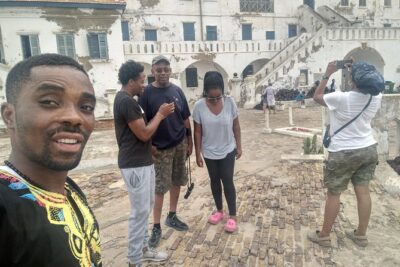
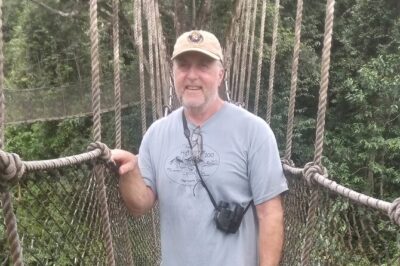

10 Days Trip to Cape Coast and Elmina Castles from Accra
Read our review →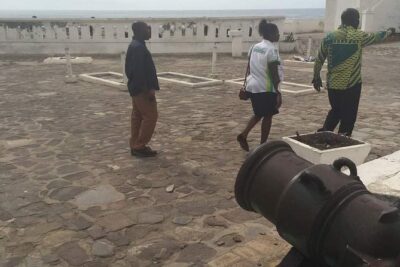
The Homecoming Experience To Cape-coast And Elmina.
Read our review →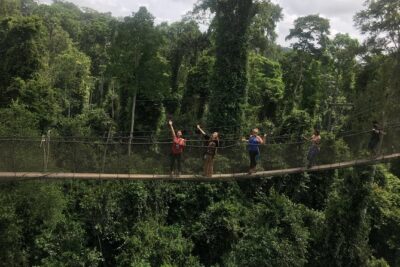
Cape Coast/Elmina Slave Dungeon and Canopy Walkway Private Tour
Read our review →
Assin Manso Slaves River and Cape Coast Castle Tour
Read our review →
Browse the lists this tour appears in