
Reviewed · ACCRA TOURS
Authentic Ghanaian Cooking Class in Accra
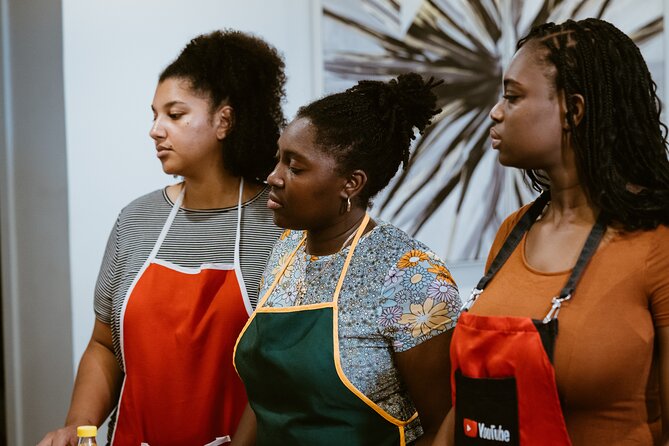
Ghanaian cooking is built on patient seasoning, layered sauces, and food meant to be shared. In this five-hour private class in Accra, chef Adjei, also known as AJ, guides you through familiar dishes such as jollof rice, waakye, Tuo Zafi, stew, and sobolo. You can begin at a local market or meet directly in the kitchen.
I like the choice between market shopping and a kitchen-only lesson, since you can choose between a little local context and a more direct cooking session. I also like that you take home all the food you prepare, turning lunch into leftovers for later.
The main caution is the uneven service record. Most of the available feedback praises AJ’s patience, clear instruction, and food, but one serious complaint describes missing tickets and poor communication. Confirm your booking details before paying, especially since the $100 fee is non-refundable.
Key points at a glance
- Chef Adjei leads the class: He has more than eight years of culinary experience and is repeatedly praised for patient, step-by-step instruction.
- You choose your starting point: Shop for fresh ingredients at a local market, or go straight to the kitchen for more cooking time.
- Classic Ghanaian dishes are on the table: Past menus have included jollof rice, waakye, Tuo Zafi, chicken and goat meat stew, Ghanaian fried rice, and sobolo.
- The class is private: Only your group participates, which should make questions and pacing easier.
- Vegetarian cooking is available: Tell the operator your preference before the class so the ingredients can match.
- The food comes home with you: Lunch, tasting, ingredients, water, and cooking instructions are included, but tips are not.
Starting at Summer Haven in Accra
The class begins and ends at Summer Haven, listed at JQ5M+5VC, Accra, Ghana. This is a practical setup for a cooking lesson because you are not spending half the day moving between several sights. The activity lasts about five hours, and the return to the same meeting point keeps the plan simple.
The meeting point is near public transportation, though no transfer service is included in the details provided. I would allow extra time to reach the location, particularly if you are unfamiliar with Accra or relying on public transport. A plus code can be useful for navigation, but it is worth saving the address and confirming the exact meeting instructions before the day.
The listed operating hours run from 5:30 AM to 8 PM, Monday through Sunday, for the stated booking period. That is a wide daily window, but your confirmed start time matters more than the general hours. Ask for the precise meeting time, kitchen directions, and the best way to contact the operator.
A few more Accra days to weigh up
- Home Cooking Class by Auntie K
★ 5.0 · 62 reviews - Local Ghanaian Cooking Class in Accra to help support wellness community center
★ 4.5 · 22 reviews - Authentic Ghanaian Cooking Lessons and Take Out Services.
★ 5.0 · 9 reviews
Market shopping or straight to the kitchen
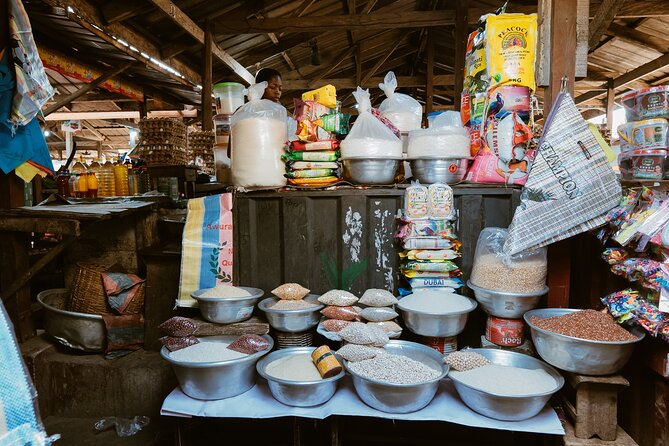
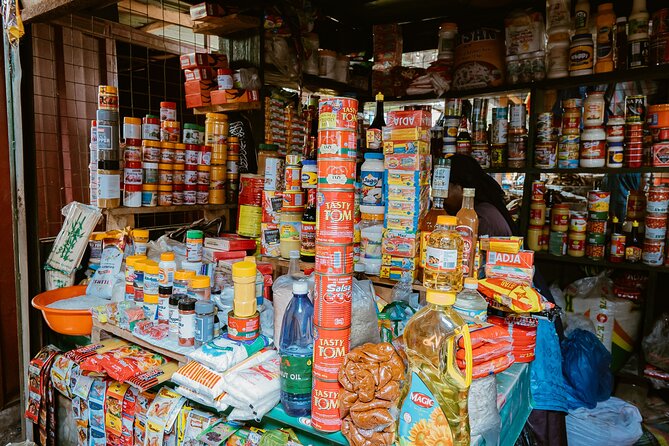
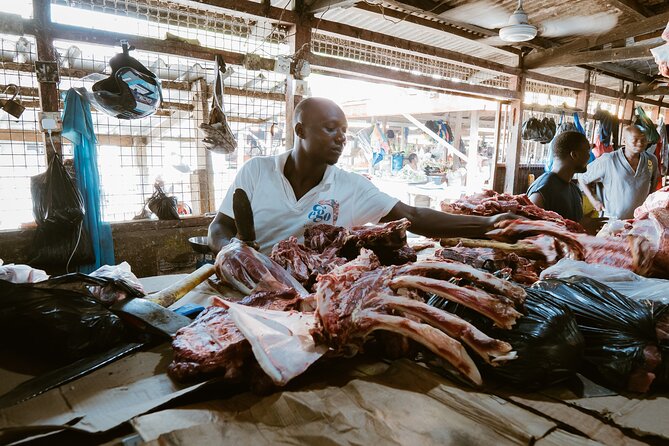
At the start, you have two choices. You can meet the host at a local market and help buy fresh ingredients, or you can go directly to the kitchen. The market option adds a useful piece of Ghanaian food culture: you see the raw materials before they become lunch and can ask about what each ingredient does in the dish.
The market visit is not just an errand. It can help you understand why Ghanaian food tastes the way it does, especially when sauces, rice dishes, herbs, peppers, and stew ingredients are involved. You may also get a clearer sense of the work behind a home-style meal. Still, the available details do not promise a specific market, shopping list, or length of time there, so do not expect a formal market tour.
The kitchen-only option may suit you better if cooking is your main reason for booking. You avoid extra movement and put the full five hours toward preparation, seasoning, cooking, tasting, and questions. If you have limited time in Accra, this is probably the more efficient choice.
Ask about the market option when you confirm. The two choices sound useful for different reasons, but the precise meeting arrangement should be clear before you set out.
Learning Ghanaian food one step at a time
The core of the experience is hands-on instruction. Chef Adjei demonstrates the cooking process and explains each stage as you work through the dishes. The strongest praise centers on his patient teaching style and his habit of explaining things step by step, which matters more than a flashy kitchen or a long menu.
Ghanaian cooking often depends on knowing when a sauce is ready, how strongly to season it, and how separate ingredients come together. A written recipe alone may not show those changes. Watching the chef and asking questions as you cook gives you a better chance of repeating the dish at home.
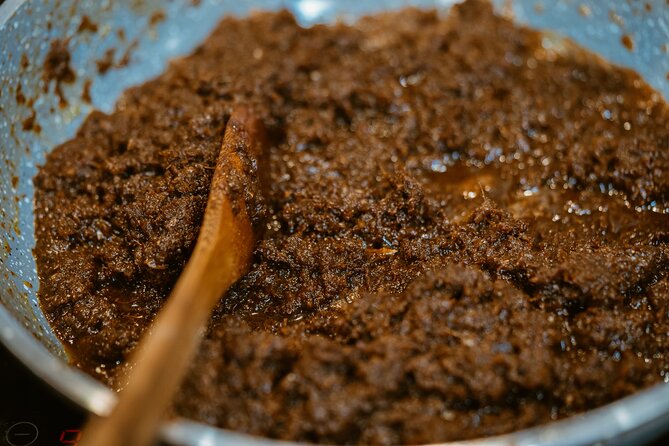
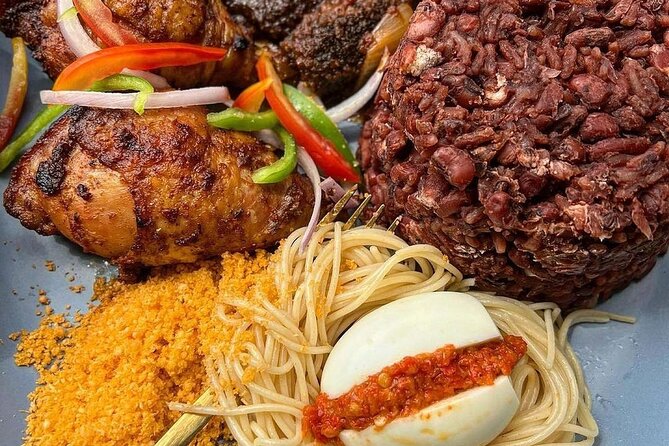
The available feedback points to several different meals. Jollof rice appears often, along with waakye and Ghanaian fried rice. Another menu included chicken and goat meat stew with sobolo, a hibiscus-based drink commonly associated with Ghanaian refreshment. Tuo Zafi, a traditional dish made with a soft maize-based portion and soup or stew, also features in the class experience.
Your exact menu is not specified as fixed. That is important. You should treat the dishes above as examples rather than a guaranteed list, and ask what will be prepared on your date. A private class may be able to respond to your interests, but no special menu promise is stated.
Why jollof, waakye, and Tuo Zafi make a good lesson
Jollof rice is a sensible centerpiece for a Ghanaian cooking class because the dish teaches several basic ideas at once: building a seasoned base, cooking rice with sauce, and managing moisture and heat. The available comments give this dish particular praise, describing it as moist and full of flavor. If you enjoy rice dishes, ask how the class handles the sauce and seasoning, not just the final ingredients.
Waakye offers a different look at Ghanaian food. It is a rice and bean dish with a distinctive color and hearty texture, often served with other foods. Learning it alongside jollof lets you compare two important rice traditions rather than leaving with one recipe alone.
Tuo Zafi gives the class a broader regional reach. It is not simply another rice plate, and preparing it can help you understand how Ghanaian meals use soft starches with soups and stews. The class may be especially worthwhile for anyone of Ghanaian background who wants to reconnect with traditional food but has not cooked it recently.
The menu can also include Ghanaian fried rice, chicken stew, goat meat stew, and sobolo. That range gives you several techniques to take home, from rice preparation to stew seasoning and drink making. Just remember that the listing does not specify which combination you will cook.
Same departure point, a completely different day out:
- The Cape Coast Day Tour
★ 5.0 · 525 reviews - Experience the Beauty, History and the Culture Of Accra in a Day
★ 5.0 · 323 reviews - The Cape Coast Tour
★ 5.0 · 177 reviews - From Accra: Cape Coast, Elmina Castle & Kakum Park Day Tour
★ 4.6 · 144 reviews
A private lesson with room for questions
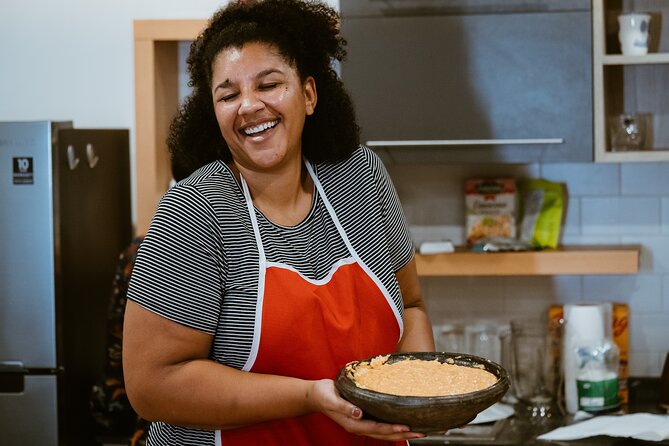
This is a private activity, so only your group takes part. That is a meaningful advantage for a cooking class. You can ask basic questions without holding up strangers, request clarification on a technique, and work at a pace that suits your group.
A private setup can also make the experience more personal for families, couples, or friends with different cooking abilities. If one person is comfortable in the kitchen and another is not, the format should make it easier to share tasks.
The tradeoff is price. At $100 per person, this is not a cheap lunch. The fee covers roughly five hours, ingredients, water, tasting, instruction, and the food you prepare. Since the class is private, you are paying for direct attention as well as the meal. For someone who wants only to eat Ghanaian food, the price may feel high. For someone who wants instruction, recipes, and a meal to take away, the value is easier to justify.
The class also involves standing throughout the cooking session. Five hours is a long time on your feet, so wear comfortable shoes and tell the operator ahead of time about any physical limitation. No separate accessibility arrangements are listed.
Vegetarian cooking and food preferences

Vegetarians are welcome, and vegetarian options are available. This is useful, but the information does not name the dishes or promise a completely separate menu. Contact the operator before the class and explain exactly what you eat.
That advance message also gives you a chance to ask about the expected menu, spice level, meat choices, and the market option. The class has included chicken and goat meat stew in the past, but that does not mean those dishes are mandatory for every group.
Food is both the lesson and the reward here. You receive a tasting during the session and can take home all the food prepared. That makes the experience different from a class where you cook a small sample and leave hungry. Bring suitable containers only if the operator tells you they are needed, since the included details do not explain how takeaway food is packed.
Bottled water is provided at no extra charge. Tips are not included, so plan to tip separately if you feel the service deserves it.
What the strongest feedback tells me
The most consistent positive point is AJ’s manner as a teacher. He is described as thorough, approachable, patient, and clear. Those qualities matter in a cooking class because Ghanaian recipes can be unfamiliar, and the small decisions about seasoning or timing are often where a lesson earns its price.
The food also receives strong praise. Jollof rice appears repeatedly, and waakye, Tuo Zafi, stew, fried rice, and sobolo are all singled out as enjoyable parts of the experience. If you want a class that introduces more than one dish, this range is a good sign, though the exact menu remains something to confirm.
The negative feedback needs equal attention. One complaint says the event felt more like an unsatisfactory cooking class than a full lesson. Another alleges a $200 charge, no ticket, and no useful contact from the operator. That account conflicts with the stated $100 per-person price and the normal confirmation process, but it is still a reason to check the total charge, booking confirmation, and direct contact details before the cancellation deadline passes.
The cancellation policy is strict: the experience is non-refundable and cannot be changed for any reason. I would not book this as a last-minute maybe. Make sure your schedule is firm and your confirmation is in hand.
Who will get the most from this Accra cooking class?
I would recommend it most strongly to people who want to understand Ghanaian food by preparing it, not simply ordering it. It suits curious home cooks, visitors with an afternoon to spare, and anyone who wants recipes and practical instruction to take home.
It may also suit Ghanaians living abroad or returning to Ghana who want to practice dishes such as Tuo Zafi, waakye, or jollof. The class is not limited to complete beginners, since an experienced cook can still ask about traditional methods and seasoning.
The experience is less suitable if you dislike standing, need a fully fixed itinerary, or want a quick one-hour demonstration. It may also disappoint if you expect a large formal cooking school with a guaranteed menu and detailed equipment list. The details point to a personal, host-led lesson rather than a standardized culinary institution.
Booking advice before you pay $100
Use the mobile ticket option, but do not rely on the booking screen alone. Check that you receive confirmation at the time of booking and save the operator’s contact information. Because one serious complaint involves a missing ticket and an unexpected total, verify the number of participants, the per-person rate, and the final amount charged.
Send a short message asking four useful questions:
- What is the exact start time?
- Will we meet at the market or kitchen?
- Which dishes will we prepare?
- Are vegetarian substitutions available for this date?
Also confirm the meeting point at Summer Haven and how the plus code should be used. These small checks take little time and are especially important with a non-refundable booking.
Should you book the Ghanaian cooking class?
Book this class if you want a private, hands-on introduction to Ghanaian cuisine and value patient instruction, a substantial meal, and food to take home. The repeated praise for AJ’s step-by-step teaching and the chance to prepare dishes such as jollof, waakye, Tuo Zafi, stew, and sobolo give it real appeal.
I would book only after confirming the ticket, price, meeting details, and menu directly. The strong food and teaching feedback sits beside a serious service complaint, so this is an experience where careful pre-trip communication is part of making a good decision. For an assured kitchen lesson with a personal feel, it could be a fine use of five hours in Accra. For a casual meal, spend less and simply eat out.
FAQ
Where does the cooking class start and end?
The class starts at Summer Haven, JQ5M+5VC, Accra, Ghana, and ends back at the same meeting point.
How long does the experience last?
The cooking class lasts approximately five hours.
How much does the class cost?
The stated price is $100 per person.
Is the class private?
Yes. Only your group participates in the activity.
Can I visit a market before cooking?
Yes. You can choose to join the group at a local market to buy fresh ingredients or meet directly in the kitchen.
Which Ghanaian dishes might I prepare?
Dishes associated with the class include jollof rice, waakye, Tuo Zafi, Ghanaian fried rice, chicken stew, goat meat stew, and sobolo. The exact menu is not specified.
Are vegetarian options available?
Yes. Vegetarian options are available. Tell the operator about your preference before the class.
What is included in the price?
The price includes bottled water, lunch, food tasting, cooking instructions from the chef, and the ingredients used for cooking. You may take home all the food prepared.
Can I cancel and receive a refund?
No. The experience is non-refundable and cannot be changed for any reason.
Just added around Accra
- Experience Aburi Botanical Gardens And Boti Water Falls In A Day.★ 5.0 · 3 reviews
- Experience Cape Coast Castle and Kakum National Park★ 4.5 · 3 reviews
- Accra city tour★ 4.5 · 3 reviews
- 7days/6nights Eco Tourism★ 5.0 · 3 reviews
- Half-Day City Tour of Accra★ 5.0 · 3 reviews
- 3 Days Accra City Tour & Cape Coast Tour★ 4.5 · 3 reviews
- Local Ghanaian Food Tasting Tours★ 5.0 · 3 reviews
- Accra Zoo, Canopy Walk and Botanical Gardens Private Tour★ 5.0 · 3 reviews
Accra Tours, compared.


Experience the Beauty, History and the Culture Of Accra in a Day
Read our review →
Cape Coast, Elmina Castle & Kakum Park Day Tour
Read our review →


Boti Falls, Umbrella Rock, Aburi Gardens & Cocoa Farm Tour
Read our review →
Browse the lists this tour appears in