
Reviewed · ACCRA TOURS
Historical & Cultural Tour of Ghana, 12 Days
Ghana’s past comes into sharp focus on this 12-day journey, from the Pan-African legacy of W.E.B. DuBois to the slave-trade castles of Cape Coast and Elmina. Along the way, you’ll meet craftspeople, see Ashanti ceremonies, visit markets, and travel in a private air-conditioned vehicle with a guide at your side.
I like the mix of major historic sites and working communities, especially the Teshie coffin workshop and the Cedi bead factory. I also like the strong guiding setup. Guides named in guest feedback include Elvis, Elvus, and Joshua Kosi, with Joseph praised for safe driving on rough roads.
The main drawback is the pace. You cover much of southern Ghana in 12 days, with several long road transfers and plenty of walking. At $4,900 per person, the package offers convenience and structure, but it is a serious investment, so you should value private transport and a full cultural program.
Key points at a glance
- Accra’s layered past: Visit the W.E.B. DuBois Centre, Kwame Nkrumah Mausoleum, Independence Square, and Jamestown.
- Hands-on Ghanaian crafts: Make beads at Cedi Beads Factory and see Kente weaving, wood carving, and brass casting.
- Ashanti royal culture: Tour Manhyia Palace Museum and attend the Akwasidae Festival, when scheduled.
- The Volta River and Lake Bosomtwe: Enjoy two very different water settings, one linked to hydroelectric power and the other to Ashanti belief.
- A difficult but essential history: Enter Cape Coast Castle, Elmina Castle, and Assin Manso Slave River.
- Forest and coast in one trip: Walk Kakum National Park’s canopy walkway, then explore fishing towns and markets.
Why this Ghana tour works so well
This is not a quick city break. It is a broad introduction to Ghana, built around the country’s major historic and cultural sites. You begin in Accra, move east toward the Volta River, head north to Kumasi, then turn south toward the Central Region before returning to Accra.
That route gives you useful context. You see how modern Ghana connects to its colonial past, how Ashanti traditions remain active, and how coastal forts fit into the wider story of the Atlantic slave trade. The guide is especially important here. A castle visit without explanation can feel like a series of bare rooms. With good interpretation, the sites become easier to understand and much harder to forget.
The group is capped at 15 people, while transport is provided in a private vehicle. That is a good middle ground. You avoid the rigid feel of a large coach, but you also do not have to arrange every transfer yourself. Airport pickup and drop-off are included, as are 11 hotel nights, breakfast each morning, one dinner, listed admissions, and the services of an experienced guide.
More history visits around Accra:
- Experience the Beauty, History and the Culture Of Accra in a Day
★ 5.0 · 323 reviews - Ghana Heritage Tours – Beyond The Return
★ 5.0 · 36 reviews - 10 Days Ghana Cultural and Heritage Trip
★ 5.0 · 31 reviews
Accra begins with independence and identity
Your first evening is simple. You are met at Kotoka International Airport, transferred to your hotel, and briefed by the guide who remains with you during the trip. Dinner is included on arrival day, which is helpful after a flight.
Day 2 introduces Accra through several different lenses. The W.E.B. DuBois Centre honors the American scholar and Pan-Africanist who chose to live and work in Ghana. It is a useful first stop because it links Ghana to the wider African diaspora and to the idea of African self-determination.
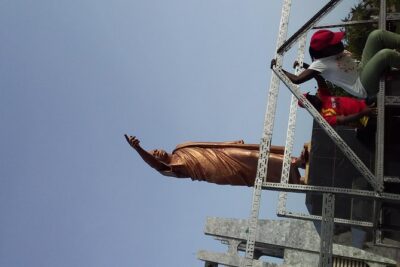
The Kwame Nkrumah Mausoleum and Independence Square shift the focus to Ghana’s own independence story. Nkrumah was central to Ghana’s independence from British rule, and the square’s enclosed flame recalls the country’s status as the first sub-Saharan African nation to gain independence from colonial rule.
Jamestown adds a more local, lived-in side of Accra. The old district includes colonial-era structures and a fishing community where daily work continues beside historic buildings. Bring water, wear practical shoes, and expect a day that mixes formal monuments with busy city streets.
Teshie coffins and the road to Akosombo
On Day 3, you leave Accra for Akosombo, but the first stop is still within the capital: a Teshie coffin workshop. These are not ordinary wooden boxes. Artisans make coffins shaped like objects linked to a person’s work, interests, or aspirations, including vehicles, animals, food, and other forms.
The custom grew from palanquins made for chiefs. A palanquin shaped like a cocoa pod was used as a coffin after its owner died before a festival. The idea later developed into the colorful custom associated with Teshie. It offers a clear example of how Ghanaian funerary traditions can express personality, status, and belief.
The workshop visit is a strong part of the program because it is specific and human. You are not simply looking at an old building. You are seeing a craft still being made.
The road continues east to Akosombo, on the Volta River. This section is scenic, but road conditions can be uneven. One former passenger singled out Joseph, the driver, for careful handling on bumpy roads. That detail matters. Long drives are more pleasant when the driver is steady, patient, and familiar with the route.
Beads, glass, and the Volta River
Day 4 takes you to Krobo Odumase and the Cedi Beads Factory. Here, you watch beads made from specially prepared glass and have the chance to design your own using traditional Krobo methods.
Beads have been used in Ghana for ceremonies tied to birth, adulthood, marriage, and death for centuries. The visit helps you see beads as more than souvenirs. They carry social meaning and can mark important stages of life.
The hands-on element is a real advantage. You do not just browse a shop at the end. You see the process and take part in it. If you want gifts, this is also one of the better places in the program to buy something directly connected to the craft you have just seen.
The day also includes a tour connected with the Akosombo Hydroelectric project. The combination is worthwhile: one stop explains a modern source of national power, while the other focuses on a long-standing artistic tradition. You get both engineering and handwork in the same region.
A few more Accra days to weigh up
- The Cape Coast Day Tour
★ 5.0 · 525 reviews - The Cape Coast Tour
★ 5.0 · 177 reviews - From Accra: Cape Coast, Elmina Castle & Kakum Park Day Tour
★ 4.6 · 144 reviews - Accra Detailed City Tour
★ 4.5 · 118 reviews
Kumasi and the living craft traditions of Ashanti country
Day 5 is a major transfer day as you travel from Akosombo to Kumasi through Ghana’s forest zone. Kumasi is the center of Ashanti culture, and the journey brings you into the former Ashanti Empire.
Near Ejisu, you visit three craft villages. At Adanwomase, weavers make Kente cloth on traditional looms. Watch the patterns develop thread by thread, then allow time for purchases. Kente is not just decorative fabric. Its colors, patterns, and use can carry social and ceremonial meaning.
The other craft villages focus on wood carving and pottery. The setting is different from modern Kumasi, with workshops in smaller communities surrounded by countryside. This is one of the tour’s best chances to see how skills pass from one generation to the next.
You should expect time spent standing, walking, and watching demonstrations. Prices at craft stops are not specified, so bring some local currency if you hope to buy. You will also want room in your luggage. A Kente purchase is far more useful when you have planned for it.
Manhyia Palace and the Akwasidae Festival
Day 6 centers on Manhyia Palace Museum, the former official residence of Ashanti kings until 1974. The museum contains objects linked to the Ashanti Kingdom and gives you a stronger grounding in the monarchy, its leaders, and its symbols.
The major event is the Akwasidae Festival. When it takes place during your visit, you see Ashanti pageantry at close range: the king appears in ceremonial dress, rides in a palanquin, and wears gold ornaments. This is not a staged performance created for sightseeing. It is a living royal and religious tradition.
Because festival details can depend on the calendar, confirm the planned date before booking if Akwasidae is a main reason for choosing this trip. If the timing works, it may be the tour’s most memorable cultural event. Dress respectfully and follow your guide’s instructions about where to stand and when to take photographs.
The Golden Stool, brass casting, and Kumasi’s symbols
Day 7 stays in Kumasi and adds two distinctive stops. At the Okomfo Anokye sword site, you hear the story of the Golden Stool, a central symbol of Ashanti unity. According to tradition, the stool descended from the sky, while the sword has remained in place for centuries. The belief that the Ashanti kingdom would collapse if the sword were removed gives the site unusual power.
You then visit Sokoban Krofrom, where brass casting has supported local families for generations. The workshops produce beads, jewelry, and other objects. Again, the value is in seeing the work itself, not only the finished item.
Kumasi can feel busy and crowded compared with the craft villages, and this part of the itinerary involves several cultural explanations in a short period. The guide’s skill makes a difference. Previous guide names connected with this program include Elvis and Joshua Kosi, both noted for clear answers and strong knowledge of Ghanaian places and events.
Lake Bosomtwe and Assin Manso
Day 8 is another long road day, taking you south toward Elmina and Cape Coast. The stop at Lake Bosomtwe breaks up the journey with a quieter setting.
Lake Bosomtwe is Ghana’s largest natural freshwater lake and is sacred to the Ashanti. Fishing, swimming, and water sports also make it a popular leisure area. You can walk along the beach, meet fishing families, and learn about the lake’s place in local life.
After lunch, the route continues to Assin Manso Slave River. This site changes the mood sharply. It is connected to the forced movement of enslaved Africans before they were taken to the coast. The location gives you an important link between inland communities and the castles you visit later.
This is a day when the private vehicle matters. The route is long, and you should expect time on the road. Wear comfortable clothing, keep water close, and use sunscreen. One passenger’s practical advice was simple: bring a hat, drink plenty of water, and dress for walking.
Elmina’s market, harbor, and fishing life
Day 9 takes you into Elmina, beginning at Kotokoraba Market. The market has long been an economic center for the region, with stores and trade clustered around it. It is a working market, not a polished display for visitors, so stay close to your guide and be alert in crowded areas.
The harbor adds another layer. Colorful fishing boats bring in the daily catch, and you can watch the activity around the waterfront. The contrast between the market, the fishing community, and the old fortifications helps you understand Elmina as a living town rather than only a historic stop.
You may find the atmosphere intense, especially if you are not used to busy African markets. That is part of the point, but it also means this is not a quiet sightseeing day. Keep valuables secure, ask before photographing people, and let your guide handle local introductions.
Cape Coast Castle and Elmina Castle
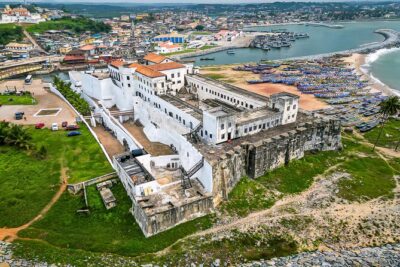
Day 10 is the emotional center of the trip. Cape Coast Castle is a UNESCO World Heritage site and one of the most important places connected to the history of the Atlantic slave trade.
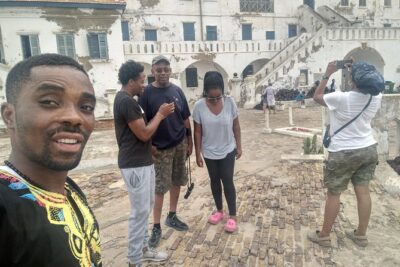
Inside, you see the dungeons, the museum, and the Door of No Return. The experience is difficult, and it should be. The castle’s architecture is stark against the human suffering that took place there. Allow yourself time to listen rather than rushing from room to room.
The program also includes Elmina Castle, another World Heritage site. Seeing both castles helps you compare their roles and layouts, while the guide supplies the historical links that a short independent visit might miss.
The day is not light entertainment. Some people may find the subject painful, particularly those visiting Ghana as part of a personal or family connection to the African diaspora. That does not make the visit less worthwhile. It makes preparation important. Read a little beforehand, wear comfortable shoes, and give yourself quiet time afterward.
Kakum’s 150-foot canopy walkway
Day 11 brings a welcome change of pace at Kakum National Park. You begin with a short forest-floor walk, where the guide explains how people traditionally lived in the forest. The park is home to more than 40 species of mammals, along with birds, butterflies, monkeys, and the possibility of seeing the reclusive forest elephant.
The main attraction is the canopy walkway, an aerial route about 1,000 feet long with viewing platforms more than 150 feet above the ground. The height adds excitement, but it may not suit anyone uncomfortable with suspended bridges. The program does not promise wildlife sightings, so think of the forest and elevated views as the main experience.
You also stop at Abandze, described as an ancestral village. This links the natural environment to the people and communities who have lived around it.
The park day includes walking, stairs, and uneven ground. Good footwear is more useful than stylish footwear here. This is another reason the tour’s full schedule can feel demanding, especially after several historic sites and long drives.
A final afternoon in Accra
Day 12 is left flexible, with the driver and guide helping you choose among sights you have not yet seen, time permitting. That flexibility is useful because the preceding days cover a lot of ground and you may want to return to a favorite part of Accra.
Two suggested options are Osu’s Oxford Street and Makola Market. Oxford Street is a good choice for African clothing, handmade jewelry, and accessories. Makola is Accra’s large open market, divided into sections where you can practice bargaining.
Your airport transfer is included that evening. Check your departure time carefully before committing to a final outing, since traffic and market visits can take longer than expected. A flexible final day is a nice touch, but it is not a substitute for a full extra sightseeing day.
What the $4,900 price really covers
At $4,900 per person, this is not a budget Ghana trip. The value comes from the amount of logistics handled for you: 11 hotel nights, private transportation, airport transfers, a guide throughout, breakfast each morning, one dinner, and admission to listed sites.
You are also paying for a carefully connected route. Arranging Accra, Akosombo, Kumasi, Lake Bosomtwe, Assin Manso, Elmina, Cape Coast, and Kakum independently would take time, especially when coordinating long road journeys and local guides.
Still, the package does not include visa costs, travel insurance, unlisted meals, or gratuities. Most lunches and dinners are therefore additional expenses. The hotel properties are described as included but not named in the supplied details, so ask for the exact hotels before paying if room location, comfort, or amenities matter to you.
The cost makes the most sense for a first visit, a family group, or anyone seeking a structured Ghana and African diaspora itinerary without managing transport. Independent visitors who prefer slower days and local public transport may find the price harder to justify.
Who should book this trip?
You should consider it if you want Ghana’s major cultural and historic sites in one organized journey. It suits people interested in Pan-African history, Ashanti traditions, craft production, colonial forts, the slave trade, markets, and nature.
It also suits families and first-time visitors who want airport assistance, a private vehicle, and one guide who can explain the country as you move through it. The small maximum group size should make questions and personal attention easier than on a large coach tour.
You may want a different style of trip if you dislike long drives, walking, humid outdoor conditions, or emotionally difficult historic sites. The schedule is full, and free time is limited until the final day.
Free cancellation is available if you cancel at least 24 hours before the local start time. Poor weather can also lead to a different date or a full refund. Those terms are useful, but you should still arrange travel insurance for the wider trip.
FAQ
Where does the tour start and finish?
The tour starts and ends in Accra, Ghana. Airport pickup and the transfer back to the airport are included.
How long is the experience?
The tour lasts approximately 12 days and includes 11 nights of hotel accommodation.
What is the tour price?
The listed price is $4,900 per person.
Is transportation included?
Yes. Transportation is provided in a private vehicle, and round-trip airport and hotel transfers are included.
Are meals included?
Breakfast is included on all 11 mornings, and dinner is included on the first evening. Other meals are not included unless specifically listed.
What major historic sites are included?
The program includes the W.E.B. DuBois Centre, Kwame Nkrumah Mausoleum, Independence Square, Manhyia Palace Museum, Assin Manso Slave River, Cape Coast Castle, and Elmina Castle.
Is the Akwasidae Festival included?
The itinerary includes attendance at the Akwasidae Festival. Festival timing can depend on the date of your visit, so confirm that it will take place during your departure.
How large is the group?
The experience has a maximum of 15 participants. Most people can take part, according to the supplied tour information.
Should you book the Historical and Cultural Tour of Ghana?
Book it if you want a guided, full-picture introduction to Ghana and place a high value on private transport, airport support, and historical interpretation. Its strongest moments are the Ashanti cultural sites, the Teshie coffin workshop, the Cedi bead-making visit, and the difficult but necessary castle tours.
Before booking, confirm the hotels, festival date, daily driving times, and what is served at meals. If you are comfortable with a busy schedule and a premium price, this tour gives you an unusually broad introduction to Ghana in 12 days. If you prefer to linger, choose your own restaurants, or spend several days in one place, plan a slower independent trip instead.
Just added around Accra
- Experience Aburi Botanical Gardens And Boti Water Falls In A Day.★ 5.0 · 3 reviews
- Experience Cape Coast Castle and Kakum National Park★ 4.5 · 3 reviews
- Accra city tour★ 4.5 · 3 reviews
- 7days/6nights Eco Tourism★ 5.0 · 3 reviews
- Half-Day City Tour of Accra★ 5.0 · 3 reviews
- 3 Days Accra City Tour & Cape Coast Tour★ 4.5 · 3 reviews
- Local Ghanaian Food Tasting Tours★ 5.0 · 3 reviews
- Accra Zoo, Canopy Walk and Botanical Gardens Private Tour★ 5.0 · 3 reviews
Accra Tours, compared.
Experience the Beauty, History and the Culture Of Accra in a Day
Read our review →
Cape Coast, Elmina Castle & Kakum Park Day Tour
Read our review →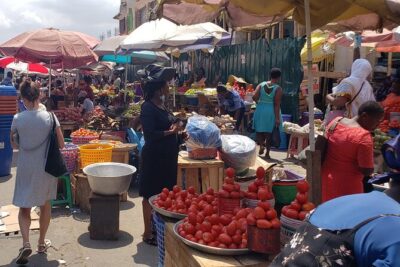
Boti Falls, Umbrella Rock, Aburi Gardens & Cocoa Farm Tour
Read our review →
Browse the lists this tour appears in