
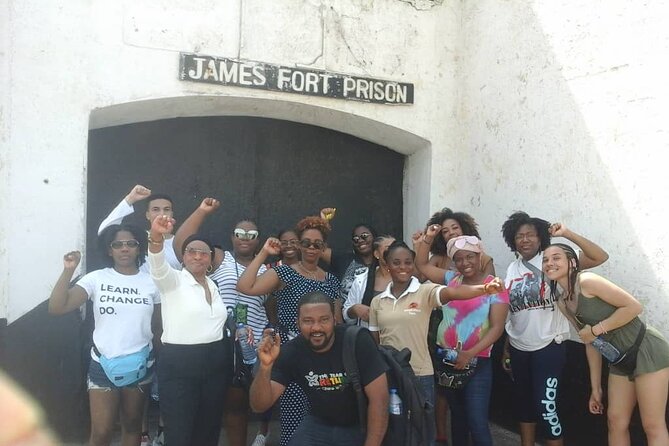
Reviewed · ACCRA TOURS
Ghana Heritage Tours – Beyond The Return
Ghana’s story comes into sharp focus on this eight-day journey from Accra to Cape Coast, where you move from national independence sites and Ashanti royal history to slave-trade castles and a traditional naming ceremony. The most meaningful moments come when the past becomes personal, especially at Assin Manso, Cape Coast Castle, and the village welcome ceremony.
I like the way the tour combines serious history with hands-on culture: you can watch beads being made, meet kente weavers, print your own adinkra cloth, and have clothing made by a local tailor. I also like the practical setup, with hotels, meals, airport transfers, an air-conditioned vehicle, water, and a guide included. The main consideration is the price, $3,595 per person, and the pace. Several days involve long road journeys and emotionally difficult sites.
Key points to know before booking
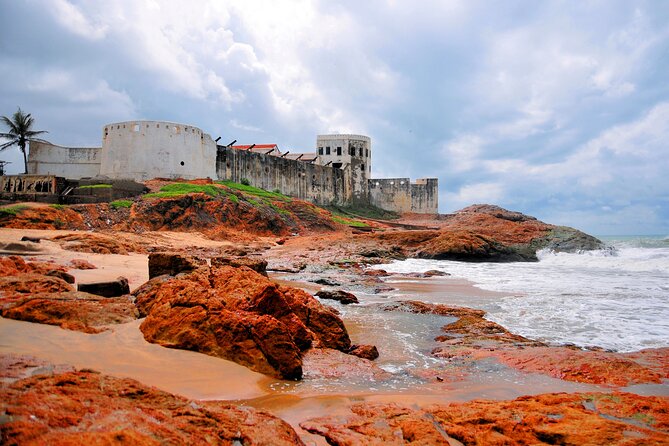
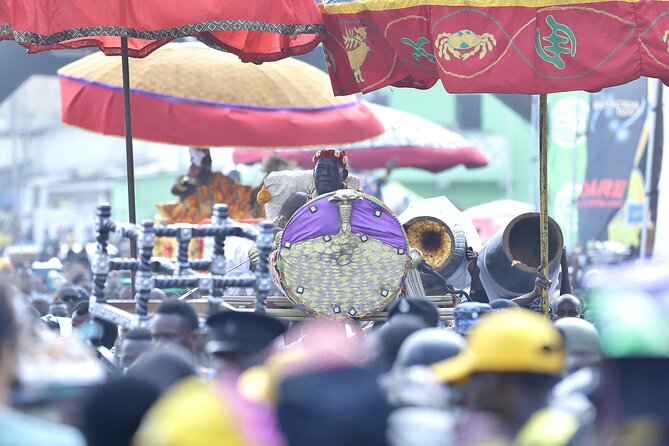
- Your African naming ceremony is the emotional centerpiece: Chiefs, queen mothers, and elders welcome you with libation, drumming, dancing, and a personal traditional name.
- The route covers Ghana’s major heritage sites: Accra, Aburi, Kumasi, Assin Manso, Cape Coast, and Elmina are all part of the eight-day plan.
- You get more than museum visits: Beadmaking, kente weaving, adinkra printing, tailoring, markets, and village life give the tour a practical cultural side.
- The cost includes nearly all on-the-ground expenses: Hotels, breakfast, lunch, dinner, excursions, fuel, transfers, water, and private transport are covered.
- The history can be heavy: Cape Coast Castle, Elmina Castle, and Assin Manso require time, care, and emotional preparation.
- The trip is private: Only your own group participates, though group discounts may be available.
What this Ghana heritage journey is really about
This is not a quick city tour with a few photo stops. It is designed as a heritage journey, with Ghana’s political history, Ashanti traditions, Pan-African connections, crafts, and the transatlantic slave trade linked into one route.
The trip begins and ends in Accra, but much of its meaning comes from the road between the capital, Kumasi, and the coast. You will spend time in museums and royal sites, yet you will also sit with artisans, visit working markets, and take part in a ceremony meant to welcome you to the land of your ancestors.
The tour is private, and that matters. Your guide can answer questions as they come up, help with shopping, and adjust free periods to your group’s interests. Alex is named as one of the guides connected with the operation, along with Eric and the wider Ashanti African Tours team.
The schedule also leaves room for evenings in town. Those outings are optional, so you can join the group for Accra, Kumasi, or Cape Coast nightlife, or stay at the hotel and rest.
More history visits around Accra:
- Experience the Beauty, History and the Culture Of Accra in a Day
★ 5.0 · 323 reviews - 10 Days Ghana Cultural and Heritage Trip
★ 5.0 · 31 reviews - Cape Coast Historical Day Tour
★ 5.0 · 24 reviews
Day 1: Arriving in Accra and getting your bearings
Your airport transfer begins the experience in a simple, useful way. Look for the Ashanti African Tours sign after leaving the arrival hall, where the team welcomes you with Akwaaba, a Ghanaian greeting meaning welcome.
You are taken to your hotel for check-in, freshening up, and a first dinner together. This meal is used to discuss the journey ahead, which is helpful after an international flight and gives you a chance to ask practical questions.
The evening is flexible. You can stay at the hotel or head into Accra for an introduction to the city’s nightlife. Since the first day is essentially a full arrival day, do not expect a packed sightseeing schedule. That is a plus if you want time to recover from the flight.
Day 2: Accra’s independence story, markets, and James Town
The National Museum of Ghana is a sensible first sightseeing stop. Its displays cover Ghana and other parts of West Africa, with an emphasis on culture and everyday traditions rather than only political figures and dates.
Give yourself time to look at the adjoining sculpture garden. Your guide can explain how the works relate to regional customs and beliefs. The museum area is also useful for shopping, especially if you want African fabric or plan to have an outfit made during the tour.
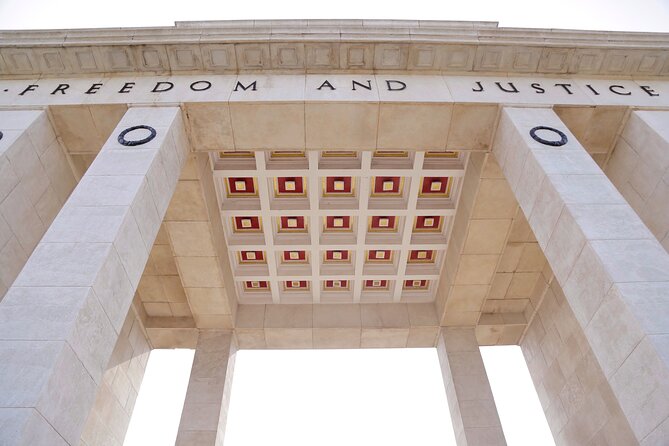
Next comes the Kwame Nkrumah Memorial Park and the nearby Independence Square. The Black Star Gate and enclosed liberation flame connect Ghana’s modern identity to independence from Britain in 1957. The memorial museum adds photographs and personal objects related to Kwame Nkrumah, Ghana’s first prime minister and president.
The National Cultural Center beside the park is one of the main shopping stops. It is an outdoor arts and crafts market with goods from across West Africa. Shopping here is more enjoyable with a guide who can help you compare items and handle the practical side of buying fabric and crafts.
In the afternoon, you walk through James Town, one of Accra’s oldest neighborhoods. The British lighthouse, fishing boats, and old trading structures help explain how the coastal settlement developed before and during colonial rule.
Fort James dates from 1673 and gave the neighborhood its name. This is a walking stop, so wear comfortable shoes and carry water, even though unlimited mineral water is provided as part of the tour. James Town is a lived-in community, not a preserved museum district, and the experience is strongest when you pay attention to daily life as well as the old buildings.
Back at the hotel, you can be measured for clothing. A professional tailor and seamstress can use fabric you select or help you choose a design. If you want to wear the outfit at the naming ceremony celebration, allow enough time for the clothing to be prepared.
Day 3: Pan-African history and the Akuapem hills
The W.E.B. DuBois Center gives the tour a wider international frame. DuBois, an American Pan-Africanist, spent his final years in Ghana, and the center includes his former home, burial place, library, and research facilities.
This is a compact visit, but it carries weight. DuBois’s connection to Ghana shows how the country became an important center for Pan-African thought and independence movements.
At T.K. Beads, you see how traditional beads are made and learn about their place in West African life. Beads can signal beauty, wealth, and social standing, and they are often worn for important occasions. There is a shop on site, so this is an easy place to buy a small, useful reminder of the day.
The road then climbs into the Akuapem hills to Aburi Botanical Gardens. The setting gives you broad views toward Accra, and the gardens contain both local and introduced plants. Your guide identifies trees and plants and explains their medicinal uses in Ghanaian life.
The garden visit lasts less than an hour, so think of it as a scenic pause rather than a long botanical tour. Nearby Aburi Crafts Village adds a hands-on stop, where you can watch craftsmen work on drums, sculptures, and other traditional objects. The tour information notes that prices here are among the lowest in Ghana, but you should still compare quality and agree on prices before buying.
A few more Accra days to weigh up
- The Cape Coast Day Tour
★ 5.0 · 525 reviews - The Cape Coast Tour
★ 5.0 · 177 reviews - From Accra: Cape Coast, Elmina Castle & Kakum Park Day Tour
★ 4.6 · 144 reviews - Accra Detailed City Tour
★ 4.5 · 118 reviews
Days 4 and 5: Kumasi, Ashanti power, and handmade cloth
Kumasi is the center of the Ashanti portion of the tour. At Manhyia Palace Museum, you learn about the Asantehene, the Ashanti king, and the former Ashanti Empire. The museum helps explain royal authority, ceremony, and the lasting importance of Ashanti identity.
The Prempeh II Jubilee Museum at the National Cultural Centre gives you another look at Ashanti history through older artifacts. Visiting both museums can feel repetitive if you prefer a fast pace, but together they provide a fuller picture than either one alone.
Kejetia Market shifts the focus from royal history to ordinary commerce. It is described as one of West Africa’s largest outdoor markets, with tightly packed stalls and trade continuing for much of the day. This is a good place to see how Kumasi works, but it can feel crowded and confusing. Stay close to your guide and keep your belongings secure.
The Okomfo Anokye Sword Site connects history with legend. The sword is linked to Okomfo Anokye, the priest associated with the founding of the Ashanti kingdom and the Golden Stool. Tradition says he planted it in the ground as a symbol of unity, and it has remained there despite attempts to remove it.
You have an optional evening in Kumasi. This is a useful break after a full day of sites, and you can choose nightlife or a quiet hotel evening.
Day 5 moves into the countryside and traditional Ashanti building styles. The Asante traditional buildings are UNESCO World Heritage Sites, with earth architecture and decoration tied to local beliefs. The stop also connects to Nana Yaa Asantewaa, the Ashanti queen mother and warrior who led resistance against the British in 1901.
At Adanwomase, you see kente cloth made on traditional looms. The weavers explain the meaning behind different patterns, and you can watch the work being done in the community. This is one of the tour’s strongest craft visits because the cloth is not simply displayed for sale. You see the skill and time behind it.
Ntonso is the home of adinkra cloth and symbols. The designs are carved from calabash shells and printed with natural dyes made from tree bark. Adinkra symbols carry specific meanings and are used for funerals, festivals, and other important occasions.
You can make your own strip of adinkra cloth by choosing symbols with personal meaning. That small activity gives you a better sense of how the designs function than simply buying a finished item.
The two craft villages are also shopping stops. If you want quality kente or adinkra, this is the time to buy it. Ask your guide about designs, fabric quality, and fair pricing before making a purchase.
Day 6: Assin Manso and Cape Coast Castle
Day 6 is the emotional center of the historical portion of the tour. At Assin Manso Ancestral Slave River Park, you visit a place along the route used to transport enslaved Africans from the north toward the coast.
The Ndonkor Nsuo, or Slave River, was used to bathe and examine enslaved people before they were taken onward to Cape Coast. Many had already walked hundreds of miles in chains. The stop is quiet and reflective, and it can be difficult to process.
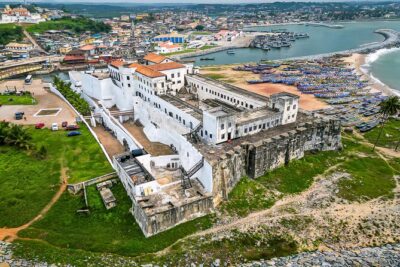
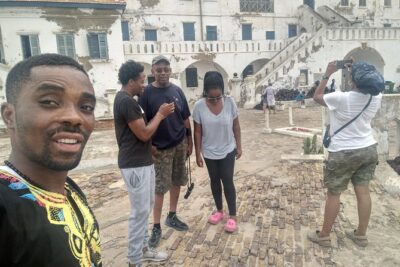
Cape Coast Castle brings the story into sharper physical form. The castle held up to 1,300 African men, women, and children in its dungeons before they were forced through the Door of No Return and transported across the Atlantic.
Plan for a serious visit, not a quick sightseeing stop. The tour allows two hours, giving you time to see the dungeons, castle church, governor’s areas, and other rooms with a guide. The location below a place of worship is especially disturbing because it shows how ordinary religious and administrative life existed directly above the suffering of imprisoned people.
After the castle, you check into a beachfront hotel in Elmina. Dinner overlooks the coast and gives you a chance to sit quietly with the day’s events. The contrast between the open sea, fishing life, and the castle’s past can be powerful, but it is not light entertainment.
Day 7: Kakum and your traditional naming ceremony
Kakum National Park offers a change of pace. The canopy walkway crosses seven bridges attached to tall trees about 40 meters above the rainforest floor.
If you are uneasy with heights, this is the stop to consider carefully. The walkway is suspended, and the route includes viewing platforms. You should wear suitable shoes and take your time. For many people, the views across the forest make this one of the most memorable outdoor parts of the tour.
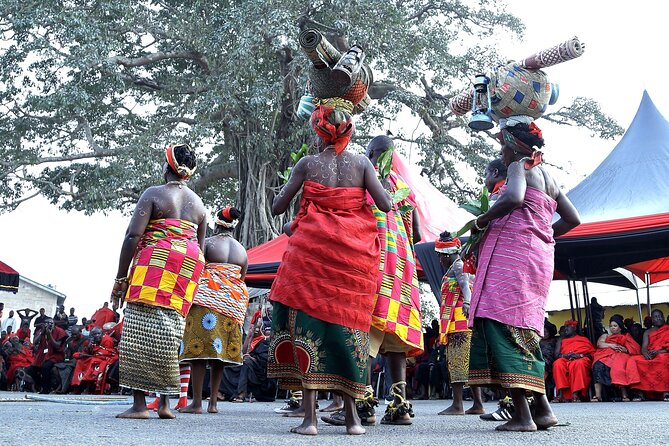
The naming ceremony is the most personal event of the trip. You visit a local village and pay respects to chiefs, queen mothers, and elders. Libation is poured to welcome you, followed by drumming and dancing.
The ceremony formally gives you an African name. It is presented as a return to the land from which your ancestors were taken, so the meaning is personal and spiritual rather than simply theatrical. Approach it with respect, listen closely, and follow the guidance of the elders and your guide.
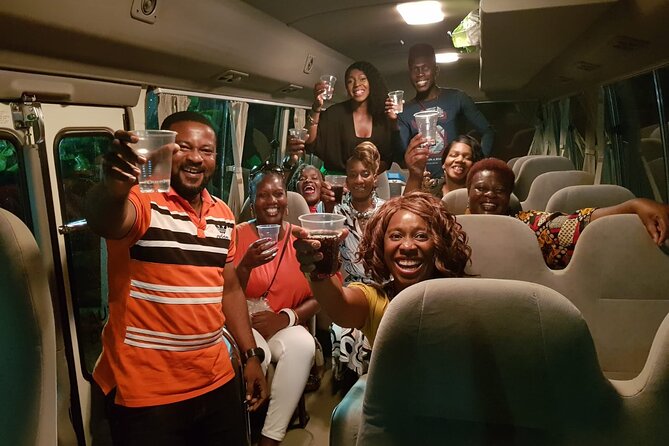
That evening, you return to the hotel, eat dinner, and prepare for a celebration in Cape Coast. If you ordered clothes earlier, this is the planned time to wear them. The nightlife is optional, but joining the celebration can give the naming ceremony a fitting close.
Day 8: Elmina Castle and the journey back to Accra
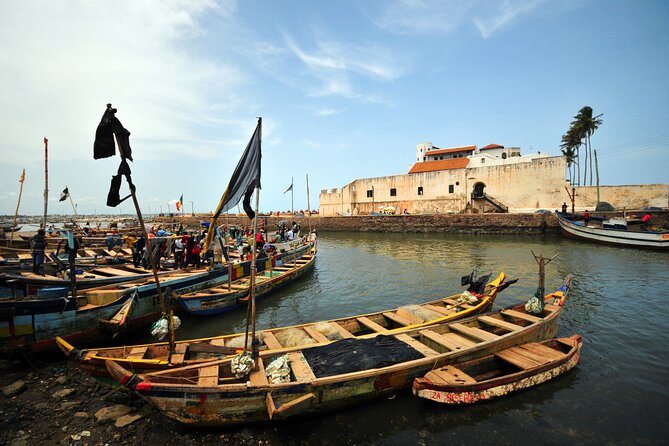
Elmina Castle dates from 1482 and is the oldest surviving colonial building in sub-Saharan Africa. Its museum focuses on local history, while the castle itself shows how European trade and the slave trade operated along the coast.
You also visit the fishing market and boat builders in Elmina. This keeps the town from being reduced to a single historical chapter. Fishing remains part of local life, and the boats provide a useful link between the present-day community and the coast’s long trading history.
The journey then returns to Accra for an early evening meal and farewells. Airport transfer or transfer to a prearranged Accra location follows. Because the final day includes both sightseeing and a road journey, keep your flight plans aligned with the stated departure arrangements rather than assuming you can leave at any time.
What the $3,595 price includes
At $3,595 per person, this is a costly trip, but the price covers far more than admission tickets. Included are accommodation, seven breakfasts, seven lunches, eight dinners, airport transfers, an air-conditioned vehicle, fuel, an experienced driver, an expert local guide, unlimited mineral water, excursion fees, and the naming ceremony.
Insurance and 24-hour office support are also included. That package reduces the number of daily decisions you need to make, especially on a route that covers several regions.
International flights, visas, and soft or alcoholic drinks are extra. You should also allow a separate budget for fabric, clothing, beads, crafts, and market purchases.
The value depends on how much structure you want. If you prefer independent travel and inexpensive local transport, the price will feel high. If you want private transport, organized hotels and meals, local guidance, and a carefully arranged heritage program, the package is easier to justify.
Who should book this tour
I would recommend it most strongly to someone with a serious interest in Ghanaian and African American heritage, Pan-African history, Ashanti culture, and the transatlantic slave trade.
It also suits you if you want a first Ghana visit with the practical work handled for you. Airport transfers, meals, fuel, and hotels are built in, and the private format gives your group more control than a large coach tour.
This is less suited to someone seeking a slow beach holiday or a short Accra break. The days can be full, the drives take time, and the castle visits are emotionally demanding. The optional nightlife helps balance the program, but rest periods matter too.
The tour requires good weather and a minimum number of participants. You can cancel for a full refund up to three full days before the start time. Late changes are not accepted, so keep those terms in mind when arranging flights.
Should you book Ghana Heritage Tours: Beyond The Return?
Book it if you want Ghana’s history to be personal, local, and connected across several regions. The best parts are the naming ceremony, the Ashanti craft villages, the thoughtful castle visits, and the chance to move beyond monuments into markets, workshops, and living communities.
Before paying, confirm the exact hotel names, daily driving times, guide assignment, and how tailor orders are handled. Also make sure you are comfortable with the price and with the emotional weight of the coastal sites.
For a traveler seeking a well-organized heritage journey with nearly all major costs bundled together, this is a strong choice. For a flexible independent trip, it is more structure and expense than you may need.
FAQ
How long is the Ghana Heritage Tours experience?
The tour lasts approximately eight days, beginning in Accra and returning to Accra on the final day.
What locations does the tour visit?
The route includes Accra, Aburi, Kumasi, Assin Manso, Cape Coast, and Elmina.
Is airport pickup included?
Yes. Airport transfers are included, and the tour team meets arriving participants in the airport arrival area.
Are accommodation and meals included?
Yes. Accommodation is included along with breakfast on seven days, lunch on seven days, and eight dinners.
Is the tour private?
Yes. Only your group participates in the private tour or activity.
What is included in the transportation?
An air-conditioned vehicle, an experienced driver, fuel, and unlimited mileage are included. Unlimited mineral water is also provided.
Is the traditional African naming ceremony included?
Yes. The ceremony is included and takes place in a local village with chiefs, queen mothers, and elders.
What is not included in the tour price?
International flights, a visa, and soft or alcoholic drinks are not included. You should also plan separately for personal shopping and tailor-made clothing.
Just added around Accra
- Experience Aburi Botanical Gardens And Boti Water Falls In A Day.★ 5.0 · 3 reviews
- Experience Cape Coast Castle and Kakum National Park★ 4.5 · 3 reviews
- Accra city tour★ 4.5 · 3 reviews
- 7days/6nights Eco Tourism★ 5.0 · 3 reviews
- Half-Day City Tour of Accra★ 5.0 · 3 reviews
- 3 Days Accra City Tour & Cape Coast Tour★ 4.5 · 3 reviews
- Local Ghanaian Food Tasting Tours★ 5.0 · 3 reviews
- Accra Zoo, Canopy Walk and Botanical Gardens Private Tour★ 5.0 · 3 reviews
Accra Tours, compared.
Experience the Beauty, History and the Culture Of Accra in a Day
Read our review →
Cape Coast, Elmina Castle & Kakum Park Day Tour
Read our review →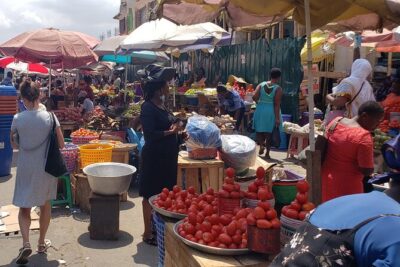
Boti Falls, Umbrella Rock, Aburi Gardens & Cocoa Farm Tour
Read our review →
Browse the lists this tour appears in