
Reviewed · ACCRA TOURS
10 Days Ghana Cultural and Heritage Trip
Ghana’s past comes into sharp focus on this ten-day journey, from Accra’s independence monuments to the dungeons of Cape Coast and Elmina. The most affecting stop is Assin Manso, where you walk barefoot to the Slave River in remembrance of those taken from their homeland.
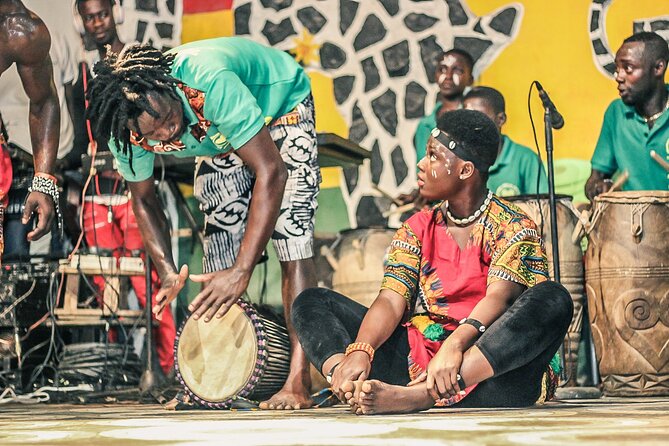
I like the small maximum group of 10, which makes long drives and serious discussions easier to manage. I also like the mix of history and living culture: a naming ceremony, Kente weaving, market visits, and time with local traditions keep this from becoming only a tour of museums.
The main consideration is the price, $3,500 per person, which is a substantial investment. Several days also involve long cultural visits and emotionally heavy subject matter, so this trip suits you best if you want depth and structure rather than a relaxed beach holiday.
Key points to know before booking

- Assin Manso offers the most personal moment: Walk barefoot to the Slave River and visit the Memorial Wall of Return.
- The castles are essential but difficult: Cape Coast and Elmina explain the slave trade through dungeons, courtyards, and the Door of No Return.
- Kakum adds a welcome change of pace: Cross a rainforest canopy walk after several history-focused days.
- Living traditions are part of the plan: Take part in a Ghanaian naming ceremony and learn the meaning behind Kente cloth.
- Nana leads the local team: The experience is offered in English, Spanish, and French, with a maximum of 10 participants.
- The tour is practical: Airport pickup, an air-conditioned vehicle with Wi-Fi, eight breakfasts, four lunches, and dinner are included.
A serious introduction to Ghana in 10 days
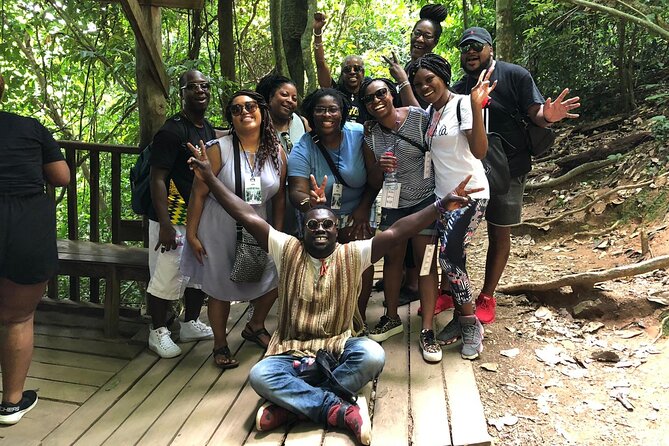
This is a heritage trip first, with nature and cultural activities woven through it. You begin in Accra, travel west to the Cape Coast and Elmina area, continue to Assin Manso, then head inland to Kumasi before returning to Accra.
That route gives you a useful sense of Ghana’s different identities. Accra presents the country as a modern capital and center of independence. Cape Coast and Elmina confront you with the Atlantic slave trade. Kumasi opens the door to Asante history, royal traditions, markets, and cloth-making.
The schedule is fairly full, but individual sightseeing periods are not rushed on paper. Most listed stops run from 45 minutes to two hours. You should still expect road time between regions, and the experience is better suited to someone who enjoys moving from place to place than someone who wants a slow stay in one town.
You meet the group and the in-country leaders at a welcome dinner on the first evening. Airport pickup at Kotoka International Airport is included, which removes one early source of hassle after a long flight.
More history visits around Accra:
- Experience the Beauty, History and the Culture Of Accra in a Day
★ 5.0 · 323 reviews - Ghana Heritage Tours – Beyond The Return
★ 5.0 · 36 reviews - Cape Coast Historical Day Tour
★ 5.0 · 24 reviews
Accra’s independence story, markets, and museums
Your first full sightseeing day brings four different views of Accra.
At Kwame Nkrumah Memorial Park, you see the burial place of Ghana’s first president. The displays include personal belongings, photographs, correspondence, and the smock Nkrumah wore when declaring independence. Allow about an hour. This is a useful opening stop because it places modern Ghana within the wider African independence movement.
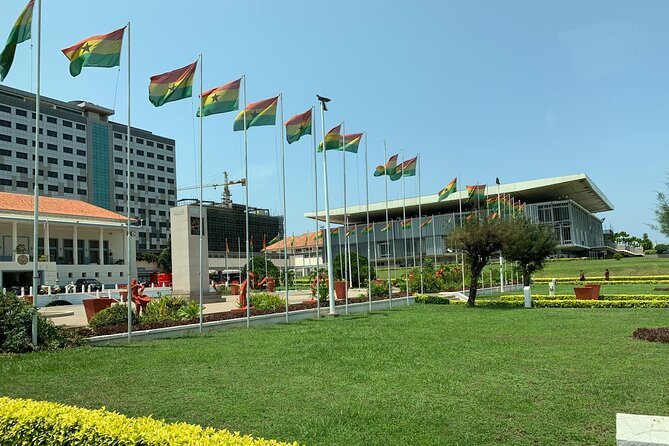
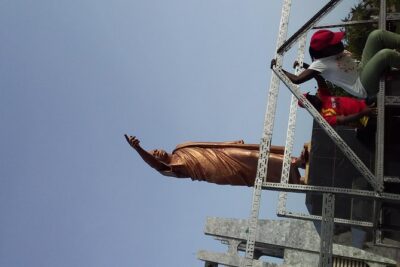
Independence Square, also called Black Star Square, is a broad ceremonial space used for the country’s Independence Day parade on March 6. The Independence Arch, Black Star Gate, and Liberation Day Monument mark the struggle that led to independence. The stop lasts about 40 minutes, giving you enough time to understand the setting without turning it into a long architectural visit.
Makola Market is a different kind of history lesson. Accra’s largest open-air market is crowded, noisy, and packed into narrow passageways. You may see women carrying large bowls and packages on their heads, while stalls sell household goods and many everyday necessities.
Stay close to your guide here. The market can feel overwhelming, but that is also its value. You are not looking at a staged display of local life. You are seeing Accra at work. The tour allows about an hour, though the description suggests there is plenty more to see and photograph if time permits.
The National Museum of Ghana rounds out the day with objects connected to Ghanaian culture and daily life. Displays include chiefs’ regalia, musical instruments, gold weights, beads, textiles, stools, pottery, and material related to traditional dance, agriculture, and iron-making. Exhibits on the slave trade and objects from other African cultures add wider context.
I like this sequence because the day moves from national memory to public ceremony, commerce, and cultural objects. The drawback is that four stops in one day can leave little room for an unplanned wander through Accra.
Aburi and the Pan-African connection
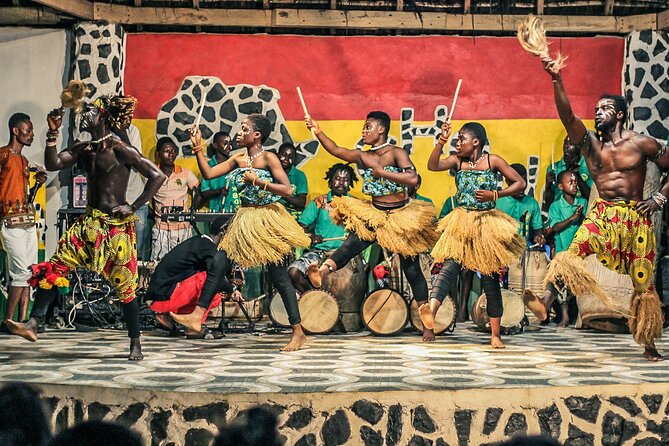
Day three heads to Aburi Botanical Gardens and the W.E.B. DuBois Center.
At Aburi, you learn about African plants, including their origins, age, medicinal uses, and place in society. The visit is scheduled for about an hour. This is not simply a scenic garden stop. It gives you a look at how plant knowledge connects to health and community life.
The W.E.B. DuBois Center focuses on the American sociologist, historian, and Pan-African thinker. The center functions as a memorial to Pan-Africanism and adds an international layer to the trip. Ghana’s story is not limited to events within its borders. It also connects to people of African descent who looked to the country as an important center of African identity and political thought.
These visits make a good pair. Aburi deals with the natural world and local knowledge, while the DuBois Center deals with ideas, identity, and political history. Both stops are listed at one hour, so you can expect focused visits rather than an entire day at either site.
Cape Coast Castle and the Door of No Return
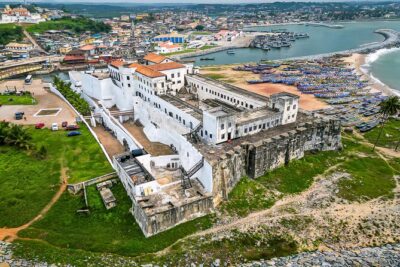
Cape Coast Castle is one of the most important and difficult parts of the trip. You enter the rooms and dungeons where enslaved people were held before being put aboard ships. The visit also includes the Door of No Return.
A one-hour visit may sound short, but the subject matter is heavy. The physical setting matters here. You are not only reading about the slave trade. You are standing in the spaces where people were confined and separated from their families.
Bring patience and respect. This is not a place to rush through for photographs. The castle offers a direct link between Ghana’s coastal forts and the forced movement of people across the Atlantic.
The tour does not treat the castles as isolated attractions. Cape Coast is followed by Kakum, Elmina, the Elmina Castle, and Assin Manso, so you gradually see the coastal trade system and its human cost from several angles.
A few more Accra days to weigh up
- The Cape Coast Day Tour
★ 5.0 · 525 reviews - The Cape Coast Tour
★ 5.0 · 177 reviews - From Accra: Cape Coast, Elmina Castle & Kakum Park Day Tour
★ 4.6 · 144 reviews - Accra Detailed City Tour
★ 4.5 · 118 reviews
Kakum’s canopy walk and Elmina’s old streets
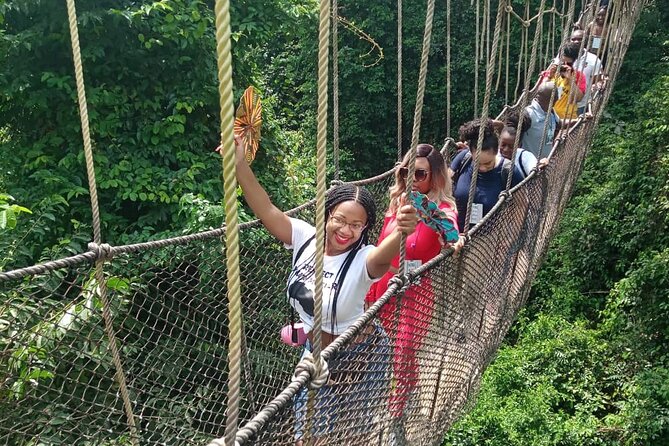
Kakum National Park gives Day five a needed change of rhythm. The main activity is a canopy walk through the rainforest, listed at about 90 minutes.
Walking above the forest floor gives you a different view of the park. The experience is about the structure of the forest as much as the walk itself. You should be ready for bridges and height, and weather may affect this part of the program because the overall experience requires good conditions.
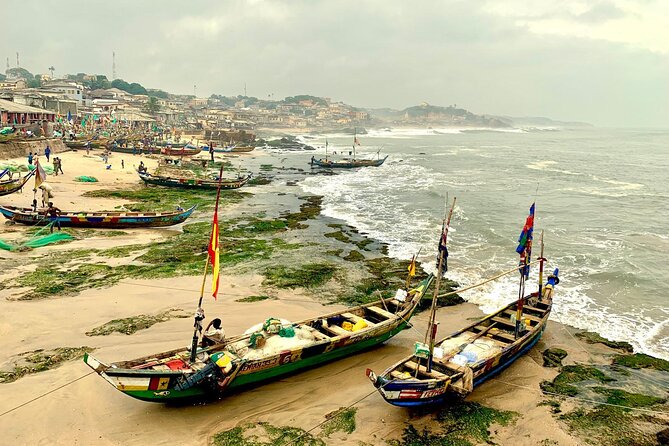
After Kakum, you explore Elmina on foot. The town is one of Ghana’s most important historic centers, and the walking tour includes historic buildings, a 17th-century Dutch cemetery, a Posuban shrine, and an Asafo post.
This is where the tour moves beyond a single fortress. You see how history appears in the streets, religious spaces, burial grounds, and community institutions of a living town. The walking portion lasts about an hour and is listed without an admission charge.
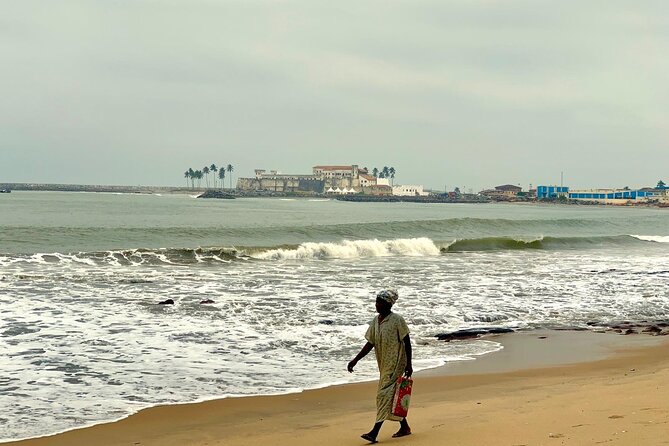
Elmina Castle follows. You visit the slave dungeons, forecourt, and Door of No Return. Elmina Castle is described as the oldest and largest European building below the Sahara, and its role in the slave trade makes it a major site of remembrance.
Seeing Cape Coast Castle and Elmina Castle on separate days can be useful. You have time between them to process what you saw. It can also feel repetitive, since both include dungeons and a Door of No Return. The difference is in the setting, the local context, and the way your guide connects each site to the larger story.
A naming ceremony in Elmina
Day six slows down in the morning, with rest and relaxation before a visit to the chief’s palace.
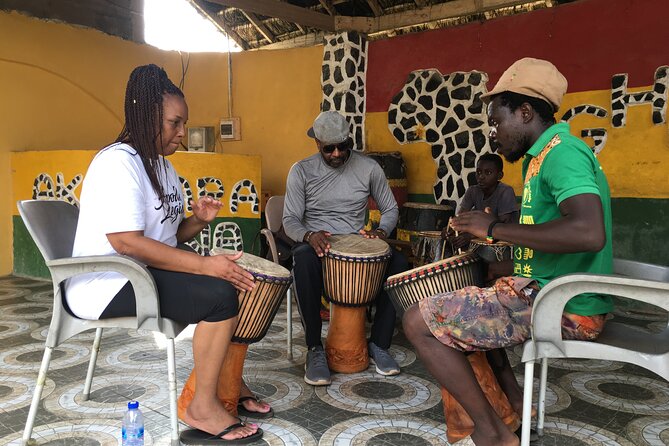
The palace visit introduces local traditions and the role of customary leadership. The highlight is a traditional naming ceremony. You receive a name based on the day you were born and wear African clothing as part of the ceremony.
This is one of the tour’s most personal features. You are not just looking at an object behind glass. You take part in a cultural practice and learn how names can connect a person to time, family, and community.
The ceremony lasts about two hours. Approach it with humility. Follow the instructions of the local leaders, ask questions at the right time, and treat the clothing and ceremony as meaningful rather than as a costume photo opportunity.
The inclusion of a slower morning is welcome. After the castle visits and walking tours, you get a pause before taking part in something more social and celebratory.
Assin Manso and the barefoot Walk of Return
Assin Manso may be the emotional center of the trip.
This was the final place where enslaved people were taken for a last bath before being sent to the castles and onto ships. You walk to the Slave River, and the route is completed barefoot to symbolize connection with the land and respect for those who made that journey.
The tour also includes the Memorial Wall of Return, where names are written to represent a return to the ancestral homeland. The experience is described as a reverential Walk of Return, a process of reconnecting with Africa and honoring those who were lost.
This is not a light sightseeing stop. You may find the barefoot walk physically simple but emotionally powerful. Wear clothing suitable for walking and be prepared to give the site your full attention.
For people tracing family roots or making a pilgrimage connected to the African diaspora, Assin Manso can give the trip a personal purpose. For anyone interested in Ghanaian history, it links the coast’s castles to the inland route that enslaved people were forced to travel.
Kumasi, Asante kingship, and the sword site
The journey then turns inland to Kumasi, where the emphasis shifts to the Asante Empire.
At Manhyia Palace Museum, you learn about the seat of the Asante king and the history of the Asante kingdom. The visit lasts about an hour. This is an important correction to a trip focused heavily on the slave trade. Ghana’s past includes powerful political systems, royal traditions, and artistic achievements, not only the history of European forts and Atlantic commerce.
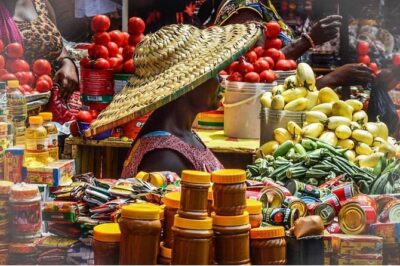
The day also includes a visit to West Africa’s largest and busiest open-air market. The information does not provide a formal stop time, so expect the market portion to depend on the day’s pace. It should be a lively place to see commercial life in Kumasi, but crowded markets call for attention to your belongings and your group.
At the Okomfo Anokye Sword Site, you learn the story of the mystical sword said to have been planted 400 years ago and never removed. The visit lasts about 45 minutes and is connected with the Kumasi Cultural Center.
The sword site is a good example of how the tour makes room for belief, legend, and political history. You are not asked to treat every story as a museum fact. Instead, you encounter an important tradition and hear why it matters.
Kente cloth in Bonwire
Day nine takes you to the Bonwire Kente Weaving Centre.
Here you learn about Ghanaian cloth, the symbols woven into it, and the meanings those patterns carry in Ghanaian culture. The visit lasts about an hour.
Kente is more than a colorful souvenir. The designs and symbols can communicate ideas about status, identity, history, and values. A guided visit helps you understand what you are buying and why certain patterns matter.
This is also a practical shopping stop. If you want cloth to take home, ask about the meaning of the design before choosing it. That turns a purchase into a connection with the place, rather than simply another item in your luggage.
The final morning at Accra Arts Center
The last day returns you to Accra for souvenir shopping at the Accra Arts Center. The stop lasts about 45 minutes before airport drop-off.
This is a short final visit, so do not count on a leisurely market morning. If you see something you want, make your decision without too much delay. The center gives you one last chance to shop for Ghanaian crafts before heading to the airport.
Airport transfer is included, and the schedule is designed to get you there in time for your flight. You should still provide your flight details carefully when booking so the timing can be arranged properly.
What the $3,500 price includes
At $3,500 per person, this is not a budget tour. Its value comes from the amount of organized ground travel and guiding packed into ten days.
You receive airport pickup and drop-off, an air-conditioned vehicle with Wi-Fi, eight breakfasts, four lunches, and dinner. Admission is included at the major memorials, museums, castles, botanical gardens, Kakum, Manhyia Palace, Okomfo Anokye Sword Site, and Bonwire Kente center.
The price also buys structure. Nana and the local team arrange movement between Accra, the coast, Assin Manso, Kumasi, and the return to Accra. That matters in a trip with several regions and emotionally complex sites.
The value is weaker if you want lots of free time, already have your own transport, or prefer choosing each meal and hotel independently. It is stronger if you want a guided cultural route with a small group, included entrances, and local leadership.
Group size, language, and practical comfort
The group is limited to 10 people. That is a real advantage on walking tours, at memorial sites, and during the naming ceremony. You can hear the guide more easily than in a large coach group, and questions are less likely to get lost.
The experience is offered in English, Spanish, and French. The vehicle is air-conditioned and has Wi-Fi, which is useful during longer transfers, though the provided information does not promise uninterrupted service.
Most people can participate, and service animals are allowed. The tour is near public transportation, but the main transport for the itinerary is the provided vehicle. Good weather is required, especially for outdoor portions such as Kakum. If poor weather cancels the experience, you are offered another date or a full refund.
Free cancellation is available up to 24 hours before the start time. Changes or cancellations made inside that window are not accepted for a refund.
Who should book this Ghana trip?
I would choose this tour if you want Ghana’s history explained in person and prefer a planned route over independent logistics. It is particularly suited to people interested in the African diaspora, the slave trade, Pan-Africanism, royal traditions, markets, and textile culture.
It also works well for a first visit because the route covers Accra, the Central Region, Assin Manso, and Kumasi in one organized journey. The mix of castles, museums, markets, ceremonies, and rainforest keeps the days from feeling identical.
I would hesitate if you want a beach-focused holiday, nightlife, or long stretches of unplanned time. The itinerary is full, and the castle and Assin Manso visits require emotional energy as well as physical attention.
Should you book it?
Book this tour if you want a serious introduction to Ghana with strong historical focus and real contact with local traditions. The naming ceremony, barefoot Walk of Return, Kente lesson, and small-group format give it more feeling than a simple sightseeing circuit.
The $3,500 cost is best justified when you value included transport, admissions, local guides, and a carefully connected route. If you make the booking, arrive ready for long days, respectful listening, and a trip that asks you to think as much as it asks you to look.
FAQ
Where does the Ghana cultural and heritage trip begin?
The trip begins at Kotoka Airport in Accra, Ghana. Airport pickup is offered, and the stated start time is 8:30 am.
How long does the experience last?
The experience lasts approximately 10 days, from airport arrival and the welcome dinner through the final Accra Arts Center visit and airport drop-off.
What languages are available?
The experience is offered in English, Spanish, and French.
How many people can join the tour?
The tour has a maximum of 10 travelers.
Are meals included?
Dinner, eight breakfasts, and four lunches are included.
What is the cancellation policy?
You can cancel at least 24 hours before the start time for a full refund. Cancellations or changes made less than 24 hours before the start time are not accepted for a refund.
Just added around Accra
- 2 Days (1 night) Elephants Safari at Mole Park with Round – trip flights★ 5.0 · 4 reviews
- Full-Day Wli water Falls and Monkey Sanctuary Private Tour★ 5.0 · 4 reviews
- Accra: Tafi Kente Village, Monkey Sanctuary &Wli Waterfalls★ 4.5 · 4 reviews
- 9 Day Ghana Wildlife and Culture Tour★ 5.0 · 5 reviews
- A Taste of West Africa – Ghana Togo & Benin★ 5.0 · 5 reviews
- Quad Biking and Waterfalls Adventure★ 5.0 · 5 reviews
- Accra Architectural Tour★ 3.9 · 5 reviews
- Cape Coast: Kakum National Park, Castles, & Hans Cottage★ 4.8 · 5 reviews
Accra Tours, compared.
Experience the Beauty, History and the Culture Of Accra in a Day
Read our review →
Cape Coast, Elmina Castle & Kakum Park Day Tour
Read our review →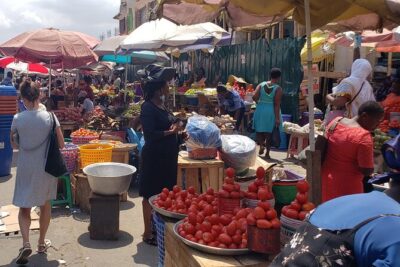
Boti Falls, Umbrella Rock, Aburi Gardens & Cocoa Farm Tour
Read our review →
Browse the lists this tour appears in