
Reviewed · ACCRA TOURS
Half-Day Private History Tour in Nkyinkyim Museum
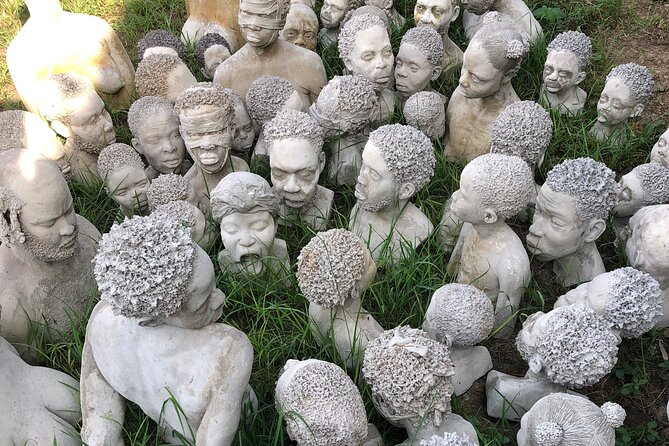
The most powerful part of this Accra-area tour is its use of sculpture as historical storytelling. At Nkyinkyim Museum, outdoor artworks portray the pain, resistance, and human cost of the Trans-Atlantic Slave Trade. A short film and an interview with artist Kwame help set the scene before the guided walk.
I like the personal scale of the experience, especially the chance to explore with a private guide such as Isaac, who is praised for being prompt, engaging, and easy to talk with. I also like the second stop at Prampram, where painted portraits on the African Ancestral Wall honor important African ancestors. The main drawback is value: at $145 per person, the tour may feel costly for a four-hour outing, particularly because lunch is not included.
Key points to know before you book
- Powerful outdoor sculpture: Nkyinkyim Museum uses expressive figures and faces to tell difficult stories about enslavement and discrimination.
- Two distinct stops: You spend about two hours at the museum, then about two hours at Prampram’s African Ancestral Wall.
- A private experience: Only your group participates, with private transportation in an air-conditioned vehicle.
- Isaac may be your guide: He is praised for being prompt, professional, engaging, and a good conversationalist.
- The price includes the basics: Taxes, admission to the museum, transportation, and bottled water are included, but lunch is not.
- Plan ahead: The tour begins at 7:30 am, and it is often reserved well before the visit date.
Why the art at Nkyinkyim Museum matters
Nkyinkyim Museum is not simply a room filled with objects and labels. Its main force comes from the way artist Kwame uses sculpture to give historical events a human face.
You can expect to begin with a short film about discrimination, followed by an interview with the artist. That introduction helps explain the purpose behind the installation before you walk among the sculptures. The format is useful because it gives you context without asking you to study a long written display first.
The figures represent real people and experiences connected with the Trans-Atlantic Slave Trade. Their expressions are central to the visit. Faces show sorrow, fear, endurance, and pain, making the subject feel personal rather than distant. I appreciate this approach because it asks you to look closely at the people caught in the story, not only at dates and trade routes.
This is difficult material. The museum deals with slavery and discrimination against Africans, so it is not a light sightseeing stop. You should allow yourself time to listen, ask questions, and think about what the artworks are showing. The outdoor setting and surrounding scenery add calm and space, but they do not soften the subject.
The exhibition is also developing. One visitor described looking forward to returning later to see additional sculptures added to the collection. That means the experience may change over time, and repeat visits could offer new pieces and new connections.
Other Accra days people book alongside this one:
- The Cape Coast Day Tour
★ 5.0 · 525 reviews - Experience the Beauty, History and the Culture Of Accra in a Day
★ 5.0 · 323 reviews - The Cape Coast Tour
★ 5.0 · 177 reviews
A two-hour walk through sculpture, film, and memory
The museum portion takes about two hours, which is a reasonable amount of time for the film, guided explanation, and walk through the outdoor artworks. It is long enough to move beyond a quick photo stop, but short enough to fit comfortably into a morning tour.
Your guide helps connect the sculptures to the larger story. A good guide matters here because the meaning is not always obvious from the artwork alone. Isaac has been singled out for his professional manner and engaging conversation, so you can expect the guiding to be an important part of the visit rather than a simple escort from one sculpture to the next.
A particularly worthwhile feature is the way the tour links the museum’s art to famous African heroes and their contributions to African development. The visit is not limited to suffering. It also points toward courage, identity, resistance, and the people who helped shape African communities and nations.
Some of the most affecting details come through the expressions on the sculptures’ faces. You may find yourself spending more time with one figure than expected. This is a place where rushing from object to object would weaken the experience.
The museum’s scenery gives the visit another layer. You can take in the outdoor setting while listening to the story, rather than moving through a sealed gallery. Still, the natural surroundings should not lead you to think of this as mainly a scenic outing. The art and its message are the reason to come.
The African Ancestral Wall in Prampram
The second stop takes you to Prampram, where the African Ancestral Wall displays portraits of important African ancestors. This changes the mood and visual style of the tour.
At Nkyinkyim, three-dimensional figures carry the story through posture and expression. At the wall, painted portraits honor people whose lives and work are part of African memory. Together, the two stops create a broader visit: one focuses strongly on the violence of the slave trade, while the other looks toward individuals worthy of remembrance.
The wall is included as a free-admission stop, but it still gives the half-day a clear second purpose. You are not simply returning to Accra after the museum. You are continuing the theme of memory, identity, and the people whose contributions deserve public recognition.
The Prampram visit is planned for about two hours. That is generous compared with the time some visitors may need to look at the portraits, so your actual pace may depend on how much explanation your guide provides and how closely you wish to study the artwork. I would use this time to ask about the figures shown and how they connect to the wider story of African achievement.
The information supplied for this tour does not identify every person on the wall or describe a set presentation, so you should not expect a fixed list of names in advance. Its value is visual and commemorative, supported by the guide’s explanation.
The personal touch of a private guide
A private tour can make a major difference at a museum built around sensitive subjects. You are not sharing the guide’s attention with a large crowd, and only your own group takes part.
That gives you room to ask direct questions about the sculptures, the artist, African heroes, or the history behind the installation. It also lets the guide adjust the pace. If one artwork needs more time, you do not have to worry about holding up a busload of people.
Isaac is the guide name most often associated with this experience. He is described as prompt, engaging, professional, and a strong conversationalist. Those qualities matter in a tour that depends on discussion. A guide who can explain the art clearly and respond to questions will help you get more from the visit than a quick set of facts.
The operator is NYONKOPA ECO TOURS. Pickup is offered, and the tour uses private transportation in an air-conditioned vehicle. That is practical in Ghana’s heat and especially useful when combining two locations in one morning. Bottled water is included, so you do not need to rely on finding refreshments between stops.
The stated start time is 7:30 am. That early departure is worth noting. It may help you make good use of the day, but it will not suit anyone looking for a late, relaxed start. Confirm the pickup details when booking, since the information gives the start time but does not list a specific hotel pickup window.
More history visits around Accra:
- Ghana Heritage Tours – Beyond The Return
★ 5.0 · 36 reviews - 10 Days Ghana Cultural and Heritage Trip
★ 5.0 · 31 reviews - Cape Coast Historical Day Tour
★ 5.0 · 24 reviews - Full-Day Private Culture and History Tour of Accra
★ 5.0 · 23 reviews
Is $145 per person fair?
The listed price is $145 per person. That is not a bargain for a four-hour activity, and one direct assessment called the tour too costly for its short duration.
The price looks more reasonable if you are traveling with a group and value privacy. You are paying for private transportation, an air-conditioned vehicle, the guide, museum admission, bottled water, and the convenience of combining two stops without arranging your own transport. Group discounts are offered, though the available information does not state the discount amount.
For one person or a very small group, the cost may feel harder to justify. Lunch is not included, and there is no additional meal stop built into the schedule. You should budget separately for food and avoid assuming that the four-hour price covers a full day.
I would judge the value by your priorities. If you want a private, guided encounter with serious Ghanaian and African history, the price may be acceptable. If you mainly want a low-cost museum visit, you may find the outing expensive. The strongest value comes from the combination of transport, personal guiding, and two art-based sites.
The tour is frequently booked well ahead of time, with reservations averaging 52 days before the visit. That is a useful planning signal, particularly if your Accra schedule is fixed. I would not leave it until the last minute if you specifically want this date or a private morning outing.
Who will appreciate this experience most?
This tour suits you if you want history presented through art rather than only through formal museum text. It is a strong choice for people interested in the Trans-Atlantic Slave Trade, African identity, discrimination, and the role of public art in keeping memory alive.
It also works well for families or private groups who prefer to ask questions at their own pace. The private format removes the pressure of keeping up with strangers and can make a serious subject easier to discuss.
Art lovers should pay attention to the artist’s purpose and the expressions on the figures. The museum is not just a backdrop for photographs. The work is meant to be read, considered, and remembered.
You may want to choose another activity if you need a full-day schedule, a meal included, or a broad tour of many Accra attractions. The experience is focused. Its strength is the depth of its central subject, not the number of places visited.
Practical details that affect your morning
The total duration is approximately four hours and eight minutes. The two main stops are each planned for about two hours, with travel time connecting them.
All fees and taxes are included, as is admission to Nkyinkyim Museum. Admission to the African Ancestral Wall is listed as free. Private transport and bottled water are also included, while lunch is not.
Most people can participate, and the activity is private. The supplied information does not provide specific accessibility details, so ask NYONKOPA ECO TOURS before booking if you need particular assistance.
You receive confirmation when you book. Free cancellation is available if you cancel at least 24 hours before the local start time. Cancellations or changes made within 24 hours are not accepted for a refund.
Should you book the Nkyinkyim Museum tour?
I would book this if you want a focused and emotionally serious look at African history through sculpture, and if private transportation and guiding matter to you. The combination of Nkyinkyim Museum and Prampram’s African Ancestral Wall gives the morning a clear theme: remembering suffering while honoring African achievement.
I would think twice if $145 feels high for four hours or if you expect lunch and a longer list of attractions. The tour is best for someone who values meaningful interpretation over bargain pricing.
For the strongest visit, start ready to listen, ask Isaac questions, and give the sculptures your full attention. This is not a quick stop to check off. It is a compact, thoughtful experience for understanding how art can carry memory.
FAQ
Where does this tour take place?
The tour takes place in the Accra area of Ghana. It visits Nkyinkyim Museum and the African Ancestral Wall in Prampram.
How long does the tour last?
The experience lasts approximately four hours and eight minutes. The museum visit is planned for two hours, followed by about two hours in Prampram.
What time does the tour start?
The stated start time is 7:30 am.
Is transportation included?
Yes. Private transportation in an air-conditioned vehicle is included, and pickup is offered.
Is this a private tour?
Yes. Only your group participates in the activity.
Is museum admission included?
Yes. Admission to Nkyinkyim Museum is included. Admission to the African Ancestral Wall is listed as free.
Is lunch included?
No. Lunch is not included in the tour price.
Can I cancel for a full refund?
Yes, if you cancel at least 24 hours before the local start time. Cancellations or changes made less than 24 hours before the experience are not refunded or accepted.
More Half-Day Tours in Accra
- Half-day Accra Guided Tour
★ 4.5 · 8 reviews - Half-day Accra Safari Tour
★ 4.5 · 6 reviews
Just added around Accra
- Accra: Tafi Kente Village, Monkey Sanctuary &Wli Waterfalls★ 4.5 · 4 reviews
- 2 Days (1 night) Elephants Safari at Mole Park with Round – trip flights★ 5.0 · 4 reviews
- Full-Day Wli water Falls and Monkey Sanctuary Private Tour★ 5.0 · 4 reviews
- 9 Day Ghana Wildlife and Culture Tour★ 5.0 · 5 reviews
- A Taste of West Africa – Ghana Togo & Benin★ 5.0 · 5 reviews
- Quad Biking and Waterfalls Adventure★ 5.0 · 5 reviews
- Full-Day Accra City Tour★ 5.0 · 5 reviews
- Accra, Ghana Guided Local Market Tour★ 5.0 · 6 reviews
Accra Tours, compared.
Experience the Beauty, History and the Culture Of Accra in a Day
Read our review →
Cape Coast, Elmina Castle & Kakum Park Day Tour
Read our review →

Boti Falls, Umbrella Rock, Aburi Gardens & Cocoa Farm Tour
Read our review →
Browse the lists this tour appears in