
Reviewed · ACCRA TOURS
8 Day Cultural, History and Adventure Tour
Ghana is at its most rewarding when you leave Accra behind. This eight-day trip carries you from recycled glass beads and monkey sanctuaries to waterfalls, royal Asante sites, wildlife, mosques, and the broad waters of Lake Volta. It is less a city tour than a fast-moving country sampler.
I like the private format, which lets your guide adjust the pace and explain customs, food, and local life as you go. I also like the practical setup: air-conditioned transport, accommodation, meals, and airport pickup are included, so you can focus on the experience instead of arranging each move yourself.
The catch is the mileage. You will spend long hours on the road, including a six-hour journey toward Mole and a seven-hour return drive to Kumasi. This trip suits you if you want variety and activity, but it may feel rushed if you prefer slow mornings and several nights in one place.
The trip at a glance
- Cedi Beads turns discarded bottles into colorful souvenirs, giving you an early look at local craft and enterprise.
- Tafi Atome and Wli Waterfalls share the first major stretch, combining a monkey sanctuary with a hike and a swim beneath West Africa’s highest waterfall.
- Kumasi brings Asante culture into focus, with Bonwire kente, Manhyia Palace, the Okomfo Anokye Sword Site, and Kejetia Market.
- Mole National Park adds a wildlife chapter, with a morning walking safari and the chance to see elephants, monkeys, warthogs, antelopes, deer, and buffalo.
- Meals and road transport are built in, a major convenience on a route that covers much of Ghana.
- A moderate fitness level is needed, especially for Mount Afadjato, the waterfall visit, and the long days in the vehicle.
Why this Ghana route works

The clever idea here is range. In eight days, you see several sides of Ghana: village craft, ecology, mountain scenery, modern engineering, royal tradition, commerce, wildlife, and religious heritage.
That range comes with a price, both in money and energy. At $2,515 per person, this is not a budget hop-on, hop-off excursion. But the cost covers an air-conditioned vehicle, fuel, accommodation, breakfast, lunch, dinner on seven nights, entrance fees, and the planning that makes a multi-region journey possible.
I see the value most clearly if you have limited time in Ghana or do not want to manage intercity transport yourself. A private tour also gives you someone to help with language and local arrangements. Guides named in past trip experiences include Kwame, Yaw, and Michael, with Kobby mentioned as a driver on one longer custom journey. The specific guide for your departure should be confirmed when you book.
The route begins and ends at Kotoka International Airport in Accra, with a listed start time of 7:00 a.m. Pickup is offered, and the final transfer can take you to your hotel or airport. That is useful after a long road trip, though you should avoid scheduling an important flight too close to the estimated arrival time.
More history visits around Accra:
- Experience the Beauty, History and the Culture Of Accra in a Day
★ 5.0 · 323 reviews - Ghana Heritage Tours – Beyond The Return
★ 5.0 · 36 reviews - 10 Days Ghana Cultural and Heritage Trip
★ 5.0 · 31 reviews
Day 1: Beads and monkeys on the road to Volta
The first day begins shortly after pickup and heads east toward the Volta Region. At Odumase Krobo, Cedi Beads offers a simple but memorable introduction to Ghanaian craft. Glass bottles are recycled into beads, turning everyday waste into colorful objects with local value.
The stop lasts about an hour and has no separate admission charge. I like this early visit because it is hands-on in spirit without requiring a full museum visit. You can see how a local material becomes a cultural keepsake, and you may find a more personal souvenir here than in a standard city shop.
Next comes Tafi Atome Monkey Sanctuary and Cultural Village, home to Mona monkeys. The visit is not only about spotting animals. You also learn how the village uses eco-tourism to support community development.
That community link matters. You are not simply passing through a forest, taking a picture, and leaving. The stop shows how a protected natural attraction can help support the people who live nearby. The visit lasts about an hour, followed by check-in at a guesthouse before dark.
This is a sensible first day, but do not expect a full day of leisure. You begin with a pickup and a regional drive, then finish with two visits before settling in. The guesthouse rest is welcome because the next morning starts with a mountain hike.
Day 2: Mount Afadjato and Wli Waterfalls
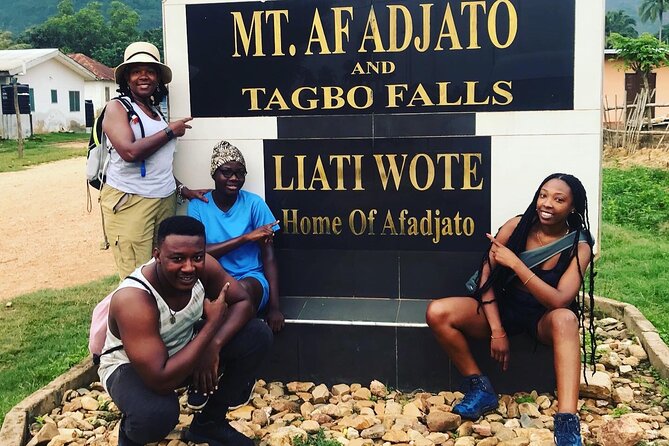
Mount Afadjato reaches 885 meters above sea level and is described as Ghana’s highest mountain. The hike takes about two to three hours, depending on pace and conditions.
You do not need to be an elite hiker, but the moderate fitness requirement is real. Wear sturdy footwear, carry water, and expect uneven ground. The tour schedule allows about two hours for the stop, while the description says the hike may take up to three hours, so timing may vary.
After the climb, you head to Wli Waterfalls. The falls are presented as the highest in West Africa, and the afternoon is set aside for refreshing in the water. This is one of the trip’s strongest pairings: a physical morning followed by a cool natural setting.
I would treat the waterfall stop as a major reason to choose this route. One account of the experience describes swimming beneath the falls, but conditions and access can change, so you should listen carefully to your guide before entering the water.
The day is active, yet it includes an evening at the guesthouse. That balance is helpful. You get a genuine outdoor challenge, then time to dry off and rest instead of rushing into another formal attraction.
Day 3: Lake Volta, the Akosombo Dam, and Kumasi
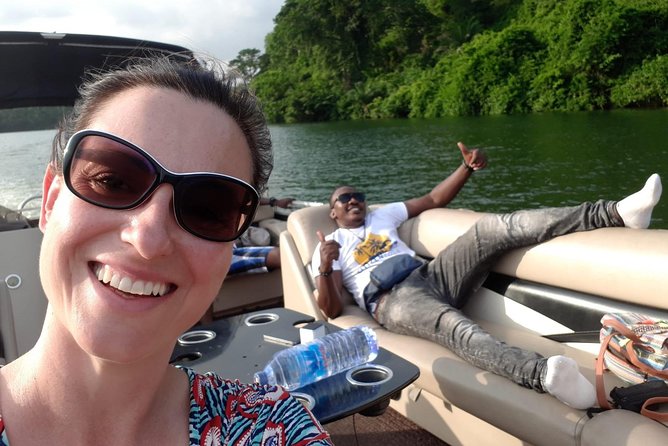
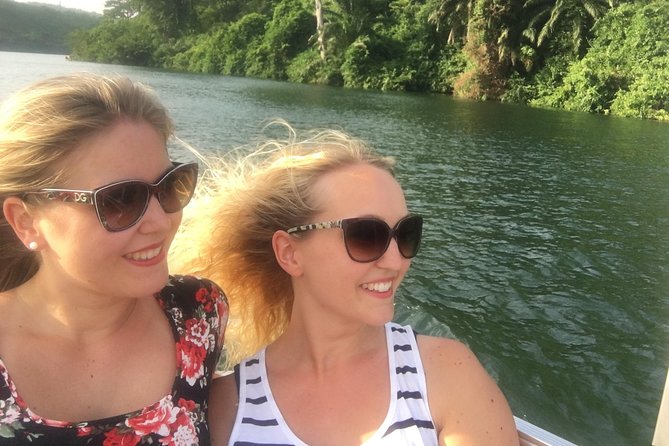
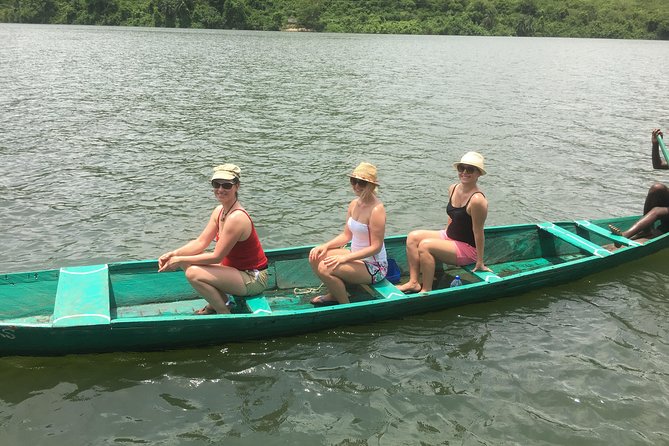
After breakfast, the route leaves the Volta Region for Akosombo. The Akosombo Dam sits on Lake Volta and produces more than 1,020 megawatts of electrical output. The planned visit lasts about four hours and includes lunch on the lake and a boat cruise toward a side view of the hydroelectric dam.
This is more than a scenic boat ride. The dam helps you understand the scale of Ghana’s infrastructure and the importance of Lake Volta to the country. The lake is one of the world’s largest man-made lakes, so the waterborne view gives you a sense of size that a roadside stop cannot.
The main drawback is the day’s length. After breakfast, a dam visit, lunch, and a cruise, you continue toward Kumasi and check in for the night. The schedule works best if you enjoy changing scenery and do not mind arriving tired.
I would keep your expectations practical. This is a sightseeing cruise connected to a major engineering site, not a full boating holiday. Its value comes from combining transport, geography, and history in one stop.
A few more Accra days to weigh up
- The Cape Coast Day Tour
★ 5.0 · 525 reviews - The Cape Coast Tour
★ 5.0 · 177 reviews - From Accra: Cape Coast, Elmina Castle & Kakum Park Day Tour
★ 4.6 · 144 reviews - Accra Detailed City Tour
★ 4.5 · 118 reviews
Day 4: Kente, kings, and Kumasi’s market streets
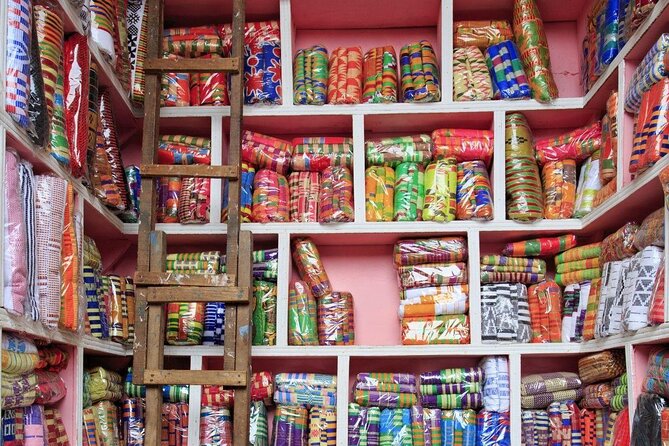
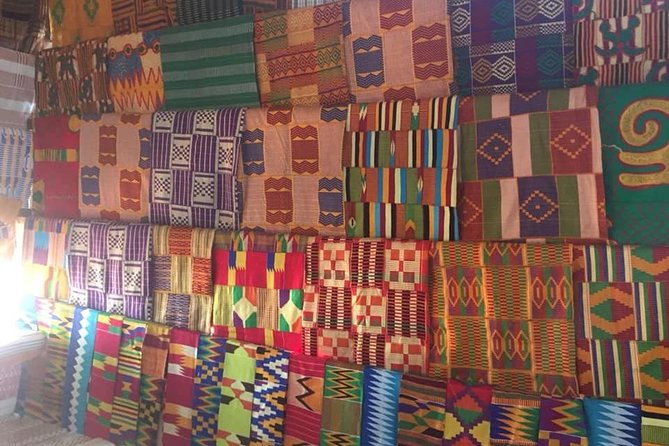
Day four is the cultural center of the trip. At Bonwire Kente Village, you learn about kente weaving and see where much of the cloth sold in Ghanaian markets comes from.
Kente is not ordinary fabric. It is colorful traditional cloth often worn for important occasions and celebrations. A visit to Bonwire gives you context for the patterns and the work behind them, which makes later shopping more meaningful.
Back in Kumasi, Manhyia Palace Museum introduces you to the seat and official residence of the Asantehene, the ruler of Asanteman. The visit is scheduled for about 45 minutes. That is enough for a focused introduction, though not enough for a slow museum afternoon.
The Okomfo Anokye Sword Site follows, along with the Cultural Centre and modern art in a clean museum setting. The planned visit is short, about 30 minutes, so this portion is best understood as a compact cultural stop rather than a long gallery visit.
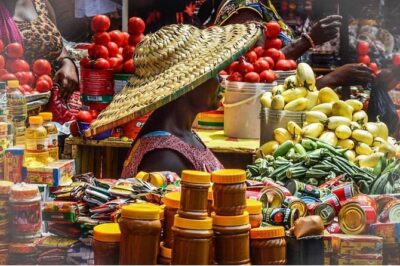
Then comes Kejetia Market, one of West Africa’s largest open-air markets. Here you can speak with women traders, shop for cloth and local items, and practice bargaining. The market is likely to be the most intense stop of the day. Keep your belongings secure, stay close to your guide, and decide beforehand what kinds of gifts you actually want.
The itinerary says you return to the guesthouse before dark and go out for nightlife later. That gives the day a pleasant second act, but it also makes day four one of the fuller days. If you want time for serious shopping or extended museum visits, ask whether the schedule can be adjusted.
Day 5: The long road to Mole National Park
After breakfast, you check out and spend much of the day traveling toward Tamale and Mole National Park. The listed driving time is about six hours, with a lunch stop along the way.
This is the least sightseeing-heavy day, and you should know that before booking. The reward is reaching Ghana’s largest national park, described here as home to some of Africa’s largest elephants.
Long drives are easier when you view them as part of the trip rather than dead time. You will see the country change as the route moves north, though the exact roadside experience is not specified. Accommodation near the park gives you a base for the more active wildlife day ahead.
The lack of a separate admission charge for the park is convenient, but it does not mean the day is light. Pack snacks if you like having something between meals, bring a charger for the vehicle, and keep water close.
Day 6: Walking safari and Larabanga Mosque
Mole gets its full attention on day six. The morning walking safari gives you the chance to look for monkeys, elephants, warthogs, antelopes, deer, buffalo, and other wildlife.
Wild animals do not follow a schedule, so the experience is about patient searching rather than guaranteed sightings. That is part of the appeal. You are not being carried from one enclosure to another. You are looking across open country with a guide and waiting to see what appears.
After breakfast, the afternoon can be spent by the pool, with elephants and warthogs viewed from a distance. This is a smart change of pace after the morning walk. You still have a wildlife setting, but your legs get a break.
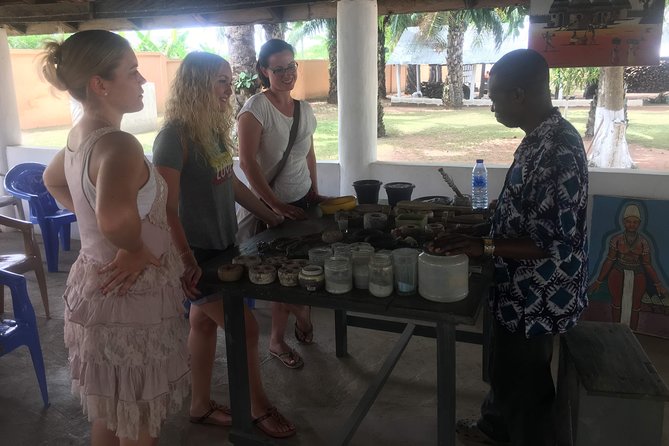
Later, you visit Larabanga Mosque, described as Ghana’s oldest and most renowned mosque. The stop lasts about an hour and also includes learning how shea butter is made. This pairing connects architecture, faith, and a local product in one visit.
Respectful clothing and careful listening are wise at a religious site. The schedule gives you a useful introduction, but it is not designed as a long architectural study.
Day 7: Tamale and a long return to Kumasi
The seventh day begins early with breakfast and a drive back toward Kumasi. The journey is listed at about seven hours, with a stop at Tamale Cultural Centre along the way.
This is another road-focused day. It may be tiring, but it helps the route fit into eight days without dropping Mole or Kumasi. You aim to arrive before dark, check in, and rest.
I would not book this tour expecting every day to feel like a guided walk through one compact destination. The appeal is the national reach. You trade leisurely pacing for access to places that are far apart.
Day 8: Return to Accra
The final morning takes you from Kumasi to Accra, with about four hours of driving. Breakfast is included, and the tour ends with drop-off at your hotel or airport.
This transfer is useful because it closes the loop without asking you to arrange a separate ride. Still, flight timing matters. The tour has a listed end back at the meeting point, but road travel can take time, so give yourself a generous buffer before departure.
What the $2,515 price really covers
The price makes the most sense when you count the pieces. You are paying for eight days of private touring, an air-conditioned vehicle, fuel, accommodation, all listed fees and taxes, eight breakfasts, eight lunches, and seven dinners.
Drinks and tips are extra. Those costs are easy to forget, so keep cash available for gratuities and personal purchases at places such as Bonwire and Kejetia Market.
The package also saves you the work of building a route across Accra, Volta, Akosombo, Kumasi, Tamale, Mole, and back. If you tried to arrange each transfer, hotel, guide, meal, and admission separately, the planning would be substantial.
The value is strongest for couples, families, or friends who want a private experience and prefer support with transport and local communication. It is less attractive if your priority is the lowest possible price or a relaxed stay in one region.
Who should book this adventure
I would choose this tour if you want Ghana in broad strokes and enjoy a full schedule. You need to be comfortable with a moderate hike, long drives, guesthouse stays, early starts, markets, and several changes of location.
It also suits first-time visitors who want help with logistics. The guides are expected to explain culture and history while handling the practical details. Past trip experiences specifically praise guides such as Kwame and Yaw for arranging the day and making the journey easier to manage.
I would think twice if you want luxury accommodation, slow travel, or guaranteed wildlife sightings. The itinerary is action-packed, and the word adventure is doing real work here.
Cancellation is free with a full refund if you cancel at least 24 hours before the 7:00 a.m. start time. Changes or cancellations within 24 hours are not accepted for a refund.
Should you book the eight-day Ghana tour?
Book it if you want one organized journey that connects Ghana’s major natural and cultural highlights, and if you value a private guide more than a leisurely pace. The waterfalls, kente village, Asante sites, Lake Volta cruise, and Mole safari give you a strong range of experiences.
Skip it if the long drives sound unpleasant or if you want to linger in Accra, Kumasi, or the Volta Region. For everyone else, this is a practical way to see far more of Ghana than a single-city stay allows, with meals, transport, and local support already in place.
FAQ
Where does the tour start?
The tour starts at Kotoka International Airport in Accra, Ghana. Pickup is offered, and the listed start time is 7:00 a.m.
Where does the tour end?
The experience ends back at the meeting point. On day eight, you can be dropped at your hotel or airport in Accra.
Is this a private tour?
Yes. Only your group participates in the activity.
What meals are included?
The price includes eight breakfasts, eight lunches, and seven dinners. Drinks are not included.
Are transportation and fuel included?
Yes. An air-conditioned vehicle and fuel are included, along with transportation during the tour.
How physically demanding is the experience?
A moderate level of physical fitness is recommended. The itinerary includes a hike up Mount Afadjato and time at Wli Waterfalls, as well as walking during the Mole National Park safari.
What is the cancellation policy?
You can cancel at least 24 hours before the local start time for a full refund. Cancellations or changes made within 24 hours are not accepted for a refund.
Just added around Accra
- Accra: Tafi Kente Village, Monkey Sanctuary &Wli Waterfalls★ 4.5 · 4 reviews
- 2 Days (1 night) Elephants Safari at Mole Park with Round – trip flights★ 5.0 · 4 reviews
- Full-Day Wli water Falls and Monkey Sanctuary Private Tour★ 5.0 · 4 reviews
- 9 Day Ghana Wildlife and Culture Tour★ 5.0 · 5 reviews
- A Taste of West Africa – Ghana Togo & Benin★ 5.0 · 5 reviews
- Quad Biking and Waterfalls Adventure★ 5.0 · 5 reviews
- Accra Architectural Tour★ 3.9 · 5 reviews
- Cape Coast: Kakum National Park, Castles, & Hans Cottage★ 4.8 · 5 reviews
Accra Tours, compared.
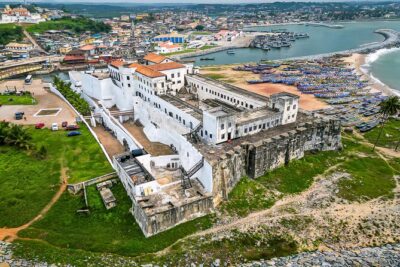
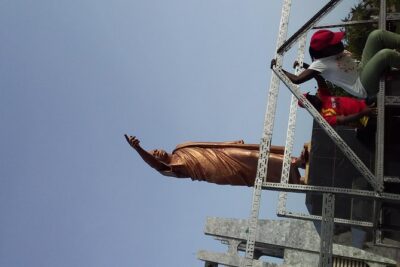
Experience the Beauty, History and the Culture Of Accra in a Day
Read our review →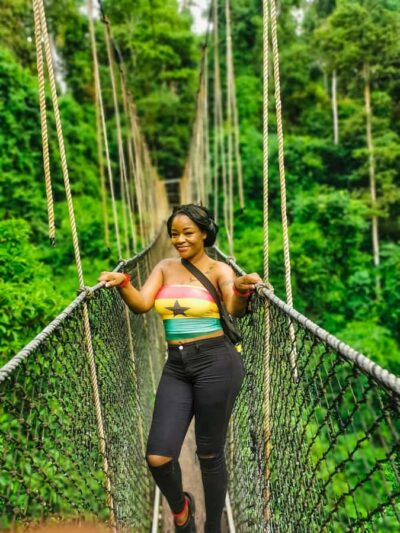
Cape Coast, Elmina Castle & Kakum Park Day Tour
Read our review →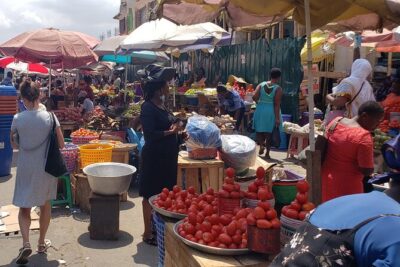
Boti Falls, Umbrella Rock, Aburi Gardens & Cocoa Farm Tour
Read our review →
Browse the lists this tour appears in