
Reviewed · ACCRA TOURS
Full-Day Tour to Ashanti Region, Kumasi and Ghanaian History
Kumasi is where Ghana’s Ashanti story feels most immediate. This long day from Accra takes you from royal museums and sacred landmarks to Bonwire’s Kente looms, the enormous Kejetia Market, and the lakeside setting of Bosomtwe. It is less a quick city visit than a packed introduction to Asante culture.
I like the hands-on side of the day, especially watching Kente cloth take shape and having time to shop with a guide who can help negotiate. I also like the range: Manhyia Palace explains royal life, while the sword site and market put history into a living city. The drawback is clear: six hours each way by road can make this an exhausting day.
Key points at a glance
- Bonwire Kente weaving: See how Akan Kente is made from the first threads to the finished cloth.
- Ashanti royal landmarks: Visit Manhyia Palace Museum and the Okomfo Anokye Sword Site.
- Kejetia Market: Spend up to two hours among food, fabrics, jewelry, pottery, spices, and household goods.
- Private transportation: Your group has its own tour, with pickup at Kotoka Airport and return to the same meeting point.
- Lake Bosomtwe option: Finish near Ghana’s only natural lake, with boat rides and horse riding available for extra fees.
- Very early start: A 5:30 a.m. departure has been used to make the long Accra to Kumasi run workable.
Why Kumasi is worth the long road from Accra
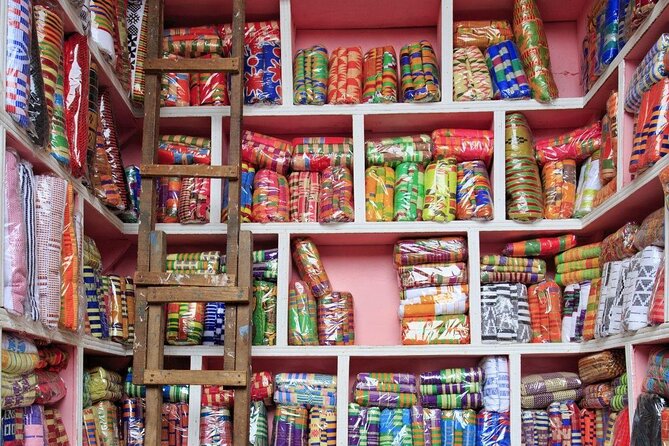
Kumasi is Ghana’s second-largest city and the center of the Ashanti Kingdom. The appeal here is not one single sight. It is the way royal power, craft traditions, commerce, religion, and modern city life all meet within the same day.
The drive matters. The tour lasts about 12 to 16 hours, and the remaining time is largely spent moving between Accra and Kumasi. One recorded schedule began at 5:30 a.m., with the driver arriving early so the group could get on the road. That is sensible planning, not an attempt to hide the distance.
If you want a relaxed city break, this is too much ground to cover in one day. If Accra is your base and Kumasi is your only practical chance to see the Ashanti region, the private format makes the effort more reasonable. You can travel with your own party, and group discounts may improve the price for larger bookings.
At $280 per person, the cost is not low. The value depends on how many people share the experience and how much you would otherwise spend arranging a private car, local guides, admissions, and visits to craft centers. The price includes admission at key stops, but extras such as a boat cruise or horse ride at Lake Bosomtwe cost more.
More history visits around Accra:
- Experience the Beauty, History and the Culture Of Accra in a Day
★ 5.0 · 323 reviews - Ghana Heritage Tours – Beyond The Return
★ 5.0 · 36 reviews - 10 Days Ghana Cultural and Heritage Trip
★ 5.0 · 31 reviews
Manhyia Palace Museum and the Ashanti royal story
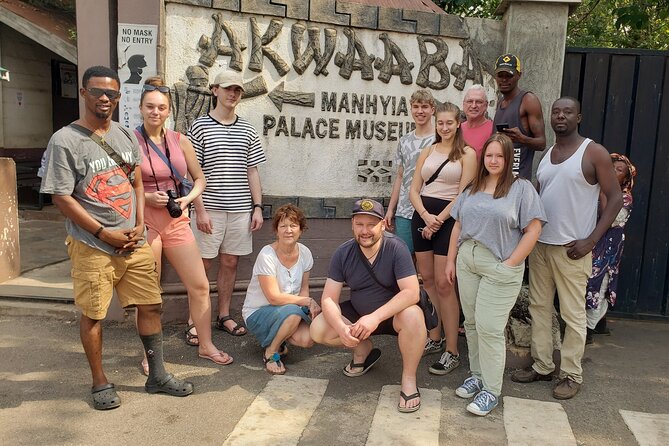
Manhyia Palace Museum gives you the essential political background for the rest of the day. The museum focuses on the Ashanti people, the royal line, and Ghana’s cultural story before and during British colonial rule.
Allow about an hour. You can expect video presentations and historic objects connected to Ashanti land and Ghanaian ancestry. The visit is useful early in the Kumasi program because it gives you names, symbols, and royal context before you see the sword site and the city itself.
The museum is not a huge institution designed for an entire afternoon. Its strength is orientation. I would pay close attention to the guide here, since the objects will mean more once someone explains how the Ashanti kingdom was organized and why the royal palace still matters.
The tour description also refers to the Prempeh II Jubilee Museum, which houses historic artifacts. Since it is not included among the detailed timed stops, ask before booking if it is part of your specific day or an alternative visit. The same applies to Fort Kumasi, described as Ghana’s only inland fort and a former colonial military garrison.
The Okomfo Anokye Sword Site
On the grounds of Komfo Anokye Teaching Hospital, the Okomfo Anokye Sword Site preserves one of the central stories of Asante beginnings. The sword is said to be more than 300 years old and fixed in the rock. Its importance is not simply that it is an old weapon. It is tied to the legendary Okomfo Anokye and the formation of the Ashanti Kingdom.
The visit is planned for about an hour and admission is included. This is a small, focused historic stop rather than a large museum. You will get the most from it if you treat the sword as a political and spiritual symbol, not just a curious object for a photograph.
The site also shows how history is protected for future generations. That makes it a useful contrast with Kejetia Market, where daily work and trade take center stage. Together, the two stops show both the formal story of Ashanti power and the practical life of Kumasi today.
Kejetia Market, two hours in the center of Kumasi
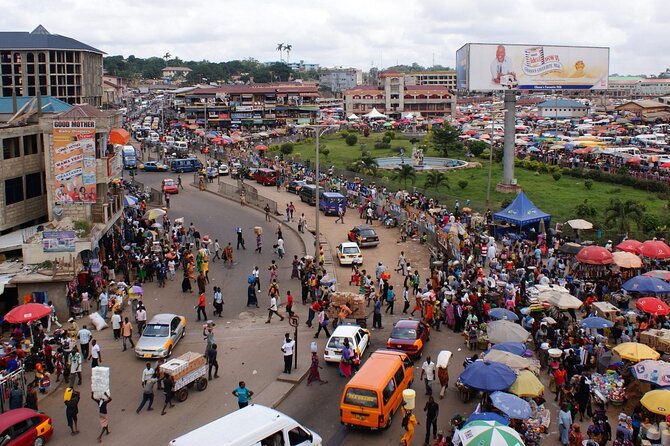
Kejetia is one of the biggest single markets in West Africa, and two hours gives you enough time to see more than one corner of it. The market is divided into sections, with food, fabrics, footwear, gold and jewelry, pottery, household goods, oils, soaps, spices, and handmade items among the goods on offer.
Do not expect a tidy sequence of stalls where every section is easy to find. The size is part of the point, but it can also be confusing. Tell your guide what interests you before you begin. If you are looking for beads, fabric, or food products, local help can save time.
Shopping is where the private guide adds practical value. Daniel is specifically associated with a strong understanding of the area and with helping shoppers bargain. A guide can also help you avoid spending your entire market visit in the first section you reach.
The market is not merely a souvenir stop. You see people working, selling, carrying, cooking, and managing the daily business of Kumasi. Go with an open mind, keep your shopping goals modest, and leave room for the market to surprise you.
A few more Accra days to weigh up
- Cape Coast ,Elmina Castle and Kakum Full-Day Tour
★ 5.0 · 62 reviews - Full-Day Accra Safari and Boat Cruise Private Tour
★ 5.0 · 32 reviews - Full-Day Private Culture and History Tour of Accra
★ 5.0 · 23 reviews - Private Full-Day Ghanaian Delicacy and Dessert Tour in Accra
★ 5.0 · 13 reviews
Craft at the Center for National Culture
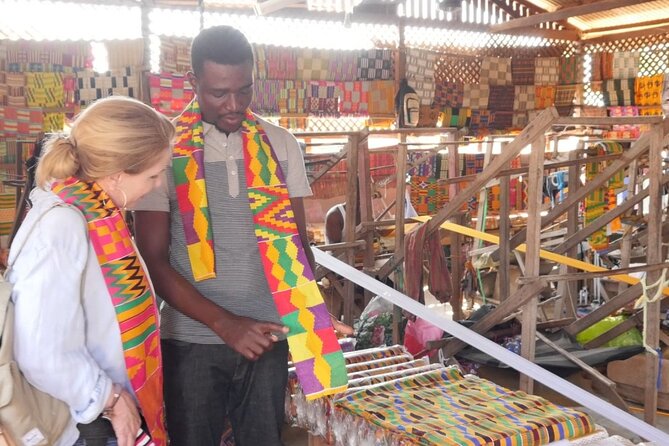
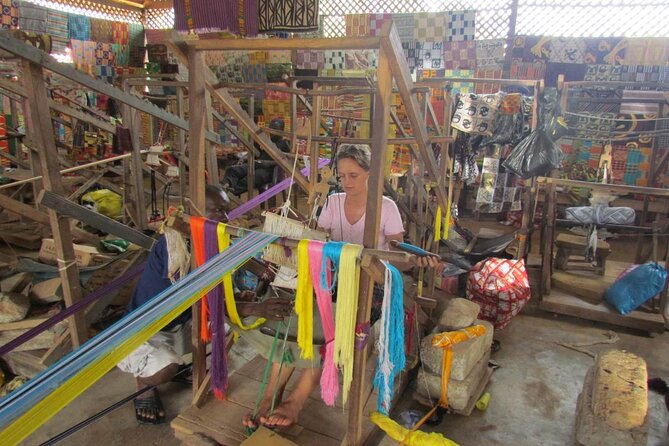
The Center for National Culture, also called the Craft Centre in Kumasi, shifts the focus from large-scale commerce to local production. You can watch artisans work with traditional methods to make Kente cloth, brass items, and pottery.
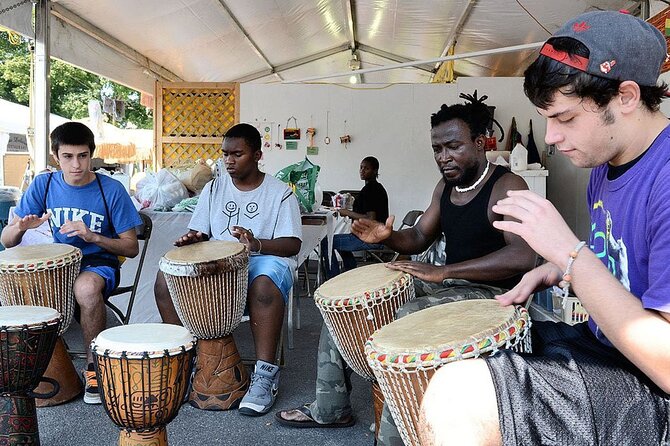
There may also be a chance to learn how to play local drums. The neighboring gift shop sells handmade goods, and the guide can help with price negotiations. This is a more controlled place to shop than Kejetia, particularly if you want to compare craft items without navigating a huge market.
The two shopping stops serve different purposes. Kejetia shows the full commercial life of Kumasi. The Center for National Culture offers a closer look at making and selling handmade objects. I would save some budget for both, but avoid buying the first piece you see. Prices and styles can vary.
Bonwire and the spider story behind Kente
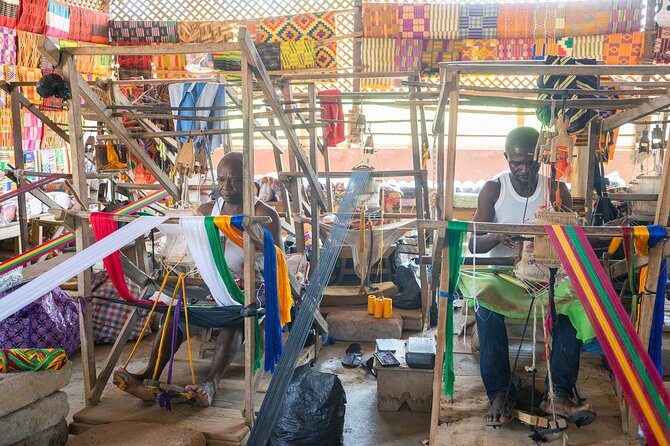
Bonwire is identified with Akan Kente cloth, one of Ghana’s best-known textile traditions. The local story says that two friends learned to weave by watching a spider spin its web. At the weaving center, you can see how the cloth is made from the beginning through the finished piece.
Two hours here is generous compared with a quick photo stop. You have time to observe the looms, ask questions, and consider buying Kente. This is one of the strongest parts of the day because the craft is not presented only as a finished souvenir. You see the work and skill behind it.
The tour information also names Adanwomase Kente Village as a possible weaving stop, while the detailed schedule names Bonwire. Ask which village your guide plans to visit. Both are presented as places where you can learn about Kente production, but the exact stop matters if you have a particular village in mind.
The overview also mentions Ntonso Adinkra Village, where traditional Adinkra is made locally from scratch and where you can make banners or clothing. That sounds like a valuable hands-on addition, but it is not listed as a timed stop in the detailed route. Confirm whether it is included, substituted for Bonwire, or available only on certain departures.
Lake Bosomtwe gives the day some breathing room

Lake Bosomtwe is described as Ghana’s only natural lake. After museums, markets, and craft demonstrations, the setting offers a change of pace, with rainforest around the lake and views from the surrounding mountains.
The visit is planned for about two hours, and admission is free. A boat cruise is available for an extra fee. A nearby horse ranch also offers rides through the forest and around the seven villages surrounding the lake, again for an additional charge.
Swimming and lakeside relaxation are part of the appeal, so bring a swimsuit if you want to use the water. This stop may be especially welcome after a long day of driving and walking. It also gives the schedule a less formal ending than another museum would.
There is one practical point to clarify. The tour overview describes a day centered on Kumasi, while the detailed stops include Lake Bosomtwe as the final visit. Because the day already involves long travel and several Kumasi sites, ask how much time is realistically available at the lake. You may need to choose between a boat ride, horse riding, swimming, or simply enjoying the shore.
What the private format changes
This is a private activity, so only your group participates. That gives you more control than a large coach outing. You can ask for help at the market, slow down for a senior member of your party, or spend more time at a craft stop if the schedule allows.
The experience has also been adapted for older people in at least one group, with planning and local contacts used to keep the day moving smoothly. That does not make the route effortless. The long road hours remain the main physical challenge, and you should discuss mobility needs before departure.
Pickup is offered from Kotoka Airport in Accra, and the tour ends back at the meeting point. The details state that service animals are allowed, public transportation is nearby, and most people can participate. Confirmation is received at booking.
Guide quality matters greatly here. Kwame Tours is the provider, and the names connected with the guiding and driving team include Kwame, Daniel, James, Joseph, and Mike. Daniel is especially associated with clear explanations and market bargaining, while James was noted for confirming pickup the day before and arriving early. Ask who will lead your particular departure, since the exact team can shape the experience.
How to prepare for a 12 to 16 hour day
Start with the basic fact that this is a road trip. The early departure used on one outing allowed the group to leave Accra before the day became more difficult, and an early start is likely to be useful for a six-hour drive to Kumasi.
Wear comfortable clothing and shoes. You will have time in markets, museums, craft centers, and possibly by the lake, so a flexible outfit is more useful than anything formal. Carry money for purchases and optional activities, but the supplied details do not specify accepted payment methods or the amount of cash you should bring.
If you want to buy Kente, Adinkra, beads, brassware, pottery, or spices, make a short list before setting out. Your guide can help you find the right market section and negotiate, but you still need to decide what fits your budget and luggage.
Also clarify the final route. The detailed schedule includes Manhyia Palace, the sword site, Kejetia, the Center for National Culture, Bonwire, and Lake Bosomtwe. The broader description additionally mentions Fort Kumasi, Prempeh II Jubilee Museum, Ntonso Adinkra Village, and either Bonwire or Adanwomase. Not every named place may fit into one 12 to 16 hour day.
Who gets the best value from this tour
I would recommend this trip to someone with a strong interest in Ghanaian history, textile traditions, markets, and cultural production. It is also a good choice if you are staying in Accra but do not have time to arrange a separate overnight visit to Kumasi.
Families and private groups can benefit from the flexible setup. The operator has accommodated a solo booking despite a reported four-person minimum issue on one booking platform, but I would not assume that exception is guaranteed. Confirm the minimum group requirement directly before paying if you are alone or traveling with a small party.
The tour is less suitable if you dislike early mornings, long drives, crowded markets, or a full schedule. You also should not book it expecting a slow, detailed museum day. The day’s value comes from variety and access, not from lingering at every stop.
Free cancellation is available if you cancel at least 24 hours before the local start time. Cancellations or changes made inside that window are not refunded or accepted.
Should you book the Accra to Kumasi day trip?
Book it if Kumasi is important to you and you have only one day to reach it from Accra. The combination of Manhyia Palace, the sword site, Kejetia, Kente weaving, and Lake Bosomtwe gives you several distinct ways to understand the Ashanti region. The private vehicle and local guide support are meaningful at a price of $280 per person, especially for a group.
Think twice if you want a restful holiday day. The road takes up much of the schedule, and the listed stops may need to be adjusted to fit the available hours. Before booking, confirm the departure time, exact guide, group minimum, and whether Fort Kumasi, Prempeh II Jubilee Museum, Ntonso, or Adanwomase are included.
For the right person, this is a demanding but worthwhile introduction to Kumasi, with far more substance than a quick city photo stop.
FAQ
Where does the tour start and end?
Pickup is offered at Kotoka Airport in Accra, Ghana. The activity ends back at the same meeting point.
How long does the full-day tour last?
The tour lasts approximately 12 to 16 hours. The remaining hours include travel between Accra, Kumasi, and the listed stops.
How far is Kumasi from Accra by road?
The drive from Accra to Kumasi takes about six hours, according to the tour information.
Is this a private tour?
Yes. Only your group participates in the activity.
Is admission included at the main attractions?
Admission is included for Manhyia Palace Museum, the Okomfo Anokye Sword Site, and Bonwire Kente Weaving Centre. The Center for National Culture has no admission charge, and Lake Bosomtwe is listed as free to enter.
Are activities at Lake Bosomtwe included?
Boat cruises and horse rides at Lake Bosomtwe cost extra. Swimming and relaxation by the lake are described as part of the stop, but no separate swimming fee is provided.
Can I cancel for a full refund?
Yes, if you cancel at least 24 hours before the experience start time. Cancellations made less than 24 hours in advance are not refunded, and changes inside that period are not accepted.
Just added around Accra
- Experience Aburi Botanical Gardens And Boti Water Falls In A Day.★ 5.0 · 3 reviews
- Experience Cape Coast Castle and Kakum National Park★ 4.5 · 3 reviews
- Accra city tour★ 4.5 · 3 reviews
- 7days/6nights Eco Tourism★ 5.0 · 3 reviews
- Half-Day City Tour of Accra★ 5.0 · 3 reviews
- 3 Days Accra City Tour & Cape Coast Tour★ 4.5 · 3 reviews
- Local Ghanaian Food Tasting Tours★ 5.0 · 3 reviews
- Accra Zoo, Canopy Walk and Botanical Gardens Private Tour★ 5.0 · 3 reviews
Accra Tours, compared.
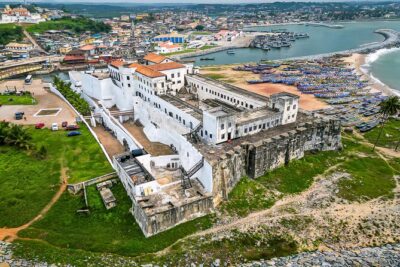
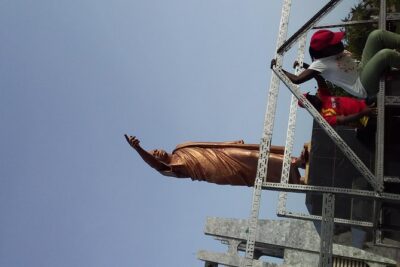
Experience the Beauty, History and the Culture Of Accra in a Day
Read our review →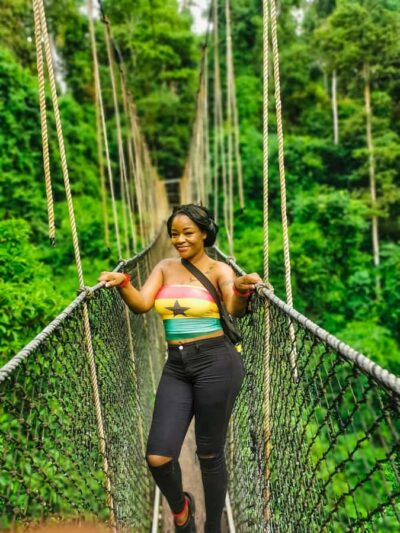
Cape Coast, Elmina Castle & Kakum Park Day Tour
Read our review →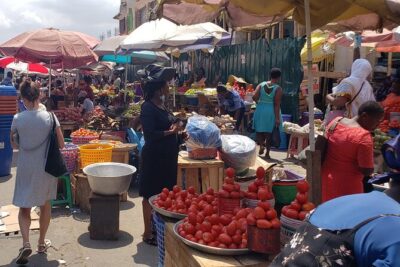
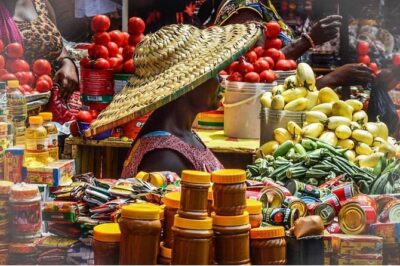
Boti Falls, Umbrella Rock, Aburi Gardens & Cocoa Farm Tour
Read our review →
Browse the lists this tour appears in