
Reviewed · ACCRA TOURS
African custom clothing making experience with fabric tour
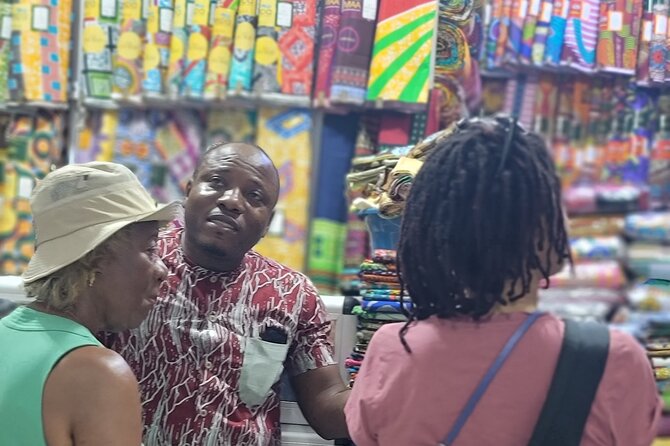
Makola Market is the heart of this experience. You do not simply buy a souvenir and head back to the hotel. You learn how Ghanaian fabrics are named, what their symbols mean, and how a chosen print becomes a garment made to your measurements. The fabric-shopping lesson gives the day its strongest cultural purpose.
I especially like the chance to choose from about 100 African prints, then take part in measuring, cutting, and basic sewing. I also like that snacks, drinks, equipment, fabric, and hotel transport are included. The main consideration is time: six hours is a long appointment, and the final garment is completed with help from a studio assistant while you eat, so this is a guided introduction to clothing making rather than a full tailoring course.
Key points at a glance
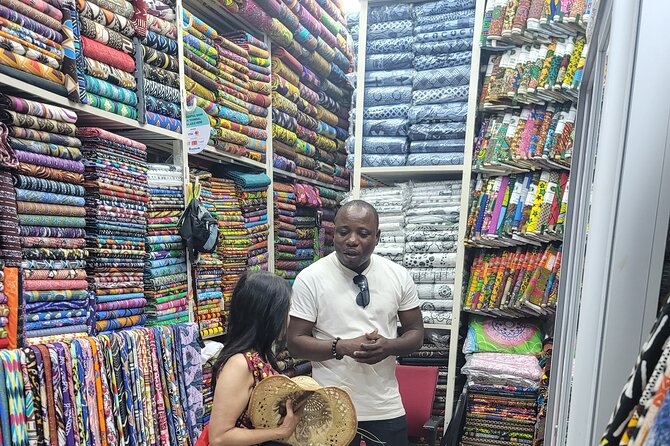
- Makola Market fabric tour: Learn about Ghanaian textile types, including kente, and the meanings behind printed symbols.
- About 100 fabric choices: Select the African print that will become your dress, shirt, caftan, or another agreed item.
- Hands-on workshop: Take measurements, cut fabric, and learn basic stitching or hand sewing with studio guidance.
- Finished custom clothing: The assistant completes the garment while you enjoy snacks and drinks.
- Private six-hour outing: Only your group participates, with pickup and drop-off offered.
- Good advance planning: The experience is commonly booked about seven days ahead, and free cancellation is available up to 24 hours before the start.
Starting with fabric stories at Makola Market
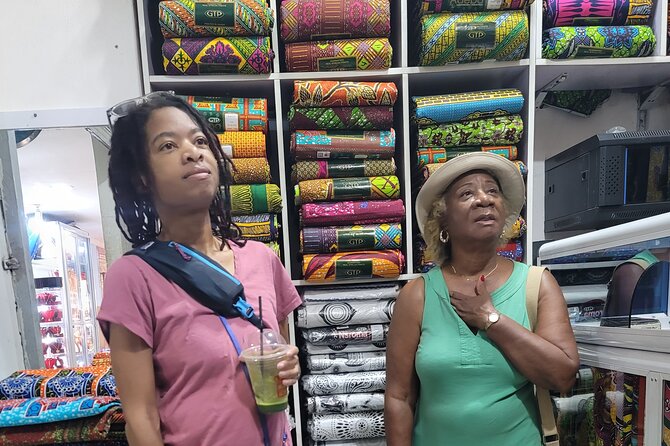
The day begins at Makola shopping mall’s new building on Market Street in Accra, listed at GQWV+67G. Pickup is offered, and transport may be provided to the market, so confirm the exact meeting arrangement when you book. The market is not a quick backdrop for photographs. It is where you make the key decision of the day: which cloth will carry your garment home.
Your guide takes you through different Ghanaian fabrics and explains their names and symbols. That matters because the print is not just decoration. Patterns can carry ideas, messages, or cultural references, and learning about them gives your clothing a stronger connection to Ghana than choosing a random colorful bolt from a shop.
One particularly useful part is the explanation of different kente fabrics and their symbols. Kente is often associated with Ghana, but the experience helps you look beyond the general label and notice the meaning attached to particular designs. If you care about buying textiles responsibly and understanding what you wear, this market lesson is more valuable than a standard souvenir stop.
The practical challenge is choice. With around 100 prints available, you could spend too long comparing colors and patterns. Go in with a rough idea of the garment you want and the colors you normally wear, but leave room for a design that catches your eye. Ask about the fabric type, the symbol meanings, and how well the pattern suits a shirt, dress, or caftan before you decide.
A few more Accra days to weigh up
- The Cape Coast Day Tour
★ 5.0 · 525 reviews - Experience the Beauty, History and the Culture Of Accra in a Day
★ 5.0 · 323 reviews - The Cape Coast Tour
★ 5.0 · 177 reviews
Choosing a print for a dress, shirt, or caftan
The advertised garment options are a custom African print dress, shirt, or caftan. You may also discuss another African print item in advance, but that possibility should be settled by message before the day. The more specific you are about your preferred style, the easier it will be for the studio to plan the work.
This is where the $240 price needs some context. You are paying for more than cloth. The fee covers the fabric, a private guide-led market visit, transport, sewing equipment, instruction, snacks, bottled water, soda, taxes, and a completed custom garment. The price can make sense if you value the process and the cultural explanation, not just the final piece of clothing.
It is harder to judge the value if you are mainly seeking the cheapest made-to-measure outfit. A local tailor or market purchase might cost less, but it would not necessarily include a textile tour, practical instruction, private transport, and a six-hour cultural activity. Before booking, ask what garment size, cut, and finish are included, especially if you want a style beyond the standard dress, shirt, or caftan.
The fabric cost is included, which removes one common worry during shopping. You should still make sure the chosen print is suitable for the shape you want. A large repeating pattern may look different once cut into sleeves or panels, and a busy design may need careful placement. The experience gives you guidance, but your final choice remains important.
Taking measurements and learning the workshop basics
After the market visit, you go to the workshop. Here you learn how body measurements are taken for custom African clothing. This is a useful step for anyone who has bought loose clothing abroad and wondered why the fit feels almost right but not quite right.
The activity is hands-on. You participate in the measuring process and then learn how the pattern and fabric pieces are cut. The supplied equipment and training are included, so you do not need to bring sewing tools. The studio assistant guides or helps you as you work.
Expect an introduction rather than professional-level tailoring instruction. You learn basic stitching or hand sewing while your garment comes together. That gives you a better sense of the labor behind custom clothing, but you should not expect to leave able to draft a full pattern or sew an entire outfit independently.
The private format helps here. Only your group takes part, so the pace can focus on your garment and your questions. It also makes the activity a better fit for families, couples, or friends who want a shared project rather than a large class. Most people can participate, and the activity is near public transportation if you need to make your own way there.
Cutting, stitching, and the final fitting
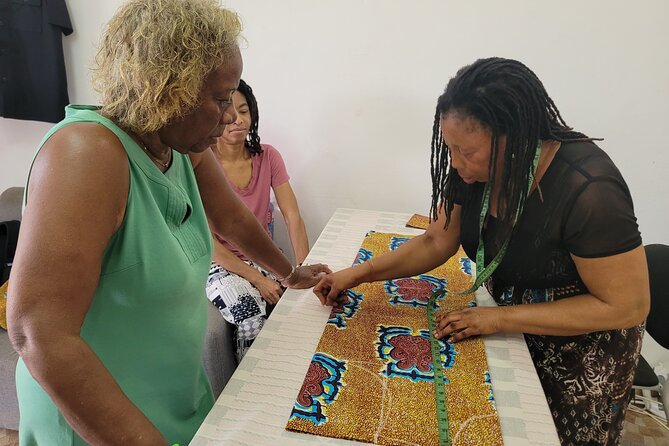
Cutting is the moment when your chosen fabric stops being a market purchase and becomes your own garment. You help cut the pattern and pieces, then take part in basic stitching or hand sewing. An expert studio assistant remains available to guide the process.
This part gives the experience its strongest personal touch. You are not simply handed a finished outfit after a measurement session. You see some of the decisions that shape it and get a practical lesson in how the cloth is assembled. Even a beginner can take part because the equipment and training are supplied.
Still, keep your expectations realistic. The information says the assistant completes the dress, shirt, or caftan while you enjoy snacks. In other words, your contribution is meaningful but limited. You will learn and participate, while a trained person handles the more demanding finishing work.
That arrangement is sensible for a six-hour experience. A complete garment made entirely by a first-time sewer would take much longer and could produce an uneven result. The assistant’s work gives you a better chance of going home with something wearable, while your own stitching provides the memorable workshop element.
Ask about the expected finishing details if those matter to you. The experience promises a custom-fit African wear item, but it does not specify particular necklines, sleeve styles, closures, lining, or alteration services. A short message before the visit can prevent disappointment.
Same departure point, a completely different day out:
- From Accra: Cape Coast, Elmina Castle & Kakum Park Day Tour
★ 4.6 · 144 reviews - Accra Detailed City Tour
★ 4.5 · 118 reviews - Accra Guided City Tour Experience
★ 4.7 · 88 reviews - Accra Guided City Tour Experience
★ 5.0 · 76 reviews
Snacks, drinks, and a useful pause
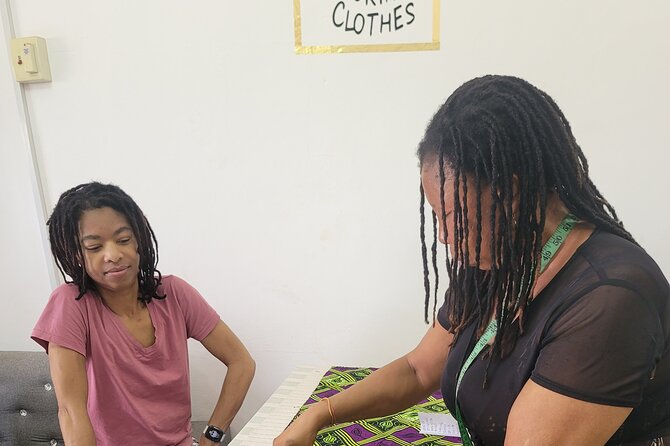
Snacks are served while the studio assistant completes the garment. Bottled water and soda are also included. This is a small detail, but it matters because the activity lasts about six hours and combines walking or transport, market shopping, instruction, and workshop time.
Lunch and dinner are not included. Plan around that. The included refreshments should cover a break, but they are not a full meal. If you have dietary needs, ask what snacks are available before the tour rather than assuming they will suit you.
The pause also lets you watch the finishing work. You can see your fabric take its final shape while the assistant handles the last steps. That may be less hands-on than some people expect, but it is a useful chance to observe the professional part of the process and check the garment as it nears completion.
A previous participant particularly enjoyed the fabric shopping and the explanations about kente and its symbols, then was very happy with the finished garment and wanted to repeat the experience. That praise points to the day’s strongest combination: an interesting market lesson followed by a tangible result you can wear.
What you take home at the end
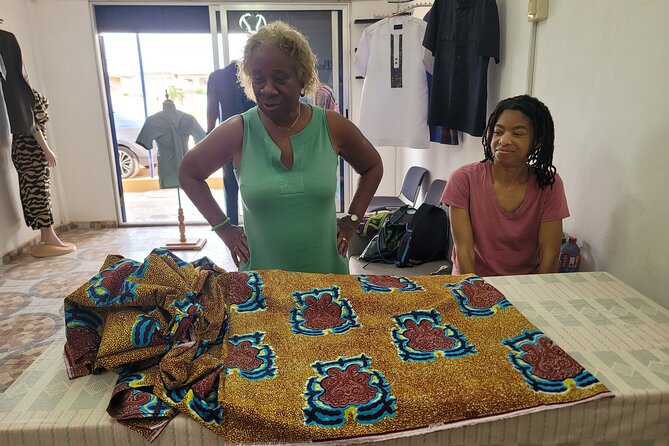
The stated result is a custom African print dress, shirt, caftan, or another agreed item. Because measurements are taken during the workshop, the clothing is intended to fit you rather than come straight from a rack. The final garment is the lasting souvenir, but the market and sewing lessons give it more meaning.
You also leave with a clearer idea of how Ghanaian print clothing is made. You have handled the fabric, considered its symbols, helped cut the pieces, and practiced basic stitching. That is a more personal purchase than picking up a finished item in a gift shop.
The experience provider is Renaissance Cultural Tours. No individual guide is named in the available details, so you should not expect a particular host unless the company confirms one after booking. Confirmation is received at the time of booking, which gives you a chance to ask about pickup, garment style, and any special requests.
The day is offered Monday through Sunday from 9 a.m. to 6 p.m., with the activity lasting about six hours. Since the experience is commonly booked about seven days in advance, reserve early if your Accra schedule is tight. The private format is appealing, but it may also mean less flexibility if your group runs late or wants to make major changes on the day.
Transport, meeting points, and timing
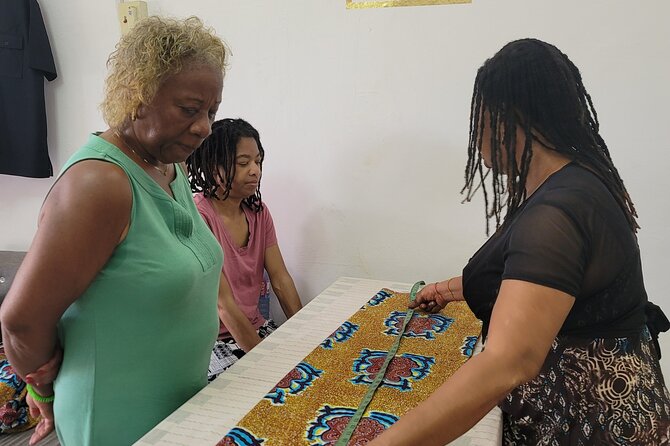
Pickup and drop-off are included, along with an air-conditioned vehicle. The details also list Makola shopping mall’s new building as the start point and say the activity ends back at the meeting point. Elsewhere, the inclusions state hotel pickup and drop-off.
That is a small but important inconsistency. Confirm whether you will be collected from your hotel and returned there, or whether you need to meet and finish at Makola. The answer may depend on your booking details and location. Do not leave this question until the morning of the tour.
The market and workshop make the six-hour length reasonable, but allow enough room in your Accra itinerary. This is not an activity to squeeze between a morning flight and an afternoon appointment. The fabric choice, measurements, cutting, sewing practice, and final completion all need time.
The experience requires good weather. If poor weather cancels the outing, you are offered another date or a full refund. Since transportation and market walking are part of the day, check the forecast and keep a little flexibility in your schedule.
Who will enjoy this experience most
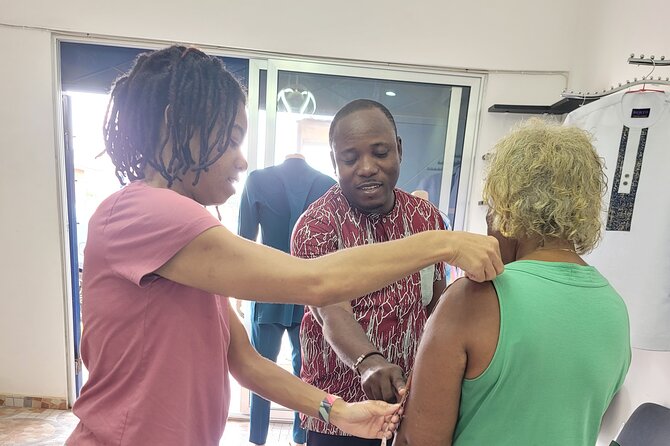
I would recommend this for you if you want clothing with a story and enjoy taking part in a creative activity. It suits first-time visitors who want a direct introduction to Ghanaian textiles, as well as returning visitors looking for something more personal than standard sightseeing.
It is also a good choice for people who like practical souvenirs. A finished dress, shirt, or caftan takes up little space compared with a large craft purchase, and you can continue using it long after your holiday. The private setting works well for a small group that wants to learn together.
You may want to skip it if you dislike shopping, need a very fast tour, or expect to sew every part of the garment yourself. It may also be a poor fit if you need a highly specialized design that has not been agreed in advance. The standard offering is built around a dress, shirt, or caftan in African print.
The current rating is 4.3 from three reviews, so treat that number as an early guide rather than a final verdict. The strongest praise is specific: the fabric shopping was interesting, the explanations about textile symbols were useful, and the finished garment pleased the participant. Those are the elements most likely to shape your own experience.
Should you book the Makola fabric and clothing workshop?
Book it if you want a six-hour private activity that joins Accra market shopping with a finished piece of clothing. The best value comes from the combination of fabric education, custom measurements, basic sewing instruction, refreshments, transport, and the garment itself.
Before paying, send a message confirming your pickup point, the garment you want, the available size and style options, and whether a special item can be made. Also plan for a real meal separately. If those details suit you, Renaissance Cultural Tours offers a thoughtful way to turn Ghanaian fabric into a personal souvenir, with enough hands-on work to make the final outfit feel like part of your own project.
FAQ
How long does the African custom clothing experience last?
The experience lasts approximately six hours.
Where does the experience begin?
The listed starting point is Makola shopping mall’s new building, GQWV+67G, Market Street, Accra, Ghana.
Is hotel pickup available?
Yes. Pickup and drop-off are included, and an air-conditioned vehicle is provided. Confirm the exact arrangement because the meeting details also state that the activity ends back at the meeting point.
What type of clothing can I make?
The standard choices are an African print dress, shirt, or caftan. You can discuss the possibility of another African print item by message.
Is the fabric included in the price?
Yes. The cost of the African print or fabric is included.
How many fabric designs can I choose from?
You can choose from about 100 African print options.
Do I need to bring sewing equipment?
No. The provider supplies the sewing equipment and training on how to use it.
Are food and drinks included?
Snacks, bottled water, and soda are included. Lunch and dinner are not included.
Is this a private activity?
Yes. Only your group participates.
Can I cancel for a full refund?
Yes, if you cancel at least 24 hours before the experience start time. Cancellations made less than 24 hours before the start, and changes made within that period, are not accepted for a refund.
Just added around Accra
- Experience Aburi Botanical Gardens And Boti Water Falls In A Day.★ 5.0 · 3 reviews
- Experience Cape Coast Castle and Kakum National Park★ 4.5 · 3 reviews
- Accra city tour★ 4.5 · 3 reviews
- 7days/6nights Eco Tourism★ 5.0 · 3 reviews
- Half-Day City Tour of Accra★ 5.0 · 3 reviews
- 3 Days Accra City Tour & Cape Coast Tour★ 4.5 · 3 reviews
- Local Ghanaian Food Tasting Tours★ 5.0 · 3 reviews
- Accra Zoo, Canopy Walk and Botanical Gardens Private Tour★ 5.0 · 3 reviews
Accra Tours, compared.
Experience the Beauty, History and the Culture Of Accra in a Day
Read our review →
Cape Coast, Elmina Castle & Kakum Park Day Tour
Read our review →
Boti Falls, Umbrella Rock, Aburi Gardens & Cocoa Farm Tour
Read our review →
Browse the lists this tour appears in