
Reviewed · ACCRA TOURS
4 Days Cultural and Village Stay Experience
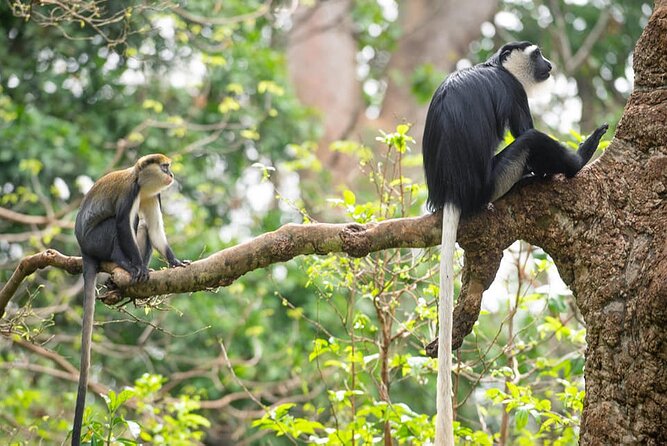
The heart of this four-day trip is Boabeng-Fiema, a village where Mona monkeys and black-and-white colobus monkeys live close to the local people. You are not simply looking at animals from a path. You are learning how a community protects them, honors them, and fits daily life around an old local tradition.
I like the pairing of Ashanti royal museums with village activities, and I like the slow pace at Boabeng-Fiema, where you have time for a shrine visit, a farm walk, a community tour, and traditional dancing. The main drawback is the price, $1,107.70 per person, especially since the published details do not spell out every transport, lodging, meal, or flight inclusion.
Key points
- Sacred monkey sanctuary: See Mona and black-and-white colobus monkeys in a village setting, not just a standard wildlife enclosure.
- Ashanti royal culture: Visit Manhyia Palace Museum and the Prempeh II Jubilee Museum in Kumasi.
- Village contact: Meet the Monkey Priest, the human representative of the monkeys and caretaker of Darrow Shrine.
- Hands-on rural day: Join a local family at a farm with cashew, cassava, yam, plantain, and vegetables.
- Culture after sunset: A community tour and traditional dance offer a direct look at village life.
- Private format: Only your own group takes part, with pickup offered and a planned return to Accra by flight from Kumasi.
Why Boabeng-Fiema is the real center of the trip
Many Ghana tours rush from one sight to the next. This one gives Boabeng-Fiema two full days and parts of two others. That matters. The sanctuary is not just a quick wildlife stop. It is also a village, a place of worship, a farming community, and a setting where local customs shape the way people treat the animals.
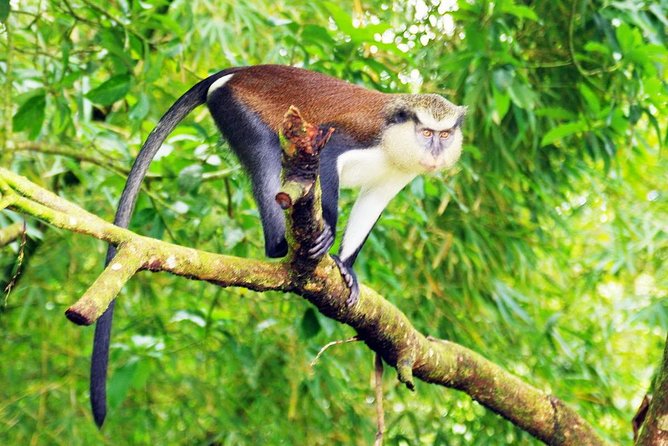
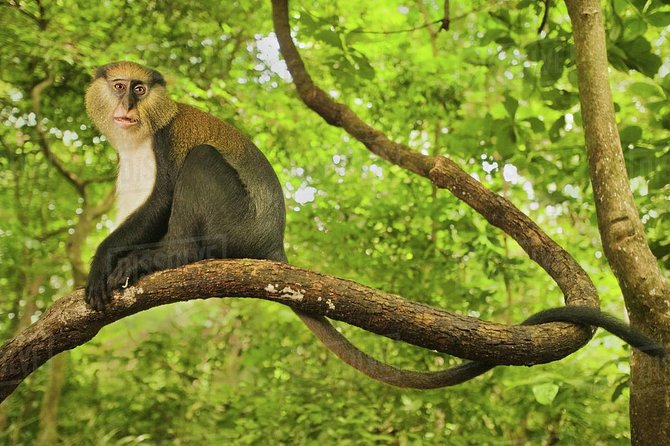
You begin to understand the place through the monkeys themselves. The morning visit focuses on Mona monkeys and black-and-white colobus monkeys, including how the two types interact. You might find the experience especially rewarding if you prefer observing animal behavior in a lived-in setting rather than moving through a conventional zoo.
The second visit takes you to the Monkey Priest, described as the human representative of the monkeys and caretaker of Darrow Shrine. This is the part that gives the sanctuary its cultural meaning. Your guide can connect the animals with local beliefs and explain why the community treats them with such care.
A practical note: the schedule gives two hours for each of these sanctuary visits. That is enough for a focused walk and explanation, but it is not a full wildlife research outing. Sightings and animal activity can never be guaranteed, so approach this as a cultural and nature experience rather than a checklist of close encounters.
A few more Accra days to weigh up
- 4 Days Trip in Accra, Cape Coast,Kumasi culture & heritage tours
★ 5.0 · 5 reviews - 4 Days Safari to Mole park and Wechiau Hippos
★ 5.0 · 19 reviews
Manhyia Palace and the Ashanti royal story
The first day opens with Manhyia Palace Museum, the former residence of the Ashanti King. You have about two hours here, with admission included. This is a useful start because it gives you political and royal context before you reach the village.
The palace visit should help you place Kumasi and the Ashanti kingdom within Ghana’s wider story. Displays in a former royal residence can feel more immediate than a general city museum because the building itself is part of the subject. Take time to notice how royal life, leadership, and public identity are presented.
The schedule does not provide a detailed list of exhibits, so your guide’s explanation will matter. If you enjoy asking questions, this is a good moment to ask about the Ashanti king, palace traditions, and how the museum relates to modern Kumasi.
The two-hour slot is generous enough for a proper visit, though the day becomes a long one once you add the next museum and the drive toward Boabeng-Fiema. Wear practical shoes and keep some water close. The tour requires a moderate level of physical fitness, and the combination of road time and walking can make the first day tiring.
Prempeh II Museum adds a second royal viewpoint
The Prempeh II Jubilee Museum is located in the Kumasi Cultural Centre. The visit lasts about two hours and focuses on this important Ashanti king. Coming after Manhyia Palace Museum, it creates a useful comparison rather than repeating the same stop.
I like this structure because one museum introduces the royal residence while the second gives a more focused look at a specific ruler. You get two angles on Ashanti culture before shifting from the city to the village.
Still, museum fatigue is possible. Two two-hour museum visits on the same day ask for attention, especially if you are more interested in nature and daily life than formal exhibits. If that sounds like you, treat these museums as essential background, not the entire point of the trip. Their value becomes clearer later, when you see how local customs and community life are explained at Boabeng-Fiema.
Admission is listed as included for both museums. The details do not state whether meals, hotel stays, or all road transport are included, so ask Skyway Safari & Tours Ghana to confirm the full package before paying.
Arriving in Boabeng-Fiema for a slower evening
The first day continues to Boabeng-Fiema, where the program shifts from royal museums to village life. This change of pace is one of the tour’s strengths. Instead of spending four days in cities, you get time in a rural community and a chance to see how people live alongside the sanctuary.
The initial sanctuary visit is scheduled for two hours. It introduces the ancient village and the relationship between local people and the monkeys. The word harmoniously is often used for this relationship, but the useful question is what that means in practice. The following visits provide the answer: a local religious representative, a village walk, a farm visit, and a traditional performance.
You are not promised a luxury resort experience. The available information describes a peaceful village setting and says you will be well cared for, but it does not give a named hotel or a full accommodation description. Ask for those details if comfort, private bathrooms, or room standards matter to you.
The village setting is best for someone who wants quiet and contact with local people. It may feel too basic for someone looking for nightlife, a polished city hotel, or a tightly packed list of major attractions.
Same departure point, a completely different day out:
- The Cape Coast Day Tour
★ 5.0 · 525 reviews - Experience the Beauty, History and the Culture Of Accra in a Day
★ 5.0 · 323 reviews - The Cape Coast Tour
★ 5.0 · 177 reviews - From Accra: Cape Coast, Elmina Castle & Kakum Park Day Tour
★ 4.6 · 144 reviews
A morning with monkeys and local meaning
Day two starts with another two-hour sanctuary tour. This is a good design choice. Seeing the site once can introduce you to it, but a second visit gives you time to notice behavior, listen more closely, and ask questions that occur after the first explanation.
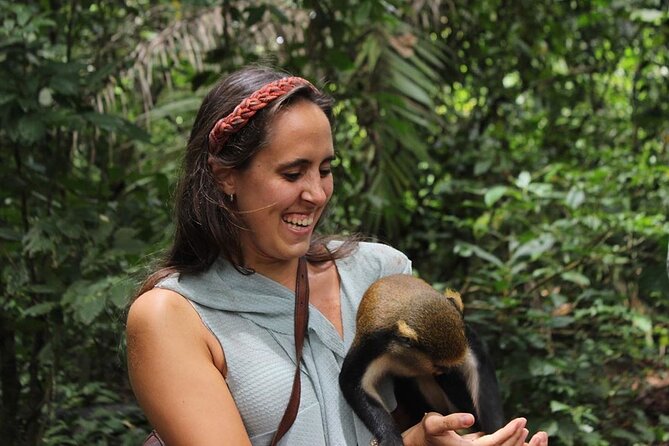
The focus is on Mona monkeys and black-and-white colobus monkeys and how they interact. You may see the two types moving through the same area, but the exact encounter depends on the animals. Do not expect a staged feeding show or guaranteed close contact. The appeal is the setting and the local care behind it.
A guide can also help you avoid treating the monkeys as props. The sanctuary is part of a community with its own beliefs and rules. Follow instructions, keep a respectful distance, and avoid assuming that every animal should be approached or touched.
The tour is private, which helps here. With only your group participating, you can ask for more time on a point that interests you instead of following a large crowd. The listing identifies Skyway Safari & Tours Ghana as the provider, and Emmanuel and Sampson are names associated with its guiding and guest support. Confirm who will lead your departure, since guide assignment is not guaranteed in the supplied details.
Meeting the Monkey Priest at Darrow Shrine
The afternoon courtesy visit to the Monkey Priest is one of the most distinctive parts of the program. He is described as the human representative of the monkeys and the caretaker of Darrow Shrine. This is not a routine sightseeing stop. It gives you a direct way to learn how spiritual belief, wildlife protection, and community identity meet in Boabeng-Fiema.
The word courtesy matters. You should approach this visit with respect rather than the attitude of a performance arranged for outsiders. Listen first. Your guide can help explain local customs and tell you when questions or photographs are appropriate.
The schedule allows two hours, enough for an unhurried meeting and explanation. Since the visit is tied to a shrine, modest clothing and polite behavior are sensible, even though a formal dress code is not stated. Keep your questions curious and simple. Asking how the sanctuary is cared for may lead to a more useful conversation than asking for a dramatic legend.
Village walking and traditional dance in the evening
The evening community tour shows you the village beyond the sanctuary paths. You learn about local ways of life and finish with a traditional dance performance from local people.
This is likely to be one of the most human parts of the trip. A museum can explain a culture, but a village walk lets you see the places where people work, gather, and live. The dance adds sound and movement to what you have learned during the day.
Keep your expectations realistic. A community performance is not the same as a professional theater show, and that is exactly why it can feel more personal. The schedule gives two hours, so the experience is likely to be a compact evening activity rather than a full-night celebration.
Your role matters. Ask before taking photographs, respond to the dancers with respect, and remember that you are entering a real community, not a stage set. The peaceful character of the village is part of the appeal. It also means you should not expect a long menu of evening entertainment.
Farming with a local family on Day 3
After breakfast on the third morning, you join one of the village families at a farm. The crops listed include cashew, cassava, yam, plantain, and vegetables. This is a strong addition because it moves beyond watching a performance or hearing an explanation. You see the work that supports daily life.
The farm visit can help you understand why the village feels different from Kumasi. Food production is not an abstract topic here. The crops are part of the local economy and household routine. You might learn how several types of produce are grown and used, though the exact activities depend on the family and season.
The full morning and afternoon program is allotted six hours, including the trip to Kintampo Water Falls. That makes this the longest activity block of the tour. Wear sturdy footwear, bring water, and be ready for uneven ground. The moderate fitness requirement is most relevant here, as well as on the waterfall visit.
The details do not say that you will be planting, harvesting, or doing physical farm work. Expect a visit and explanation, not a guaranteed work session. If you want to take part in a specific task, ask the guide what is appropriate when you arrive.
Kintampo Water Falls gives the rural day a second focus
The trip to Kintampo Water Falls follows the farm visit on Day 3. The schedule groups both activities into six hours, so the waterfall is a substantial half-day outing rather than a quick photograph stop.
Waterfalls reward patience, but they also require care. Paths can be uneven, and the physical demands of the day will depend on the walking route and conditions. The supplied information confirms admission is included, but it does not describe swimming arrangements, changing facilities, or the exact walking distance. Do not assume those extras are part of the plan.
I like the pairing of the farm and waterfall because one shows how people use the land and the other shows its natural side. You get a fuller picture of the area without adding another museum or city transfer.
Weather matters throughout this trip. The experience requires good weather, and poor conditions can cause a cancellation. If that happens, the provider offers another date or a full refund, but the policy also says the booking is otherwise non-refundable and cannot be changed for any reason.
Monkey masks, paintings, and the return to Accra
The final morning begins at the sanctuary souvenir shop. You can see Monkey Masks and paintings made available there. This is a better time to shop than at the end of a rushed city tour because the objects connect directly to the place you have visited.
The description does not promise that purchases are included, nor does it give prices or payment details. Bring only what you need and ask the guide about packing fragile artwork for the journey.
After the shop, you leave Boabeng-Fiema for Kumasi to catch a flight to Accra. The transfer is listed as about three hours. That timing is important. Your departure flight must allow enough room for the road journey, airport procedures, and any unexpected delay. The booking information says pickup is offered and the meeting time is 8:00 am, but confirm the exact pickup point and flight arrangements before departure.
This final transfer also shows why the tour is not simply a four-day Kumasi excursion. It is a route linking Accra, Kumasi, Boabeng-Fiema, Kintampo, and the return flight. The logistics are part of the cost and should be clarified in writing.
Is $1,107.70 a fair price?
At $1,107.70 per person, this is a major purchase. Its value depends on what Skyway Safari & Tours Ghana includes beyond the admission tickets listed in the schedule.
The price makes more sense if it covers private guiding, road transfers, village accommodation, meals, the internal flight from Kumasi to Accra, and coordination with the community. The published information confirms admission tickets and pickup availability, but it does not clearly itemize each of those costs. Ask for a written breakdown before booking.
I see three things that can justify a higher price:
- You get a private trip, so the timing and questions are for your own group.
- The program gives Boabeng-Fiema several visits instead of treating it as a quick stop.
- The experience combines museums, wildlife, religion, village life, farming, dance, crafts, a waterfall, and a return flight.
The price is harder to defend if you must pay separately for lodging, most meals, major transport, or the flight. A cheaper city-based tour may cover fewer experiences, but it could also give you more control over where you sleep and what you add.
Who should book this four-day experience?
I would choose this for someone who wants Ghanaian culture presented through people and places, not only through monuments. It suits you if you enjoy quiet villages, guided conversations, local traditions, wildlife observation, and a schedule that gives one community real attention.
It is also a good fit for a private group that wants a guide to handle a complicated route. The program crosses several locations, and private transport and coordination can be worth paying for if they are included.
I would hesitate if your main goal is a safari, luxury accommodation, or a relaxed beach holiday. Monkey sightings are not guaranteed, the physical requirement is moderate, and the long first and third days may feel demanding. I would also hesitate if you dislike uncertain details about accommodation and inclusions. Get those answers before you commit.
Final verdict: book it for culture, not speed
Book this tour if you want the unusual combination of Ashanti royal sites and a village where monkeys are part of community life. The Monkey Priest, Darrow Shrine, farm visit, village dance, and repeated sanctuary walks give the trip a human scale that a quick Ghana highlights tour cannot match.
Before paying, confirm the hotel, meals, road transport, Kumasi to Accra flight, and exact pickup plan. If those major costs are included, the $1,107.70 price may be reasonable for a private four-day program. If they are not, compare the total cost with a custom itinerary.
The best reason to go is not simply to see monkeys. It is to understand why they remain protected, how the village lives with them, and how that relationship fits into a wider journey through Ashanti culture.
FAQ
Where does the experience take place?
The tour is listed in Accra, but the program visits Kumasi, Boabeng-Fiema Monkey Sanctuary, and Kintampo Water Falls before returning to Accra by flight from Kumasi.
What time does the tour start?
The stated start time is 8:00 am.
Is pickup available?
Yes. Pickup is offered, but the exact pickup point should be confirmed when you book.
Are admission tickets included?
Admission tickets are listed as included for the Manhyia Palace Museum, Prempeh II Museum, Boabeng-Fiema Monkey Sanctuary visits, and Kintampo Water Falls.
Is this a private tour?
Yes. Only your group will participate in this private activity.
What happens if bad weather cancels the experience?
The experience requires good weather. If it is canceled because of poor weather, you will be offered a different date or a full refund. For other cancellations or amendments, the payment is non-refundable and cannot be changed.
Just added around Accra
- African custom clothing making experience with fabric tour★ 4.5 · 3 reviews
- Full Day Accra Guided Tour★ 5.0 · 3 reviews
- 2Days private explore volta region★ 5.0 · 4 reviews
- Private Airport Transfer to from ACC Kotoka by Business Car★ 5.0 · 4 reviews
- Black History Tour – Back to Your Roots (Accra to Assin to Cape Coast to Elmina)★ 5.0 · 4 reviews
- Bird watching tours , cultural and historical tours of Ghana.★ 4.0 · 4 reviews
- Explore the Beautiful History of Accra City★ 5.0 · 4 reviews
- Explore Aburi Botanical Gardens And Boti Falls★ 5.0 · 4 reviews
Accra Tours, compared.
Experience the Beauty, History and the Culture Of Accra in a Day
Read our review →
Cape Coast, Elmina Castle & Kakum Park Day Tour
Read our review →
Boti Falls, Umbrella Rock, Aburi Gardens & Cocoa Farm Tour
Read our review →
Browse the lists this tour appears in