
Reviewed · ACCRA TOURS
Local Ghanaian Food Tasting Tours
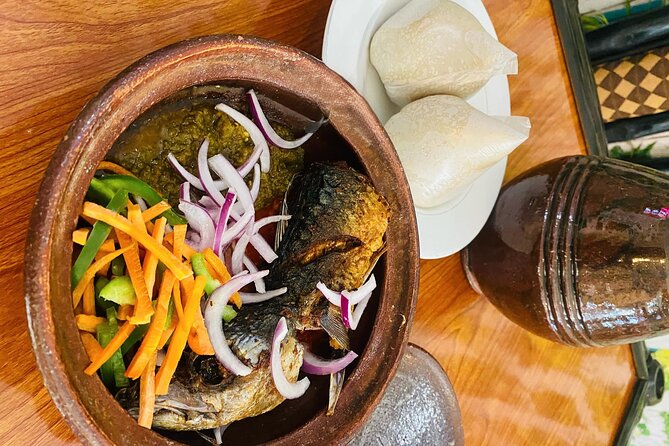
Ghanaian food is the main event here, but the best part is the setting around it. You may sit down to jollof rice, grilled tilapia, and other local dishes while music and conversation turn a meal into a friendly introduction to Accra. Ransfor and Kofi are named guides connected with the experience, and the tour is private to your group.
I like two things in particular: the menu can follow your tastes, and the food is paired with local games and drinks instead of stopping at the restaurant table. A market visit and a possible short stop at the Kwame Nkrumah museum can also add useful context. The main drawback is the price, $145 per person, which is a serious outlay for a five-hour food experience.
Key points to know before booking
- A private five-hour outing: Your group participates alone, making it easier to ask questions and shape the food choices.
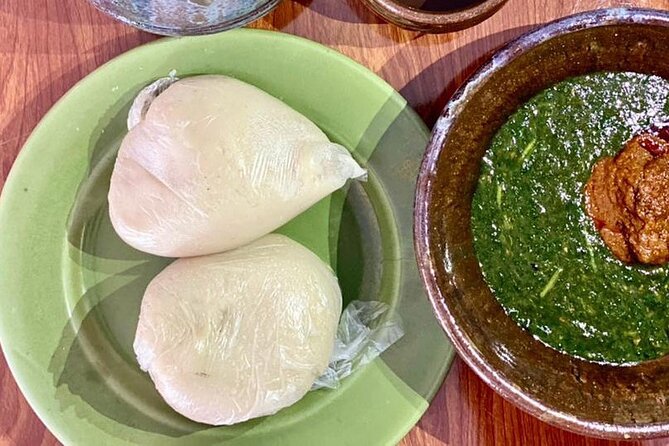
- Food comes first: Expect Ghanaian dishes such as jollof rice and grilled tilapia, with additional choices based on your preferences.
- Market and restaurant eating: The experience can include food in a local market and a sit-down restaurant meal.
- Culture beyond the plate: Indoor games rooted in Ghanaian traditions add a social, playful part to the afternoon.
- Locally made drinks: The final part may include Ghanaian beverages, from refreshing brews to traditional concoctions.
- Pickup is offered: This is useful in Accra, where arranging transport can otherwise take time and attention.
What this Accra food tour is really offering
This is not simply a restaurant reservation with a guide attached. It is designed as a five-hour introduction to Ghana through food, conversation, play, and drink. You get a private outing rather than a shared group, so your guide can spend more time explaining dishes and responding to your preferences.
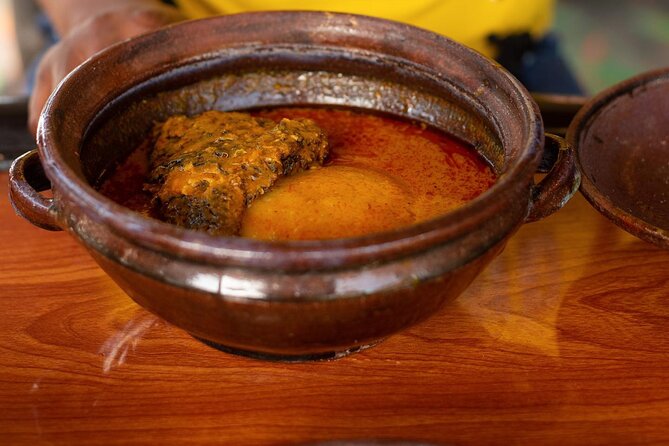
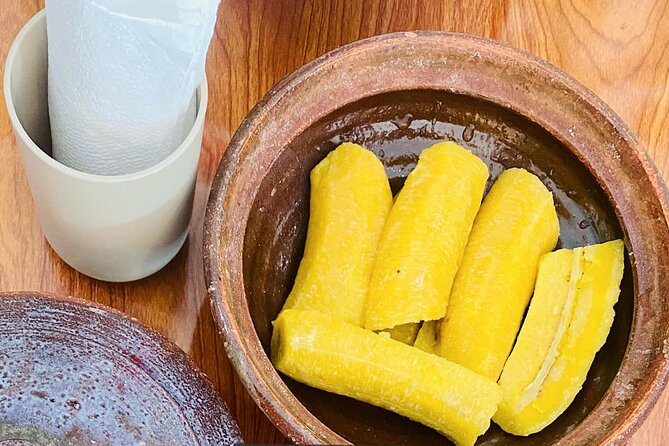
The food is the anchor. Ghanaian cuisine has plenty to offer beyond the familiar jollof rice, and the menu is described as a handpicked selection of local specialties. You should expect the exact dishes to depend on your tastes and the food available that day. That flexibility is useful if you are trying Ghanaian food for the first time or need to avoid certain flavors.
The experience also aims to show how food fits into daily life. A meal in a local restaurant gives you a more settled setting, while market sampling puts you closer to the ordinary rhythm of buying and eating food in Accra. Those two settings work well together. One gives you time to sit and ask questions. The other gives you a quicker, more immediate look at local food culture.
More food tours in Accra:
- Local Ghanaian Food Tasting Tour
★ 4.1 · 9 reviews - Accra Street Food Tour: Makola Market Tour With Full Lunch
★ 4.1 · 9 reviews - Accra Street Food Tour: Osu Night Market Tour Experience
★ 4.7 · 8 reviews
Starting with Ghanaian dishes at the restaurant
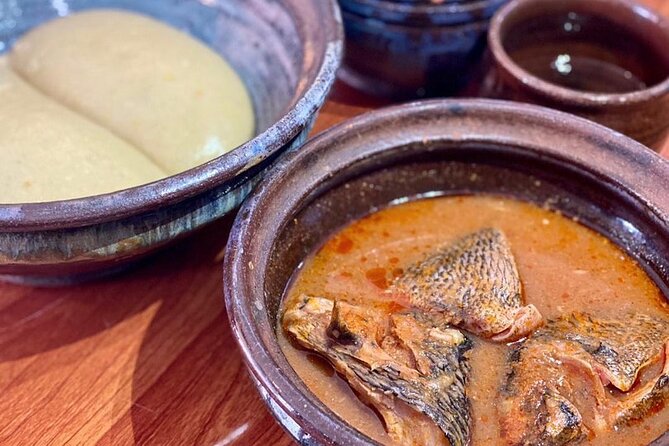
A restaurant meal appears to be one of the main anchors of the outing. You can expect familiar Ghanaian favorites, including jollof rice and grilled tilapia, along with other dishes selected to represent the country’s varied cooking traditions.
Jollof rice is a good first taste because it is filling, strongly seasoned, and familiar enough to help you get oriented. Grilled tilapia offers a different experience, with the fish providing a lighter contrast to rice and other hearty dishes. The point is not just to eat a large meal. Your guide can help explain what is on the table and how each dish fits into Ghanaian food culture.
One useful detail is that your preferences take center stage. If you already know you like spicy food, fish, rice dishes, or local drinks, say so early. If you are cautious, ask for a gradual introduction rather than accepting every dish at once. Since this is a private tour, you have more room to make those requests than you would on a fixed group outing.
You should also arrive ready to eat. One visitor left full and happy after trying the local dishes, and the food portions appear generous enough that you may not want a large meal immediately before pickup. That is a small but practical point. A food tour is more enjoyable when you have room to sample rather than treating every plate as a challenge.
A local market adds a different kind of meal
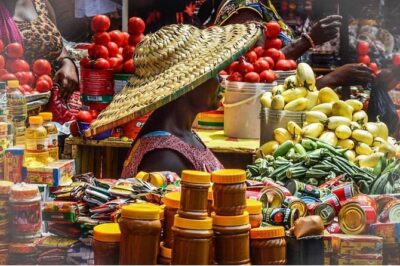
The market portion gives the tour its most direct connection to everyday Accra. Food in a restaurant can be polished and easy to understand, but a market introduces you to the quick choices, smells, and movement that shape ordinary eating in the city.
The exact market and foods are not specified, so you should not book this expecting a fixed list of stalls. Instead, think of it as a chance to sample local food in a more public setting, with your guide helping you decide what to try. This is also where your private format matters. You can pause for explanations, ask about an unfamiliar item, or move on if something does not suit you.
There is a practical tradeoff. Market eating may feel less controlled than a restaurant meal, and the experience can depend on what is available that day. That is part of its value, but it also means the outing is not a precise tasting menu. If you need a highly predictable meal, tell the operator about that before the tour.
A market stop can also help you understand the difference between food served for a special outing and food people eat as part of daily life. That context is worth paying for if you want more than a polished restaurant visit.
Music, conversation, and traditional indoor games
The tour adds indoor games rooted in local traditions. This section changes the pace. After sitting down to eat, you have a chance to take part in something social and lighthearted rather than simply listening to a guide speak.
The games are described broadly, and no particular game is named. That means you should treat this as a cultural activity built around participation, not a formal demonstration with a fixed schedule. Your group can share a laugh, learn the basic rules, and get a feel for the social side of Ghanaian traditions.
Local music is also part of the atmosphere. The description presents food, music, and games as connected, creating an evening-style setting even within a five-hour tour. Do not expect a concert or a large performance. Music is there to shape the mood while you eat and take part.
I like this feature because it gives the experience a human scale. You are not only looking at places or photographing plates. You are doing something with the people hosting you. That can make the outing especially appealing if you are visiting Accra for a short time and want a direct introduction to local customs.
Same departure point, a completely different day out:
- The Cape Coast Day Tour
★ 5.0 · 525 reviews - Experience the Beauty, History and the Culture Of Accra in a Day
★ 5.0 · 323 reviews - The Cape Coast Tour
★ 5.0 · 177 reviews - From Accra: Cape Coast, Elmina Castle & Kakum Park Day Tour
★ 4.6 · 144 reviews
Locally made drinks finish the tasting
Drinks form another part of the food experience. The tour includes locally crafted beverages, described as refreshing brews and traditional concoctions. The exact names and ingredients are not listed, so you should ask your guide what is being served and whether it contains alcohol.
This final tasting can be useful because drinks often explain a place as clearly as food. A locally made beverage may be tied to family habits, celebrations, or everyday refreshment. Your guide can provide the background, while you decide what suits you.
Do not assume that every drink will match your taste. Some traditional beverages can be unfamiliar, and your preferences should be stated clearly. The private setting makes that easier. You can sample cautiously and focus on the items that appeal to you rather than feeling obliged to finish everything.
If you are traveling with children or do not drink alcohol, confirm the available choices before booking. The activity promises local beverages, but it does not specify an alcohol-free menu.
The guide can shape the experience
Guide Kophi Tours is the provider, and two names connected with the experience are Kofi, the owner, and Ransfor, a guide praised for being polite, intelligent, and entertaining. You may not receive a particular guide unless that is confirmed at booking, so ask if having Kofi or Ransfor matters to you.
Kofi’s role appears to include discussing the available tours and helping visitors understand the food options. That kind of early conversation can be valuable when you have just arrived in Ghana and are still figuring out what you want to eat and see.
Ransfor is associated with a particularly warm, engaging approach. The important practical point is that the guide is not only there to drive you between stops. The guide helps turn unfamiliar dishes into an understandable meal and can connect the food with Ghanaian culture.
One food outing also included a quick visit to the Kwame Nkrumah museum, along with political and historical context. This should be treated as a possible addition rather than a guaranteed stop, since the main description focuses on food, games, drinks, and community. Ask about it before booking if that museum visit is important to you.
What the five-hour length means
Five hours is long enough for several food settings and a cultural activity without turning into a full-day commitment. You have time to eat at a measured pace, move between parts of the program, and talk with your guide.
The length also means this is more substantial than a quick snack walk. Plan it as one of the main activities in your day. You may not want to schedule another large meal immediately afterward, particularly if you sample generously at both the market and restaurant.
Pickup is offered, which can simplify the start of the day. The exact pickup area is not provided, so confirm your location and timing when you book. Since Accra traffic and distance can affect a five-hour schedule, clear pickup details are worth settling in advance.
Mobile tickets make the practical side easy. Confirmation is normally sent at booking, though bookings made within four hours of departure are confirmed as soon as possible and remain subject to availability. That short-notice option exists, but booking ahead is wiser, especially since this experience is often reserved about 15 days in advance.
Is $145 per person good value?
At $145 per person, this is not a budget meal. You are paying for more than the food itself: a private five-hour outing, pickup, a guide, restaurant and market tastings, local drinks, and a cultural activity.
The value depends on how much structure you want. If you are comfortable finding restaurants and markets on your own, you could spend less by arranging meals independently. You would also take on the work of choosing safe, suitable places, handling transportation, and understanding what you are ordering.
If you have just arrived in Accra, the price becomes easier to justify. A private guide can help you get your bearings through food and conversation, while the market visit provides a local setting that can be harder to navigate on your own. The addition of political and historical context, when included, gives the outing more range than a meal alone.
I would consider it a good fit for someone who values convenience and personal attention more than the lowest possible cost. Couples, families, and small groups can also benefit from the private format because the price buys an experience reserved for your party. Solo visitors should think harder about the cost, since $145 is paid per person.
Who will enjoy this most
You should consider booking if you want a friendly first taste of Ghanaian food and prefer a guide to help you make choices. It suits people who like trying several dishes rather than ordering one safe plate and moving on.
It is also a good match if you want a social cultural activity. The games and music keep the experience from feeling like a lecture, while the private format lets you ask questions without holding up a larger group.
Families may appreciate the games, though the provided information does not specify age limits or child pricing. Food-focused visitors will likely get the most from the outing, especially if they enjoy fish, rice dishes, local beverages, and trying food in more than one setting.
You may want to skip it if you dislike flexible plans, need a strict dietary menu, or mainly want a formal sightseeing tour. Food allergies and dietary restrictions are not addressed in the available details, so raise them before you pay.
Practical details that matter
This is a private activity, so only your group participates. That gives you control over the pace and makes personal food preferences easier to discuss.
Most people can take part, but the operator does not provide a detailed accessibility statement. If you have mobility, dietary, or other needs, ask for specific arrangements before booking rather than relying on the general participation note.
Free cancellation is available up to 24 hours before the local start time for a full refund. Changes or cancellations made less than 24 hours ahead are not accepted for a refund. The experience also requires good weather. If poor weather causes cancellation, you are offered another date or a full refund.
Should you book this Ghana food tour?
Book it if you want a private, food-led introduction to Accra with more substance than a restaurant meal. The strongest reasons are the combination of market and restaurant eating, the chance to follow your tastes, the local games, and the guide’s role in explaining what you are trying.
The price is the main question. At $145 per person, this is best for a first or early day in Ghana, when help with food choices, transport, and local context has real value. If you are watching every dollar or already know Accra well, the cost may be hard to defend.
For a first-time visit, I would put it on the shortlist. Confirm the pickup point, ask which guide is assigned, check the drinks and dietary options, and ask if the Kwame Nkrumah museum stop can be included. Those few questions will tell you if the flexible format matches what you want.
FAQ
Where does the food tour take place?
The experience takes place in Accra, Ghana. It can include food at a local restaurant and sampling in a local market.
How long does the experience last?
The tour lasts approximately five hours.
How much does the tour cost?
The listed price is $145 per person.
Is pickup available?
Yes. Pickup is offered, though the available information does not specify the pickup areas.
Is the ticket available on a mobile device?
Yes. The experience offers a mobile ticket.
Is this a private tour?
Yes. Only your group participates in the activity.
What food can I expect to try?
The experience includes a selection of Ghanaian dishes. Examples given include jollof rice and grilled tilapia, with choices guided by your taste preferences.
Can most people participate?
Yes. Most people can participate, although detailed accessibility information is not provided.
What is the cancellation policy?
You can cancel at least 24 hours before the local start time for a full refund. Cancellations or changes made less than 24 hours before the start time are not refunded or accepted. If poor weather causes the experience to be canceled, you are offered another date or a full refund.
Just added around Accra
- 3 Days Accra City Tour & Cape Coast Tour★ 4.5 · 3 reviews
- Accra Zoo, Canopy Walk and Botanical Gardens Private Tour★ 5.0 · 3 reviews
- Historical tour in Cape Coast Ghana★ 5.0 · 3 reviews
- Half Day Accra City Sightseeing Tour With Guide★ 5.0 · 3 reviews
- Accra Slave Tour★ 5.0 · 3 reviews
- Cape Coast Castle and Kakum National Park 2-Day Private Tour★ 5.0 · 3 reviews
- Half-Day Guided Fabric Tour in Ghana★ 5.0 · 3 reviews
- Discover Ghana – Wli Waterfalls, Mountain Afadjato, Monkey Sanctuary & Akosombo.★ 4.5 · 3 reviews
Accra Tours, compared.
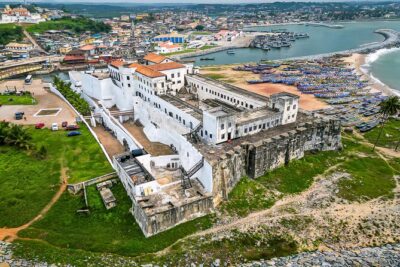
Experience the Beauty, History and the Culture Of Accra in a Day
Read our review →
Cape Coast, Elmina Castle & Kakum Park Day Tour
Read our review →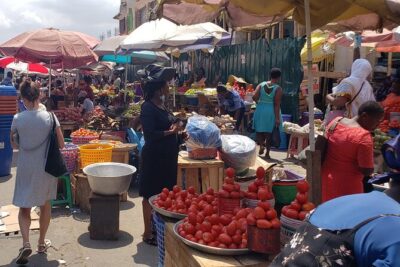


Boti Falls, Umbrella Rock, Aburi Gardens & Cocoa Farm Tour
Read our review →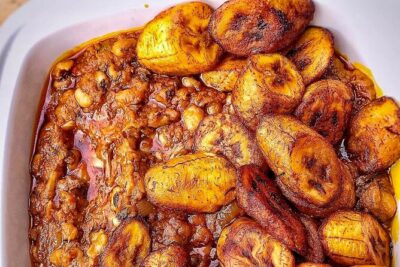
Browse the lists this tour appears in