
Reviewed · ACCRA TOURS
Full Day Accra Guided Tour
Accra’s story comes together in a single day here: the bargaining lanes of Makola Market, the old streets of Jamestown, and the monuments that recall Ghana’s independence. I like that this is a private tour, so your guide can adjust the pace and explain what catches your eye. I also like the mix of famous sights and ordinary city life, from textiles and vegetables to memorials and craft stalls.
The main drawback is the schedule. Five to six hours is enough for a strong introduction, but not enough for leisurely shopping, long meals, or a detailed visit at every stop. You’ll need moderate physical fitness, and lunch is not included.
Key points to know before booking
- A private guide keeps the day personal: Only your group takes part, giving you room to ask questions and request help with photos.
- Makola Market is the most local stop: You’ll see food, textiles, groceries, and the art of bargaining in action.
- Jamestown connects Accra to the slave trade: The walk adds difficult but important context to the city’s older architecture.
- Three major sites focus on national identity: Kwame Nkrumah Memorial Park, Black Star Gate, and the W.E.B. DuBois Center trace Ghana’s independence story and wider African political thought.
- Hotel pickup and bottled water simplify the day: An air-conditioned vehicle handles transfers between walks and sightseeing stops.
- The $115.90 price buys privacy and transport: It makes the most sense for people who want a guided overview rather than arranging several separate visits.
Why this Accra tour works as a first look at the city
Accra can feel scattered when you first arrive. Its markets, colonial-era districts, national monuments, and cultural centers are spread across different parts of the capital. This tour gives you a practical route through several of those pieces without asking you to sort out every transfer yourself.
I especially like the balance between formal attractions and daily life. A memorial park tells you what Ghana wants to remember. Makola Market shows how people shop, sell, bargain, and work today. Jamestown adds a more complicated layer, linking the city’s built environment with the effects of slavery and colonial rule.
Because the experience is private, you are not tied to the interests of a large group. You can ask for more detail at a monument, spend less time at the craft center, or have the guide help take photographs. One especially useful touch is the guide’s willingness to act as a personal photographer, which matters when you are traveling without someone who can take your picture.
The tour is described as full day, but the stated duration is closer to five or six hours. Think of it as a substantial half-day city tour with several stops, not a slow morning-to-evening outing. That distinction matters if you plan to add lunch, a museum, or evening plans afterward.
A few more Accra days to weigh up
- Cape Coast ,Elmina Castle and Kakum Full-Day Tour
★ 5.0 · 62 reviews - Full-Day Accra Safari and Boat Cruise Private Tour
★ 5.0 · 32 reviews - Full-Day Private Culture and History Tour of Accra
★ 5.0 · 23 reviews
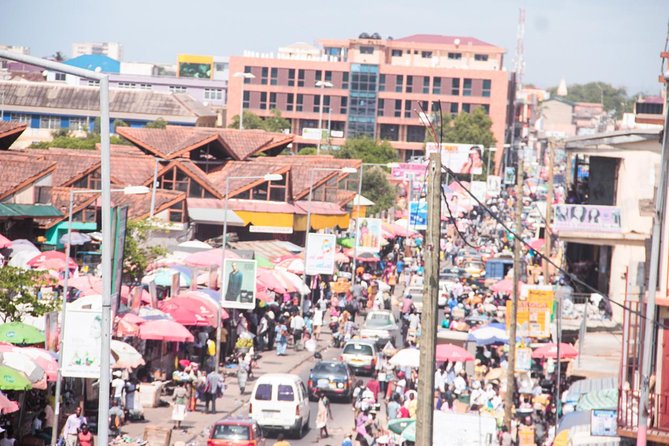
Makola Market: begin with Accra’s working city
Your first stop is Makola Market, with about 45 minutes to walk through its different sections. This is not a polished shopping arcade arranged for sightseeing. It is a functioning Ghanaian market where commerce provides the main show.
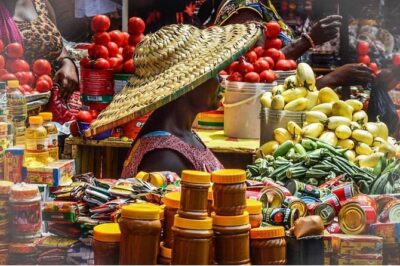
You’ll pass areas selling vegetables, meat, groceries, textiles, and other goods. Your guide can help explain how bargaining works and point out details that are easy to miss when you are simply walking through. The market is colorful and active, but it may also feel crowded and intense. Keep your belongings secure, stay close to your group, and wear shoes you can walk in comfortably.
This is the right place to begin because it gives you a feel for Accra beyond its official monuments. You are not only looking at objects for sale. You are seeing how the city’s buying and selling culture works. If you want souvenir shopping, however, Makola is not necessarily the easiest stop for a relaxed purchase. The Centre for National Culture later in the day is more clearly aimed at crafts and Ghanaian goods.
The visit has no separate admission charge, and the tour includes bottled water. Still, lunch is not provided, so you should plan to eat before or after the tour rather than expect the market walk to serve as a meal stop.
Jamestown: Accra’s oldest districts and difficult past
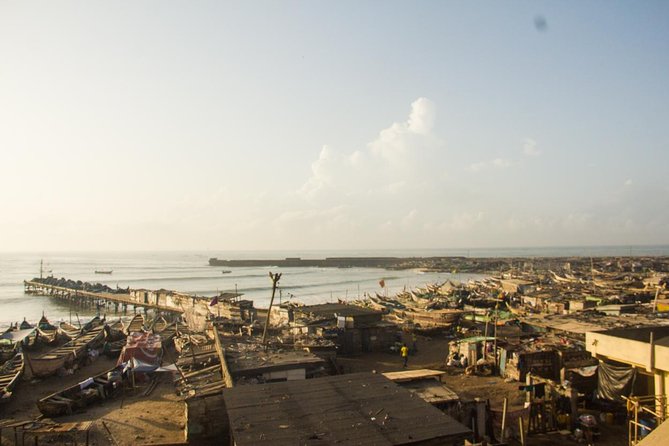
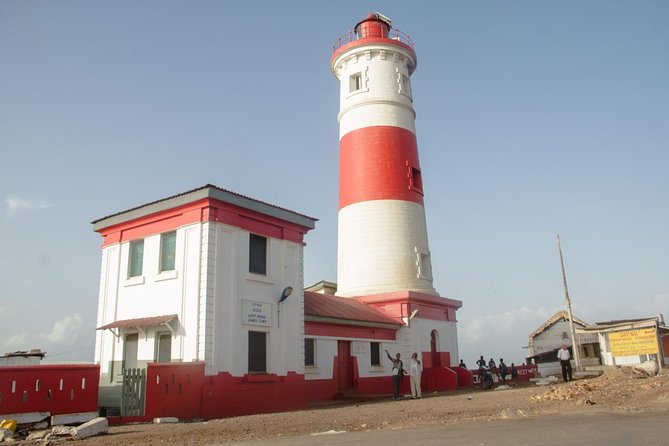
The Jamestown portion lasts about 45 minutes and takes place on foot. You’ll explore districts connected with the beginnings of Accra and learn how slavery influenced the architecture of the area.
That focus gives this stop real weight. Jamestown is not presented simply as an old neighborhood with attractive photo opportunities. Its streets and buildings are tied to the forces that shaped coastal Ghana, including the transatlantic slave trade. A good guide can help you connect the physical surroundings with that past instead of treating the area as a collection of unrelated buildings.
You should expect walking rather than a quick drive-by. The tour information calls for moderate physical fitness, and this is one reason why. The schedule is not a strenuous hike, but you will be on your feet at markets and historic areas, then moving in and out of the vehicle.
The time here is brief, so you should not expect every part of Jamestown to receive equal attention. The benefit is that you get a focused introduction and a chance to ask questions. The limitation is that the subject is too large for 45 minutes. If slavery, colonial history, or Accra’s early development is your main interest, use this stop to identify what you want to study further.
Kwame Nkrumah Memorial Park: Ghana’s independence in one hour
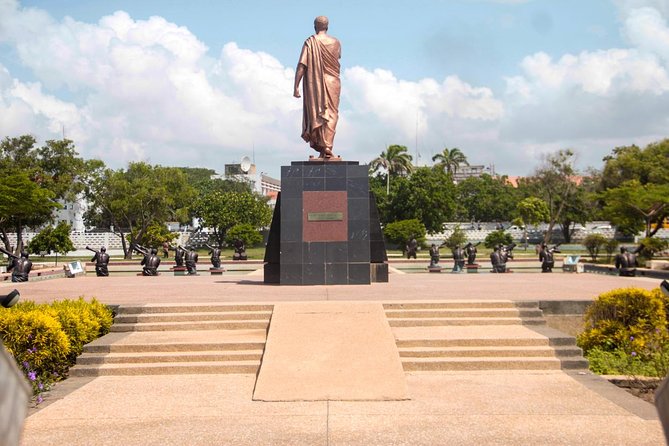
You get about an hour at Kwame Nkrumah Memorial Park, including admission and a guided visit. This is the tour’s most substantial single stop and one of its clearest history lessons.
The park honors Kwame Nkrumah, a major figure in Ghana’s independence struggle and a symbol of African political self-determination. The visit explains his work and the wider independence movement. It also helps you understand why national monuments matter so much in Accra. They are not only places to take photographs. They present a particular view of the country’s path into independence and its role in Africa.
I like the one-hour timing here. It gives the guide enough room to explain the site without forcing you through at a sprint. You can also place the later visit to Black Star Gate in context. Nkrumah Memorial Park looks backward at the independence struggle, while the Black Star area celebrates the nation that emerged from it.
Admission is included, so you do not need to handle a separate ticket during the day. If you prefer museums and formal memorials to shopping, this will likely be one of the strongest parts of the tour. If monuments are less appealing to you, the guide’s storytelling will make a difference, since the value lies as much in the explanation as in the grounds themselves.
Same departure point, a completely different day out:
- The Cape Coast Day Tour
★ 5.0 · 525 reviews - Experience the Beauty, History and the Culture Of Accra in a Day
★ 5.0 · 323 reviews - The Cape Coast Tour
★ 5.0 · 177 reviews - From Accra: Cape Coast, Elmina Castle & Kakum Park Day Tour
★ 4.6 · 144 reviews
Centre for National Culture: the best place for souvenirs
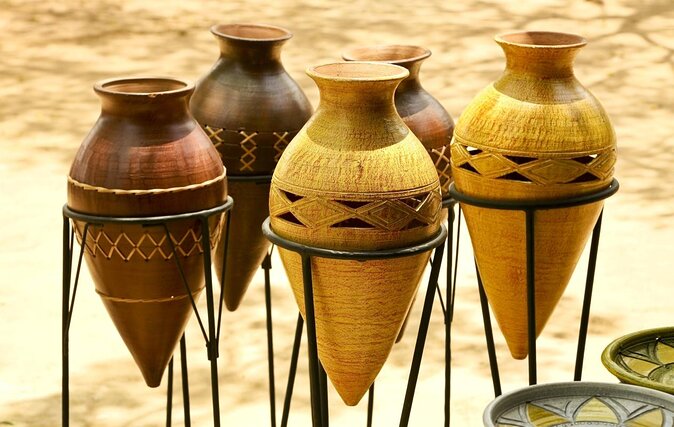
The Centre for National Culture gets about 30 minutes. Here you can shop for crafts and Ghanaian items, making it the most direct souvenir stop on the route.
The short visit works well if you already know what you want. You might find textiles, carved objects, decorative pieces, and other craft goods, though the exact selection can vary. The tour information does not promise a particular item or price, so treat this as an opportunity to browse rather than a guaranteed shopping list.
Thirty minutes is enough to look around, ask questions, and choose a few gifts. It is not much time for a long negotiation over several purchases. If shopping is important to you, tell your guide early so you can use this stop efficiently.
I also see value in placing craft shopping after the market and the historical sites. You first see everyday commerce and the city’s past, then encounter goods presented specifically as cultural products. That sequence can help you think about the difference between buying a useful market item and buying a souvenir that represents Ghanaian art or identity.
Black Star Gate: the visual symbol of independence
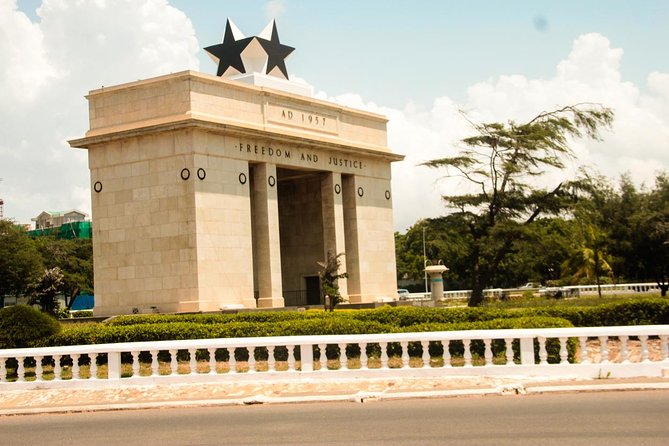
The Black Star Gate stop lasts about 45 minutes and focuses on the monuments in the area and Ghana’s independence story. It is a natural companion to Kwame Nkrumah Memorial Park.
Here, your guide can explain the meaning behind the national symbols and the way the public space marks a turning point in Ghana’s history. The visit is less about wandering through shops or neighborhoods and more about understanding the civic center of the capital.
This stop is also useful for putting Ghana’s independence into a public setting. At the memorial park, you learn about a person and a movement. At Black Star Gate, you see how that story is expressed through monuments and national ceremony.
The exact experience depends on how your guide handles the area, but the stated focus is clear: expect interpretation rather than a long indoor visit. The 45-minute slot should leave enough time for photographs and questions while keeping the day moving.
W.E.B. DuBois Center: a short final look at Pan-African thought
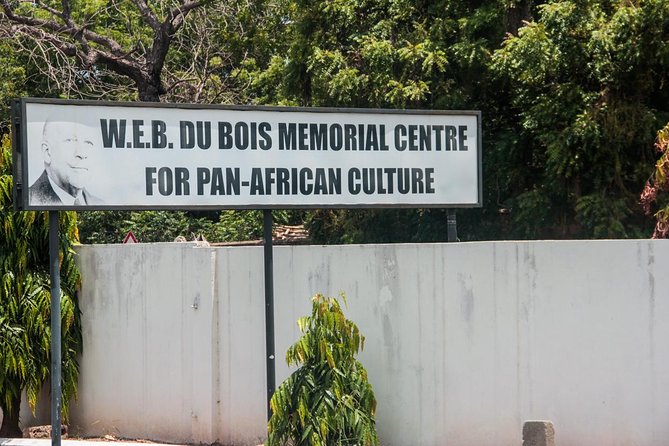
The final listed attraction is the W.E.B. DuBois Center, with admission included and about 20 minutes for a guided visit. Dr. W.E.B. DuBois lived his final years in Ghana, and the center is also his burial place.
This is a short stop, but it broadens the tour beyond Ghana’s national story. The earlier attractions focus heavily on Accra and Ghanaian independence. The DuBois Center points toward the wider African and African American intellectual connection that influenced Pan-African politics.
Twenty minutes will not allow for an extended study of the site. Still, the stop earns its place because it adds a different voice to the day. You are not only learning about a Ghanaian leader or national monument. You are also seeing the country’s connection to a major thinker who chose to spend his final years there.
If this subject interests you, ask questions while you are there. The visit is short, and the guide’s explanation will shape how much you take away.
What the private format adds to the $115.90 price
At $115.90 per person, this is not the cheapest way to ride around Accra. The value comes from combining a private guide, hotel pickup and return transport, an air-conditioned vehicle, admission fees at the two paid sites, bottled water, and fuel costs.
For one person, the price may feel high compared with using local transport and visiting fewer attractions independently. For a couple, family, or small group, the calculation improves because the private format gives everyone the same guide and vehicle. Group discounts are available, though the exact reduction is not provided.
The guide is the main reason to choose this option. You are paying for context at places where a quick look would tell you only so much. You also avoid piecing together a route between Makola Market, Jamestown, the memorial park, the cultural center, Black Star Gate, and the DuBois Center.
The private setup has another advantage: flexibility within the planned route. You can ask for more detail, request a photograph, and get explanations tailored to your interests. One particularly helpful aspect is that the guide may step in as your personal photographer, which saves you from asking strangers at every major sight.
The price does not cover lunch. That is a modest extra cost, but the time should be planned. Since the tour lasts five to six hours, you may want to arrange food before pickup or after the final stop.
Practical details that shape the day
Pickup is offered, and the experience includes round-trip transfers from your Accra hotel. That is useful in a city where finding the right starting point can add needless stress. The vehicle is air-conditioned, which is a welcome feature when you are moving between outdoor walks and monuments.
You receive booking confirmation at the time of reservation. The tour is private, so only your group participates. The stated physical requirement is moderate fitness, which means you should be ready for walking at Makola Market and Jamestown, along with time on your feet at the other stops.
Wear practical walking shoes and carry only what you need. The supplied information does not give a detailed dress code or a list of prohibited items, so I would keep your packing simple and follow your guide’s advice on the day.
The tour is commonly reserved about 19 days ahead on average. That is not a guarantee that every date will sell out, but it is a useful hint for planning. If your Accra schedule is fixed, booking early is sensible.
Free cancellation is available up to 24 hours before the local start time for a full refund. Canceling or changing the booking within 24 hours is not accepted and does not qualify for a refund.
Who should book this Accra city tour?
I would choose this tour if you have limited time in Accra and want an organized introduction to the city’s major themes. It suits first-time visitors, couples, families, and small groups who prefer a private guide to a large coach outing.
It is also a good fit if you want both daily life and national history. Makola Market and Jamestown feel different from the formal memorials, and that contrast is the tour’s strength.
You may want another plan if your priority is slow shopping, food, nightlife, or a single subject studied in great detail. The schedule covers six stops in five to six hours, so the experience favors range over long visits. It is also less suitable if walking for nearly an hour at a time is difficult.
Should you book the Full Day Accra Guided Tour?
Book it if you want a well-rounded first day in Accra, private transportation, and a guide who can turn separate sights into one connected story. The strongest parts are the personal format, the market visit, and the combination of Ghanaian independence sites with Jamestown and the W.E.B. DuBois Center.
Skip it if you dislike scheduled sightseeing or want a full day with generous breaks. At $115.90 per person, the tour earns its price through privacy, transport, admissions, and local interpretation, not through a long, leisurely pace.
For most visitors with only a short stay, I would consider it a practical choice. Keep your expectations clear: this is a focused city introduction, not an exhaustive study of Accra. Plan lunch separately, wear good walking shoes, and let the guide know which parts of Ghana’s story matter most to you.
FAQ
How long does the Accra guided tour last?
The tour lasts approximately five to six hours.
How much does the tour cost?
The listed price is $115.90 per person.
Is this a private tour?
Yes. Only your group participates in the activity.
Is hotel pickup available?
Yes. Pickup is offered, with round-trip transfers from your Accra hotel.
Is lunch included?
No. Lunch is not included in the tour price.
Which market does the tour visit?
The tour visits Makola Market, where you can see sections for vegetables, meat, groceries, textiles, and other goods.
Does the tour include Jamestown?
Yes. You spend about 45 minutes exploring Jamestown on foot and learning about its early districts and the influence of slavery on its architecture.
Are admission fees included?
Admission is included for Kwame Nkrumah Memorial Park and the W.E.B. DuBois Center. The tour also includes all fees and taxes.
What level of fitness is required?
A moderate level of physical fitness is recommended because the tour includes walking, especially at Makola Market and Jamestown.
Can I cancel for a full refund?
Yes. You can cancel at least 24 hours before the local start time for a full refund. Cancellations or changes within 24 hours are not accepted and are not refunded.
Just added around Accra
- 4 Days Cultural and Village Stay Experience★ 5.0 · 3 reviews
- African custom clothing making experience with fabric tour★ 4.5 · 3 reviews
- 2Days private explore volta region★ 5.0 · 4 reviews
- Private Airport Transfer to from ACC Kotoka by Business Car★ 5.0 · 4 reviews
- Bird watching tours , cultural and historical tours of Ghana.★ 4.0 · 4 reviews
- Black History Tour – Back to Your Roots (Accra to Assin to Cape Coast to Elmina)★ 5.0 · 4 reviews
- Explore the Beautiful History of Accra City★ 5.0 · 4 reviews
- Explore Aburi Botanical Gardens And Boti Falls★ 5.0 · 4 reviews
Accra Tours, compared.
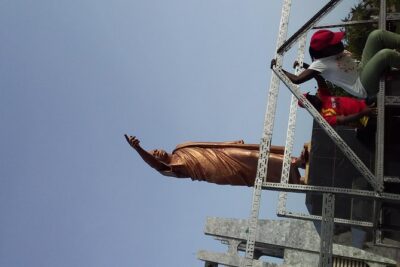
Experience the Beauty, History and the Culture Of Accra in a Day
Read our review →
Cape Coast, Elmina Castle & Kakum Park Day Tour
Read our review →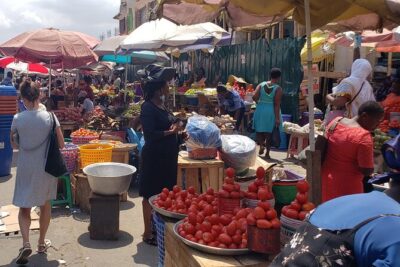
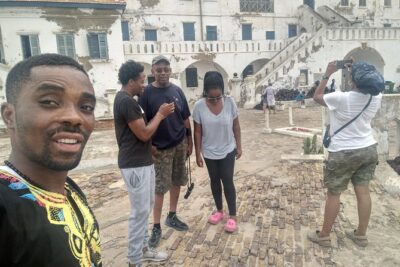
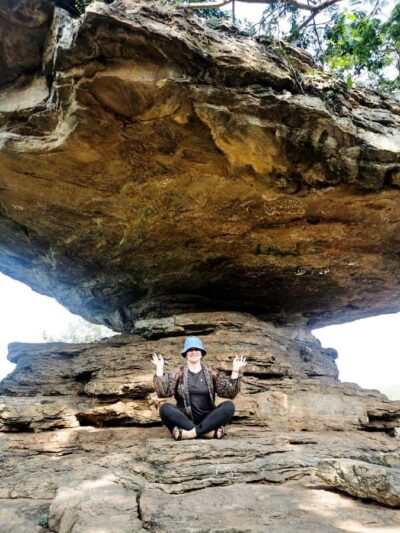
Boti Falls, Umbrella Rock, Aburi Gardens & Cocoa Farm Tour
Read our review →
Browse the lists this tour appears in