
Reviewed · ACCRA TOURS
Accra E-waste and Recycling experience in Agbogbloshie
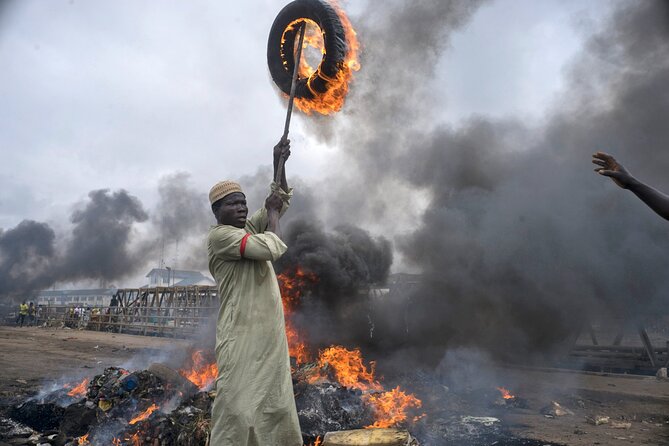
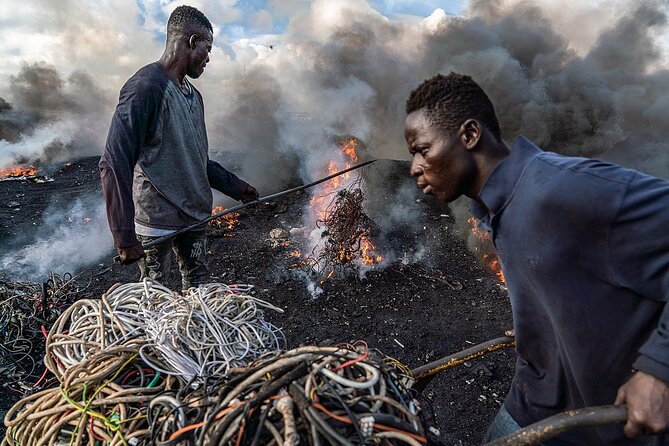
Accra’s Agbogbloshie scrap site gives you a blunt look at what happens after unwanted electronics leave your hands. Workers dismantle computers and other devices by hand, recover copper and other useful materials, and sometimes burn plastic to reach them. The work is resourceful, but the smoke, chemical smells, and health risks are hard to ignore. That contrast is the point of the visit.
I like the way the tour links Makola Market with the scrap site, showing two very different sides of Accra’s working economy. I also like the private format, since you can ask direct questions and set the pace with your guide. The main drawback is simple: this is a difficult place to see. Open fires, fumes, rough ground, and poverty make it unsuitable for anyone seeking a light sightseeing stop.
Key points to know before booking

- Hand-recovered materials: See workers strip electronics, collect copper, and sort useful metal from discarded equipment.
- Makola Market first: Walk through Accra’s large central market before continuing to Old Fadama and the scrap site.
- Private guiding: Only your group takes part, giving you room to ask questions about waste, work, and sustainability.
- Two to three hours: The visit combines driving and walking, with about one hour at Makola and two hours around Agbogbloshie.
- Pickup is offered: You can be collected from your accommodation, though you should confirm the exact pickup arrangement when booking.
- Serious subject matter: Expect an educational but confronting experience, not a polished recycling center or ordinary city tour.
Why Agbogbloshie makes such a strong Accra lesson
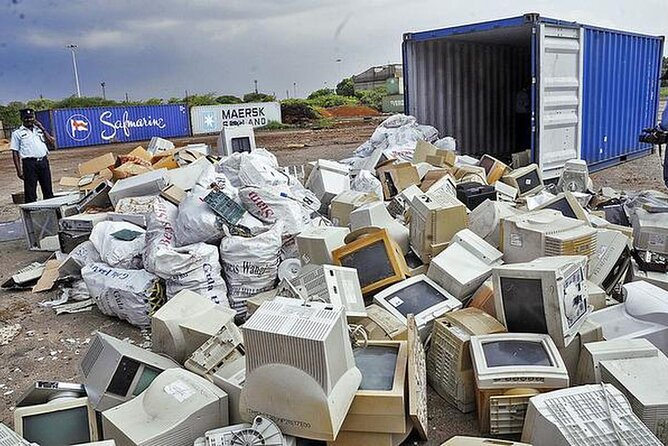
This experience asks a question most of us avoid: where does our old electronic equipment go? A broken computer, outdated phone, or unwanted appliance does not vanish when it leaves your home. At Agbogbloshie, you can see a local economy built around finding value in that discarded material.
The site is described as Ghana’s largest center for electronic waste recycling and disposal. It is both a scrapyard and a workplace, where young people use manual methods to recover materials that still have a cash value. That makes the visit more useful than a standard environmental talk. You are not only hearing about waste. You are seeing people make a living from it.
The experience also makes the subject uncomfortable in an honest way. Electronics can contain valuable metals, but they can also release harmful substances when broken apart or burned. The sights and smells are part of what makes the visit memorable, though they are also the reason you need to think carefully before booking.
I would approach this as a learning experience with a human focus, not as a place to collect dramatic photographs. The community is not a stage set. A good guide helps you understand the work and the people involved rather than reducing the area to a shocking picture.
A few more Accra days to weigh up
- The Cape Coast Day Tour
★ 5.0 · 525 reviews - Experience the Beauty, History and the Culture Of Accra in a Day
★ 5.0 · 323 reviews - The Cape Coast Tour
★ 5.0 · 177 reviews
Makola Market: one hour among Accra’s traders
The tour begins around Makola Market, Accra’s central market district. You walk past the market’s indoor and outdoor trading areas, where women traders sell goods in a tightly packed city setting.
This first stop gives you useful context. Makola is about ordinary commerce, daily shopping, and small businesses serving local customers. Agbogbloshie is also about commerce, but its goods are discarded electronics, scrap metal, and recoverable parts. Putting the two places together helps you see waste as part of a wider economic chain.
You are given time to look around, take photographs, and buy something if you wish. The market portion is not simply a drive-by view from a vehicle. You walk through the area, which puts you closer to the sounds, movement, and trading activity.
I would keep your market expectations realistic. The information describes a walk past the market rather than a cooking class, shopping tour, or guided deep study of individual stalls. Its real value is as an introduction to Accra’s commercial life before the tour turns to waste and recycling.
The market also adds color and human scale to a subject that can otherwise feel abstract. You begin with products being sold and used, then continue to a place where unwanted products are taken apart. That pairing gives the day a clear storyline without needing a lecture room.
Old Fadama and the scrap site: where electronics are taken apart
The main portion takes place in Old Fadama, also identified with Agbogbloshie. Expect about two hours of driving and walking through the community and scrap area.
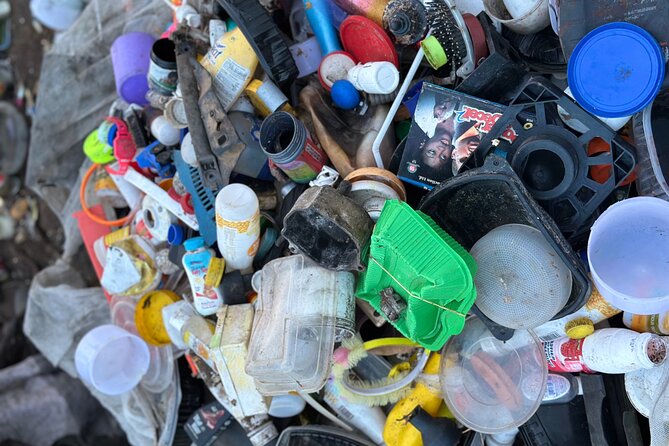
Your guide explains how electronic equipment is dismantled and how workers search for materials with resale value. Specific details described by visitors include computers being stripped, copper being extracted, and plastic being burned in open fires. You may also see piles of discarded equipment and workers sorting parts by hand.
The work requires skill and patience, even when the methods look rough. Recovering useful metal from old electronics is not a single clean process. It involves separating parts, identifying valuable material, and preparing scrap for sale. The tour’s strongest educational feature is the chance to connect these practical steps with the larger problem of global electronic waste.
The site is also hazardous. Smoke from burning plastic and chemical odors can make the air unpleasant. The ground may be uneven, and the setting is not arranged for casual sightseeing. The available information says most people can participate, but that does not mean everyone will find the conditions comfortable.
I would not book this expecting a modern plant with protective barriers, signs, and machines. This is a working community and scrap center. The experience is valuable partly because it shows the gap between formal recycling systems and the informal work that handles waste when safer systems are limited.
A private guide changes the tone of the visit
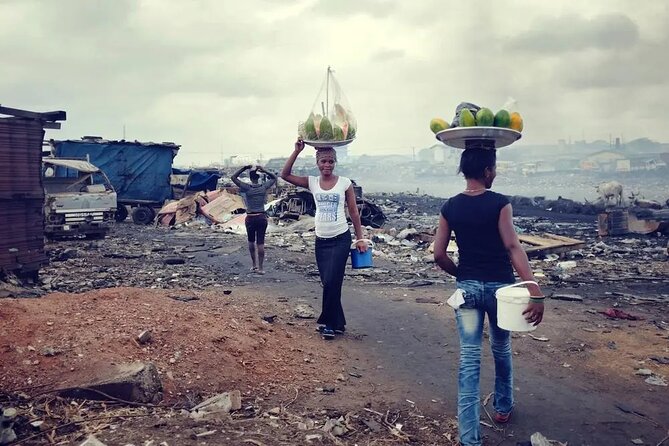
This is a private activity, so only your own group takes part. That matters here. You can ask questions when something is unclear, pause for an explanation, and tell the guide if you need a moment away from a particular area.
The guide is central to the experience. Kwame is praised for his clear grasp of the subject and his passion for explaining the environmental effects of e-waste. Daniel is described as patient, responsive, and professional. Sadik Aweisu is also praised for giving useful information in a friendly manner.
The booking information does not guarantee which guide you will receive, so treat these names as examples of the team rather than a promise. If having a particular guide matters to you, ask Kwame Tours before confirming.
A good guide also helps with manners. You are entering a place where people work and live. Ask before taking close-up photographs, listen when workers or residents speak, and avoid treating difficult conditions as entertainment. The guide’s role is not just to point out scrap. It is to give you enough context to look with respect.
Same departure point, a completely different day out:
- From Accra: Cape Coast, Elmina Castle & Kakum Park Day Tour
★ 4.6 · 144 reviews - Accra Detailed City Tour
★ 4.5 · 118 reviews - Accra Guided City Tour Experience
★ 4.7 · 88 reviews - Accra Guided City Tour Experience
★ 5.0 · 76 reviews
What the experience teaches about sustainability
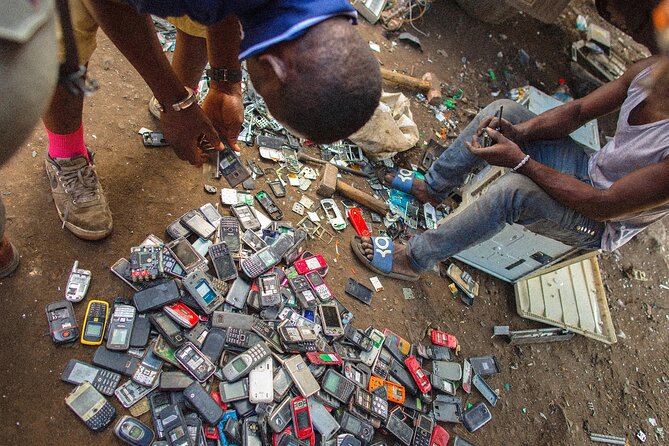
The word recycling can sound tidy. Agbogbloshie shows that it is often not tidy at all.
The site demonstrates how much value can remain inside an unwanted device. Metal, wire, and components can still be sold or reused after the original product has failed. Young workers have developed ways to turn waste into useful raw materials, and the tour highlights those practical skills.
At the same time, the visit shows the cost of handling waste without adequate protection. Burning plastic may expose workers and nearby residents to harmful fumes. Manual dismantling can be physically demanding and risky. The experience does not offer a simple story in which recycling is automatically good. It shows the need for safer methods, better waste systems, and more responsible production and disposal.
I especially like this balance. You are not asked to look only at pollution, and you are not asked to admire the recycling work without question. You see ingenuity and danger in the same place.
For families with older teenagers, this can be a strong lesson in consumption. One customer described the experience as especially memorable for young people who buy cheap clothing and goods without thinking about where waste ends up. The point applies to electronics too: low prices and quick upgrades can create costs far from the original buyer.
Driving and walking through central Accra
The combination of driving and walking is practical. A vehicle connects the two main areas, while walking lets you see the market and scrap activity at closer range.
Pickup from your accommodation is offered, which can make the start easier in Accra. The details also say the activity ends back at the meeting point, so confirm whether your selected booking includes return transport to your accommodation or simply returns you to the agreed starting point.
The total visit lasts roughly two to three hours. The stated schedule assigns about one hour to Makola Market and two hours to Old Fadama, although traffic and the pace of your private group may affect the exact timing.
Because the tour is booked privately, it can suit a short stay in Accra. You do not need to give up an entire day to examine an important issue. It also fits well into a morning or afternoon plan, provided you leave enough room for city traffic and do not schedule another activity too tightly afterward.
The tour is available with a mobile ticket, and confirmation is sent when you book. Service animals are allowed, the location is near public transportation, and most people can take part according to the supplied details.
Is $80 a fair price?
At $80 per person, this is not the cheapest way to spend two or three hours in Accra. The value depends on what you want from a city experience.
You are paying for more than entry to a site. The price includes a private guide, transport between locations, a pickup option, a walking visit to Makola Market, and an explanation of a complicated environmental and economic issue. If you are interested in sustainability, global trade, or how informal work supports a community, the price can be reasonable.
The private format improves the value for couples, families, or small groups who want to ask many questions. Group discounts may also help if several people book together. If you only want photographs of a scrapyard, $80 is harder to justify. The experience earns its price through context and conversation.
I would also compare it with the cost of an ordinary guided city outing. This visit gives you a subject that few standard Accra tours address. It may not be comfortable, but it can leave you thinking about purchasing habits and waste long after the afternoon ends.
Who should book this experience?

I would recommend it to you if you want a direct look at how discarded electronics are handled and you are prepared for difficult conditions. It suits environmentally minded visitors, students, photographers who work respectfully, and anyone curious about the link between Western consumption and local livelihoods.
It can also work well for older teenagers, especially if you talk beforehand about consent, poverty, photography, and the difference between recycling and safe recycling. The subject is serious, but the guide can make it understandable.
I would hesitate to recommend it to anyone who dislikes smoke, strong odors, rough walking conditions, or emotionally heavy sights. It is also a poor choice if you want a relaxed market visit with only a small environmental theme.
Keep your attitude open and your camera secondary. The most important part is listening to the guide and understanding what you are seeing.
Practical booking advice for Makola and Agbogbloshie
This experience is commonly booked about 23 days ahead, so reserve early if your Accra dates are fixed. Confirmation arrives at booking, and free cancellation is available if you cancel at least 24 hours before the local start time.
Inside the 24-hour window, you should expect no refund and no accepted changes. That rule matters if your flight, hotel plans, or city schedule may shift.
Pickup is offered, but the information also gives a meeting point and says the activity ends there. Ask for the exact pickup and return details before the day of the tour. You should also confirm the start time, since the published opening information gives a broad Monday range from 6:00 AM to 11:00 PM rather than one fixed departure time.
Wear practical clothing and shoes suitable for walking. This is sensible advice based on the driving and walking format and the nature of the site, not a promise of any special equipment or protective clothing. The supplied details do not state that masks, gloves, or other safety gear are provided, so ask the operator if you need them.
Should you book the Accra E-waste and Recycling experience?
Book it if you want an honest, guided look at electronic waste, informal recycling, and the people who recover value from discarded equipment. The combination of Makola Market and Agbogbloshie gives you a sharper understanding of Accra than either stop would provide alone.
Do not book it as a casual attraction. Fires, fumes, manual dismantling, and poverty are part of the setting. The best reason to go is not that the site is shocking. It is that a private guide such as Kwame, Daniel, or Sadik Aweisu can help you understand the human work and environmental cost behind the waste.
For the right person, $80 buys a focused lesson that is difficult to forget. For anyone seeking comfort, polished facilities, or easy entertainment, choose another Accra activity.
FAQ
How long does the Accra E-waste and Recycling experience last?
The experience lasts approximately two to three hours. About one hour is allocated to Makola Market and about two hours to Old Fadama and the Agbogbloshie scrap site.
What locations does the tour visit?
The tour includes Makola Market and Old Fadama, also identified with Agbogbloshie. It combines driving and walking between and around the locations.
Is pickup from my accommodation available?
Yes, pickup is offered. The activity information also says the experience ends back at the meeting point, so confirm the exact pickup and return arrangement with Kwame Tours.
Is this a private tour?
Yes. Only your group participates in the activity.
How much does the experience cost?
The listed price is $80 per person. Group discounts are available.
Can I cancel for a full refund?
Yes, if you cancel at least 24 hours before the experience start time. Cancellations or changes made less than 24 hours before the start time are not refunded or accepted.
Can most people participate?
The provided information says most people can participate. Service animals are allowed, and the location is near public transportation. Keep in mind that the experience includes walking through a working scrap site with fires, fumes, and difficult conditions.
Just added around Accra
- Accra: Tafi Kente Village, Monkey Sanctuary &Wli Waterfalls★ 4.5 · 4 reviews
- 2 Days (1 night) Elephants Safari at Mole Park with Round – trip flights★ 5.0 · 4 reviews
- Full-Day Wli water Falls and Monkey Sanctuary Private Tour★ 5.0 · 4 reviews
- A Taste of West Africa – Ghana Togo & Benin★ 5.0 · 5 reviews
- Quad Biking and Waterfalls Adventure★ 5.0 · 5 reviews
- 9 Day Ghana Wildlife and Culture Tour★ 5.0 · 5 reviews
- Accra Architectural Tour★ 3.9 · 5 reviews
- Cape Coast: Kakum National Park, Castles, & Hans Cottage★ 4.8 · 5 reviews
Accra Tours, compared.

Experience the Beauty, History and the Culture Of Accra in a Day
Read our review →
Cape Coast, Elmina Castle & Kakum Park Day Tour
Read our review →


Boti Falls, Umbrella Rock, Aburi Gardens & Cocoa Farm Tour
Read our review →
Browse the lists this tour appears in