
Reviewed · ACCRA TOURS
9-Day Private Guided Tour of West Africa (Ghana, Togo & Benin)
The most striking part of this nine-day private tour is its range. You move from Accra’s political and cultural landmarks to rainforest canopy bridges, mountain waterfalls, Togo’s markets, and Benin’s Vodun sites. I like that the journey connects difficult history with living culture, rather than treating West Africa as a string of postcard stops.
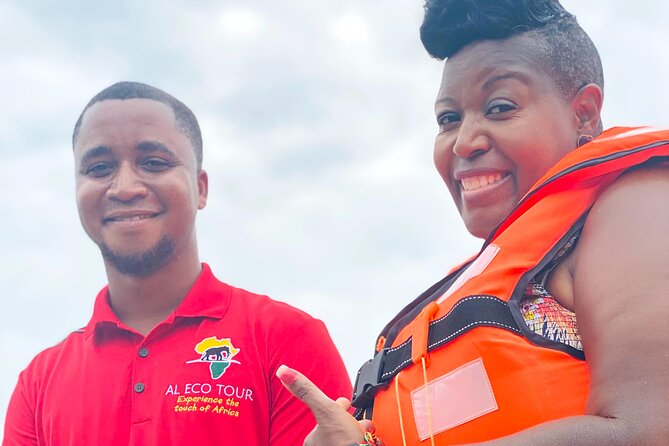
I also like the private air-conditioned car with WiFi and the personal care offered by guide Sam, also referred to as Samuel. He is described as attentive, flexible, and willing to shape the trip around your interests. The main drawback is the pace: three countries in nine days means long road sections and fairly short visits at some major sites.
Key points at a glance
- Three countries in nine days: Ghana, Togo, and Benin are covered in one private trip beginning and ending in Accra.
- A strong mix of nature and history: Kakum National Park, Wli Waterfalls, Elmina Castle, Ouidah, and the Door of No Return all bring different parts of the region into view.
- Personal guiding from Sam or Samuel: The guide is available in English and French and can adapt parts of the journey to your interests.
- Private transport matters here: Air conditioning, onboard WiFi, and pickup make the long road days more manageable.
- Cultural stops go beyond capitals: Tafi Atome Monkey Sanctuary, Agbodrafo, Togo Ville, and Ganvie add smaller communities and local traditions to the route.
- Budget carefully: The listed price is $3,700 per person, with eight breakfasts included and bicycle use charged separately at $10 per hour.
Why this West Africa route works
This is not a slow, single-city holiday. It is a tightly packed introduction to three neighboring countries, built for someone who wants variety and does not mind changing focus every day.
Ghana provides the broadest base. Accra brings national history, art, markets, and major memorials. Kakum and Elmina shift the mood toward forest and coastal history. Tafi Atome and Wli Waterfalls add wildlife and outdoor activity before the route crosses into Togo.
Togo contributes Lomé’s markets, independence monuments, museum collections, and the unusual Akodessewa fetish market. Benin then brings the journey to Ouidah, a place closely tied to the history of the transatlantic slave trade and to Vodun religious traditions. The final visit to Ganvie offers a different setting again, with a village built on Lake Nokoué.
I find that variety valuable because no single stop has to carry the whole trip. If a museum is not your favorite part of the day, the next stop may be a waterfall, market, or boat ride. The trade-off is that you will not have much spare time for wandering.
A few more Accra days to weigh up
- The Cape Coast Day Tour
★ 5.0 · 525 reviews - Experience the Beauty, History and the Culture Of Accra in a Day
★ 5.0 · 323 reviews - The Cape Coast Tour
★ 5.0 · 177 reviews
Accra begins with national memory
Your first day is mainly for pickup at an agreed point in Accra. The listed meeting time is 8:00 a.m., and the final day includes drop-off at your hotel or airport.
Day two is a city history circuit. At the Dr. Kwame Nkrumah Memorial Museum, you learn about Ghana’s first president and the country’s independence story. The visit is scheduled for about an hour, which gives you time for the main displays without turning the morning into a full museum day.
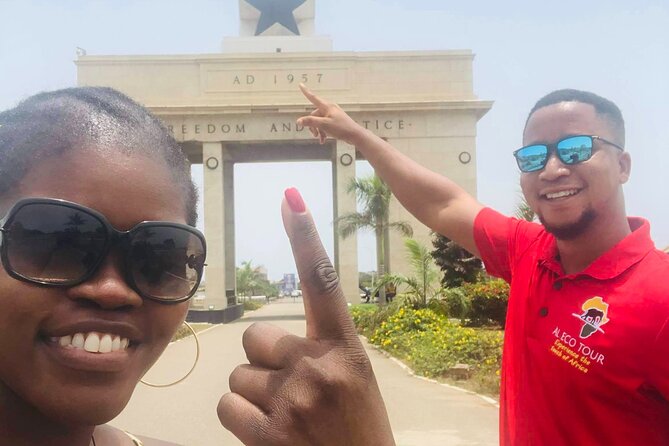
Black Star Square follows, with around 30 minutes set aside. It is a useful place to understand Ghana’s national symbolism and public ceremonies. The short stop makes sense, since this is an open civic space rather than a museum with a long interior route.
The W.E.B. Du Bois Memorial Center adds an international and intellectual layer to Accra’s story. The center is given about 40 minutes, enough for a focused visit. I like the way these three stops work together: one centers Ghana’s independence, one shows the public face of the nation, and one connects Ghana to the wider history of the African diaspora.
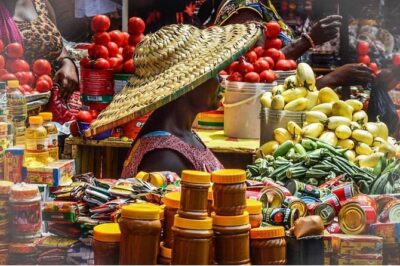
The Art Centre and Makola Market bring you back to everyday commerce and local buying. One hour is listed for both, so expect a quick introduction rather than a leisurely shopping session. If you dislike aggressive bargaining or crowded market spaces, tell Sam early so he can help set expectations and manage the stop.
Kakum and Elmina bring forest and memory together
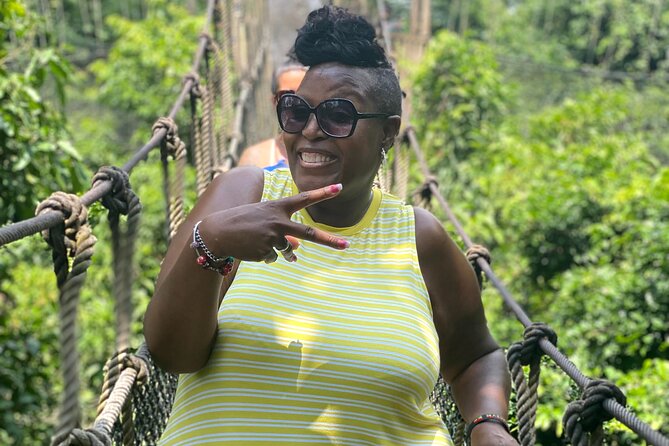
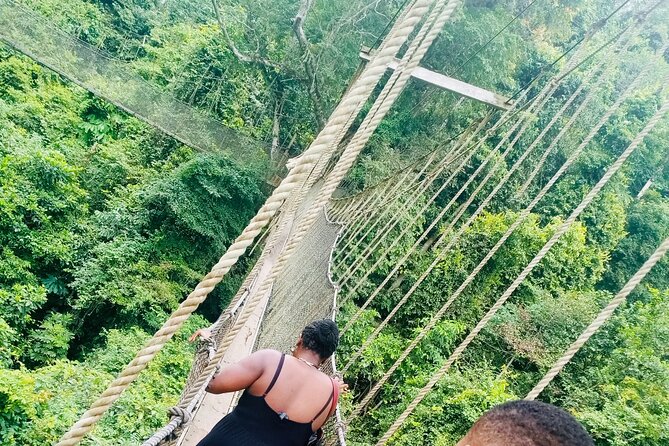
Day three heads west to Kakum National Park for the canopy walk. The park’s elevated bridges give you a look at the forest from above, and the visit is scheduled for about an hour. This is one of the tour’s clearest nature highlights, but the time is short, so wear practical shoes and be ready to keep moving.
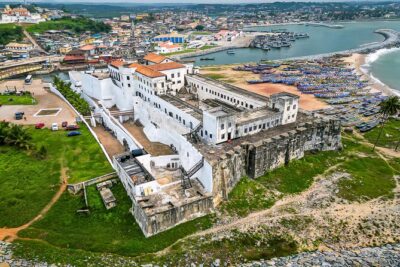
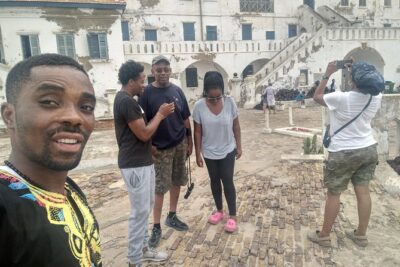
The route then continues to Elmina Castle. The stop is also about an hour, which allows for the main rooms and historical explanation. Elmina is not an easy visit, and it should not be treated as a quick photo stop. Its connection to the slave trade gives this part of the trip serious weight.
One useful feature of a private guide is the chance to ask questions as they come up. Sam’s role is especially important at sites where dates and architecture alone cannot explain what happened there. Give yourself a moment after the castle visit to absorb it before returning to the road.
The schedule pairs Kakum and Elmina well, but it also makes for a demanding day. You get forest, colonial-era history, and a major coastal site in one stretch. That is efficient, though not leisurely.
Tafi Atome and Wli Waterfalls offer the outdoor day
Day four is the most playful and physical part of the Ghana section. At Tafi Atome Monkey Sanctuary and Cultural Village, you spend about two hours. The focus is on seeing monkeys and learning about the community around the sanctuary.
This stop is more than a wildlife encounter. The cultural village gives you a chance to see how conservation and local life are presented together. You should still remember that animal sightings are part of nature, not a guaranteed performance, but the sanctuary is a welcome change after the heavy historical sites.
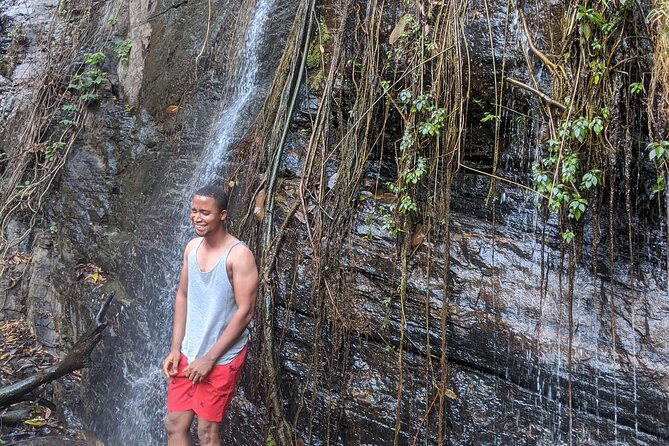
Wli Waterfalls follows, with roughly an hour at the site. The waterfall lies near Mount Afadjato, and the tour description highlights hiking in this area. The schedule suggests a compact visit rather than a long mountain trek, so ask Sam what level of walking is planned for your date.
Bring footwear with a secure grip and clothes suitable for heat and spray. The route’s outdoor appeal depends on weather and trail conditions, and the operator notes that poor weather can lead to a changed date or a full refund.
Same departure point, a completely different day out:
- From Accra: Cape Coast, Elmina Castle & Kakum Park Day Tour
★ 4.6 · 144 reviews - Accra Detailed City Tour
★ 4.5 · 118 reviews - Accra Guided City Tour Experience
★ 4.7 · 88 reviews - Accra Guided City Tour Experience
★ 5.0 · 76 reviews
Lomé mixes shopping with difficult cultural subjects
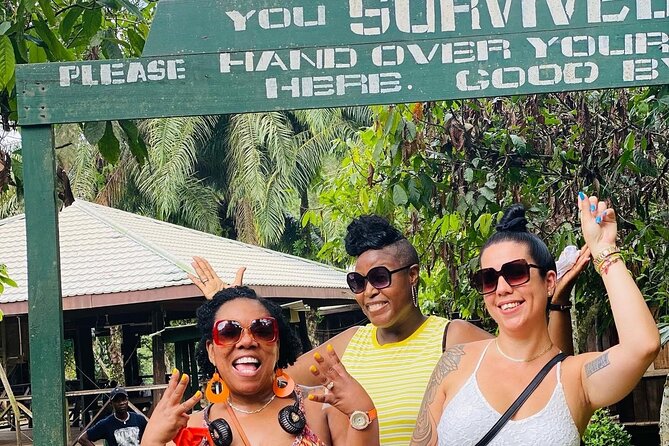
Day five is devoted to Lomé. Four hours at Grand Marché makes this the longest single stop on the schedule. The market is presented as the biggest in Lomé, and the long allocation gives you time to browse, shop, and take in the scale of the place.
Markets are often where a private guide earns their keep. Sam can help you get oriented, explain what you are seeing, and help the pace fit your interests. If shopping is not your priority, ask whether part of the time can be adjusted, since the overall trip is private.
The National Museum and Monument of Independence follow, with about an hour. Together, they provide a compact introduction to Togo’s national story. Akodessewa, described as Africa’s biggest fetish market, adds a more unusual and sensitive stop.
You should approach Akodessewa with respect. The term fetish market refers to objects connected with traditional religious practices, and the subject may be unfamiliar or confronting. A good guide can explain the setting without turning it into spectacle. This is a place where questions are useful and casual photography may not always feel appropriate, so follow local guidance.
Agbodrafo and Togo Ville slow the history down
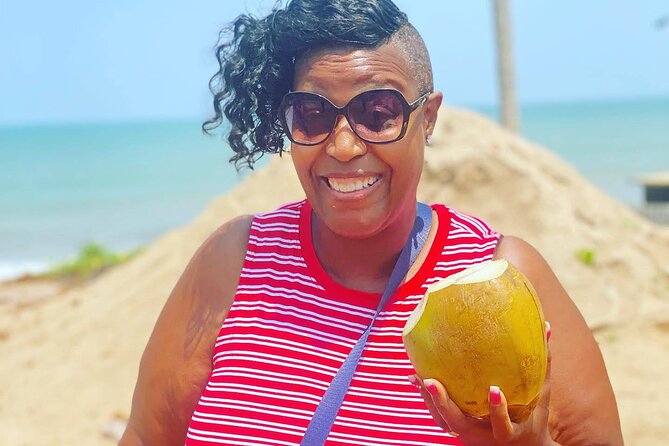
Day six is centered on Agbodrafo, with a five-hour visit that includes the slave castle and Togo Ville. This is one of the route’s longer, more focused cultural days.
The Agbodrafo slave castle connects Togo to the wider history of forced migration across the Atlantic. The stop complements Elmina and Ouidah, but it is not redundant. Seeing several sites across different countries can show you how the same historical system affected distinct communities and ports.
The inclusion of Togo Ville adds a local setting beyond Lomé. Since the itinerary allows five hours here, this day may feel less rushed than the market and museum circuit. It is also one of the better opportunities to ask Sam for context and spend time with the place rather than simply checking off a landmark.
The drawback is simple: the historical subject matter is heavy, and several days on this route deal with slavery, colonial power, and religious change. That is a reason to choose the tour, not a flaw, if you want serious cultural learning. It may not suit you if you are seeking a light sightseeing holiday.
Ouidah explains Benin through memory and faith
Day seven crosses into Benin and visits the Temple des Pythons, the Door of No Return, the Ouidah Museum of History, and La Porte Du Non Retour.
The Temple des Pythons introduces you to a religious tradition that is important to Benin’s cultural identity. The site is unusual, and it helps explain why Ouidah cannot be understood only through its connection to the slave trade.
The Ouidah Museum of History provides a more structured account, while the Door of No Return brings the human cost of forced departure into sharp focus. The itinerary lists 20 minutes at La Porte Du Non Retour, so expect a brief, reflective stop rather than a long guided session.
The sites are close enough in theme that the day has a clear thread, but you may want to pace yourself emotionally. I appreciate that the program places religious history and slavery history side by side. It gives you a fuller picture of Ouidah than a single monument would.
Ganvie closes the trip on Lake Nokoué
Day eight visits Ganvie Slit Village for about two hours. The name in the schedule appears as Ganvie Slit Village, while Ganvie is widely known as a village on Lake Nokoué. The visit is the trip’s final major cultural stop before the return to Accra.
Ganvie changes the setting once again. After capital cities, markets, castles, and museums, you reach a community associated with life on the water. The stop is relatively short, so you should expect an introduction rather than a full day of village life.
Bicycle use is not included and costs $10 per hour. Since the main Ganvie visit is listed at two hours, ask the guide how bicycle use fits the day before paying for it. Do not assume the bicycle is necessary or part of the standard visit.
Day nine is a 40-minute return and drop-off at your hotel or airport in Accra. The timing is useful, but you should still confirm your departure plans directly with the operator before booking a same-day flight.
What $3,700 per person really buys
At $3,700 per person, this is a major purchase. The value depends on how much you would otherwise spend arranging private transport, a cross-border route, local guiding, admissions, and the time required to connect Ghana, Togo, and Benin.
The price includes private transportation, an air-conditioned vehicle, onboard WiFi, and eight breakfasts. It also includes admission for several listed sites, including Kakum, Tafi Atome, Wli Waterfalls, the Lomé museum and market visit, the Temple des Pythons, Ouidah sites, and other scheduled attractions as specified by the operator.
The tour’s strongest value is convenience. You do not have to build a three-country route from separate transfers and day trips, and you have a dedicated guide rather than joining a large mixed group. The private format also gives you a chance to request changes, as Samuel has adjusted trips around individual interests.
Still, check exactly what the price covers before you commit. The supplied details do not list accommodation, lunches, dinners, border fees, or airfare, so you should confirm those items directly. If lodging is not included, the total cost of the holiday will be higher than the headline price.
Practical fit, pace, and language
The experience is offered in English and French. That makes it useful for a wider range of visitors, and the guide’s role is central because many stops need explanation rather than a quick translation.
Pickup is offered, and the activity is private, meaning only your group takes part. Service animals are allowed, and the operator states that most people can participate. Even so, the combination of canopy walk, waterfall hiking, long drives, markets, and border travel means you should be comfortable with active days.
The vehicle has air conditioning and WiFi, two details that matter in a nine-day road journey. They will not shorten the distances, but they can make time between stops easier. Breakfast is included on eight days, while the information does not specify the accommodation or other meals.
Free cancellation is available up to 24 hours before the start time for a full refund. Changes made inside that 24-hour window are not accepted, and bad weather or failure to reach the minimum number of participants can lead to a new date, another experience, or a full refund.
Should you book the nine-day route?
Book this tour if you want one organized journey through Ghana, Togo, and Benin, especially if you value a private guide and want both major historical sites and outdoor stops. The praise for Sam or Samuel centers on attention, communication, comfort, flexibility, and a warm personal approach, all of which matter on a route this busy.
I would be more cautious if you prefer slow travel, independent wandering, or long stays in each city. Nine days is enough to sample a remarkable range of places, but not enough to explore them at a relaxed pace.
Before paying, confirm the hotel plan, meals beyond breakfast, border arrangements, the exact hiking time at Wli Waterfalls, and what is included in the $3,700 price. If those details work for your budget, this is a practical way to cover a difficult-to-plan corner of West Africa with one dedicated local guide.
FAQ
How long is the tour?
The tour lasts approximately nine days, beginning and ending in Accra.
Where does the tour start?
The tour starts in Accra, with pickup available at an agreed point. The listed start time is 8:00 a.m.
Which languages are available?
The experience is offered in English and French.
Is this a private tour?
Yes. Only your group participates in the private activity.
What transport is provided?
Private transportation is provided in an air-conditioned vehicle with WiFi onboard.
Are meals included?
Eight breakfasts are included. The supplied information does not state that lunch or dinner is included.
Can I cancel for a full refund?
Yes. You can cancel at least 24 hours before the local start time for a full refund. Cancellations or changes made less than 24 hours before the start are not accepted, and poor weather or failure to meet the minimum number of participants may result in a new date or full refund.
Just added around Accra
- Experience Aburi Botanical Gardens And Boti Water Falls In A Day.★ 5.0 · 3 reviews
- Experience Cape Coast Castle and Kakum National Park★ 4.5 · 3 reviews
- Accra city tour★ 4.5 · 3 reviews
- 7days/6nights Eco Tourism★ 5.0 · 3 reviews
- Half-Day City Tour of Accra★ 5.0 · 3 reviews
- 3 Days Accra City Tour & Cape Coast Tour★ 4.5 · 3 reviews
- Local Ghanaian Food Tasting Tours★ 5.0 · 3 reviews
- Accra Zoo, Canopy Walk and Botanical Gardens Private Tour★ 5.0 · 3 reviews
Accra Tours, compared.
Experience the Beauty, History and the Culture Of Accra in a Day
Read our review →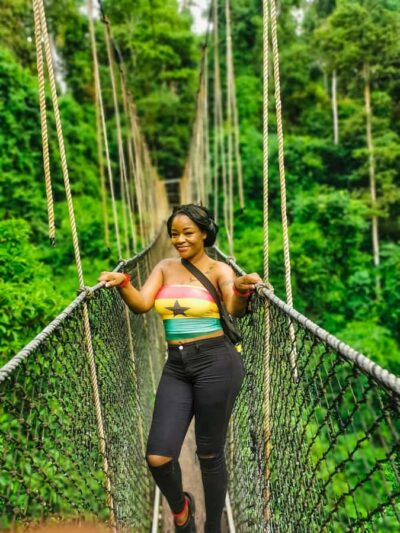
Cape Coast, Elmina Castle & Kakum Park Day Tour
Read our review →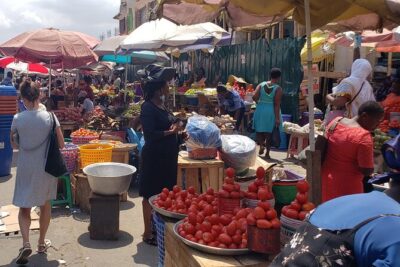
Boti Falls, Umbrella Rock, Aburi Gardens & Cocoa Farm Tour
Read our review →
Browse the lists this tour appears in