
Reviewed · CAPE COAST & ELMINA CASTLE TOURS
From Accra: Cape Coast and Elmina Castles Day Trip
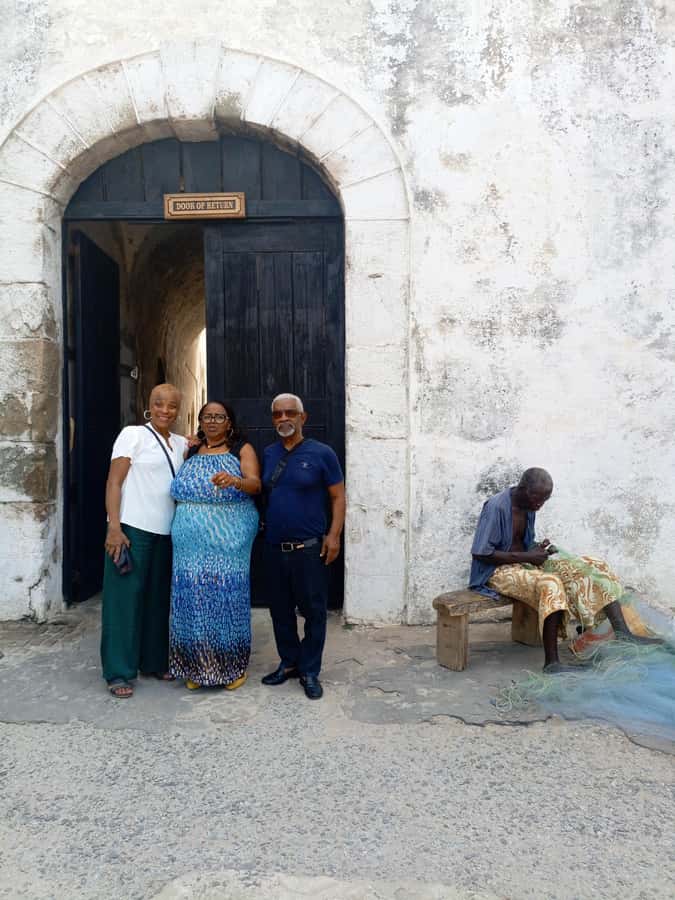
The most important part of this day is also the hardest: you walk through the forts where enslaved Africans were held before being forced onto ships bound for the Americas. Cape Coast Castle and Elmina Castle turn a huge historical subject into a physical place, with guide-led visits that connect rooms, walls, and shorelines to Ghana’s past.
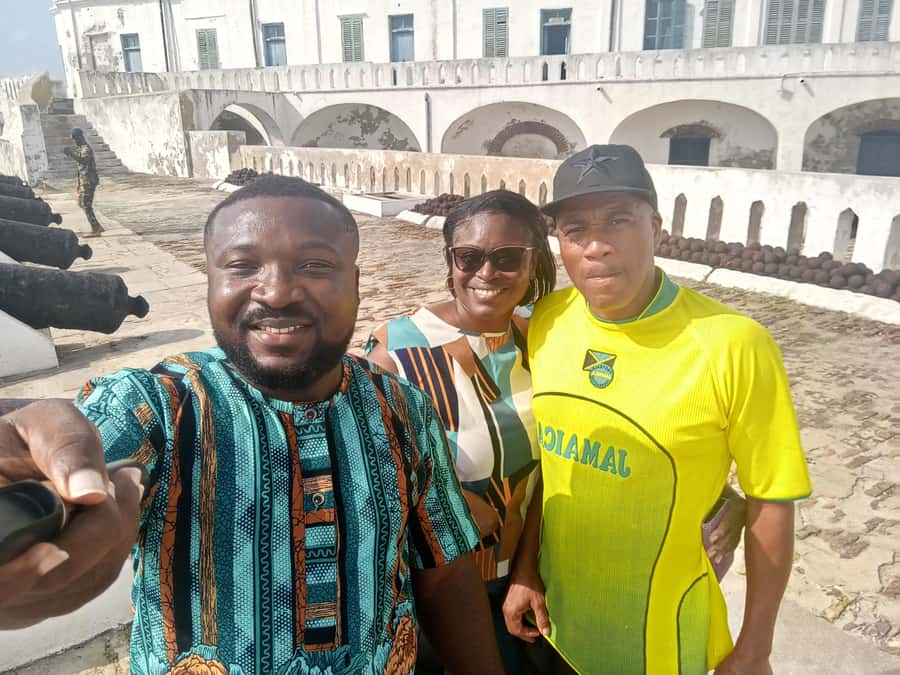
I like the door-to-door pickup and the calm ride from Accra, especially for a day that can feel emotionally heavy. I also like the personal touch from guides such as Jorge, Esther, Diya, and Clement, who bring local stories, humor, and context without losing sight of the subject’s seriousness.
The main drawback is the length. The Central Region is about 147 kilometers from Accra, and this is an all-day outing with a lot of driving and walking. The schedule may also include Kakum National Park and its canopy walk, so confirm the exact plan if the castles are your main reason for booking.
Key points to know before you book
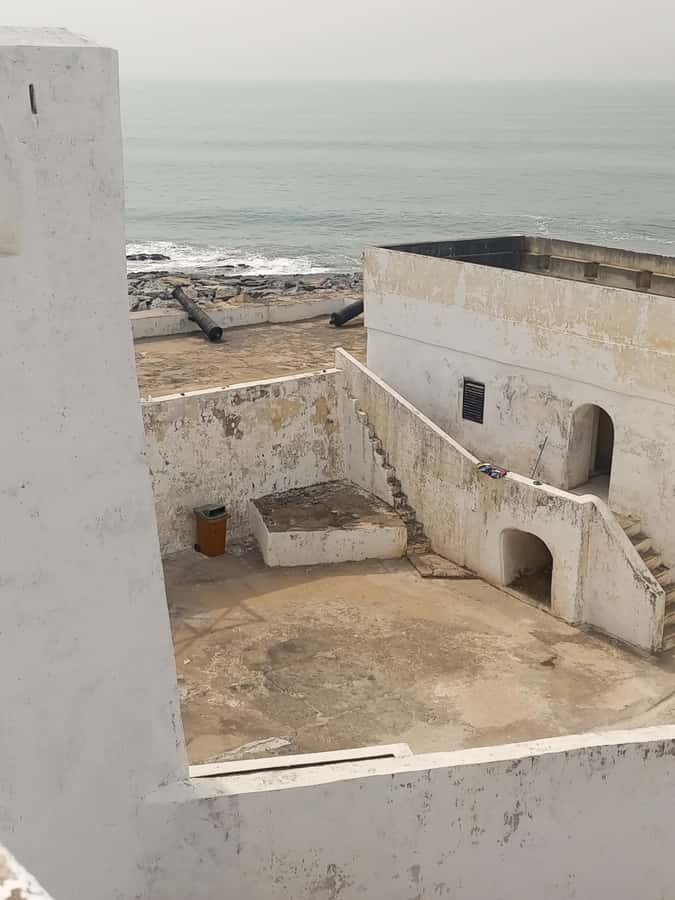
- Cape Coast Castle began as a Portuguese trading post in 1555 before becoming part of the trans-Atlantic slave trade.
- Elmina Castle dates to 1482 and is the oldest European building still in existence south of the Sahara.
- Fort St Jago sits opposite Elmina Castle, offering another view of the fort and its defensive role.
- Kakum National Park is included, and the day may feature a hike and canopy walk before the castle visits.
- Jorge, Esther, Diya, and Clement are among the guides associated with the experience, with a strong focus on historical context and personal care.
- Hotel pickup, drop-off, snacks, and air-conditioned transport are included in the $200 per-person price.
Why this day matters
A visit to Ghana’s Central Region is not a light sightseeing loop. It asks you to confront the machinery of the trans-Atlantic slave trade in the very buildings where people were confined, separated, and sent away.
That can be uncomfortable, and it should be. The value of the day comes from having a local guide help you place each site in context. A good explanation can show how European trade, military power, African kingdoms, coastal commerce, and the Atlantic shipping system fit together without reducing Ghana’s past to a single story.
You will hear about slave castles built by European traders along the Gold Coast of West Africa. These were not all identical. Some began as trading posts or forts, then changed purpose as European powers competed for control of trade and access to the coast.
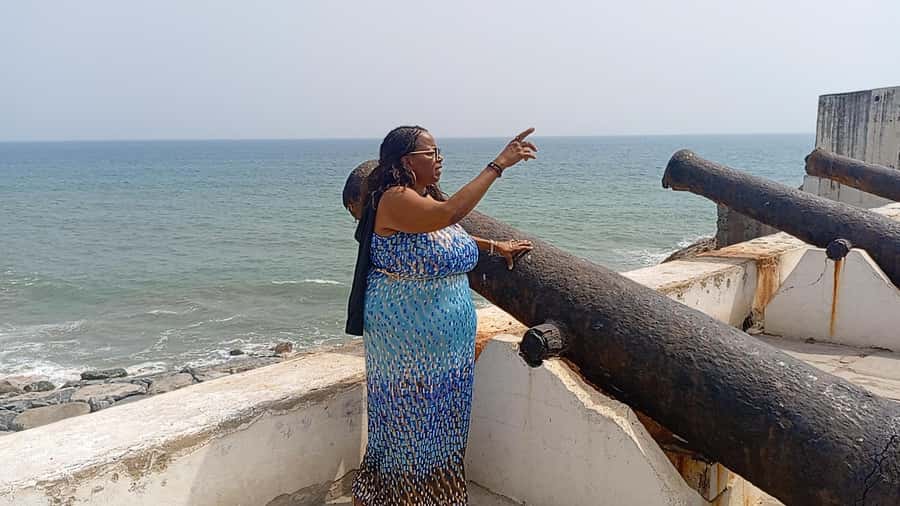
The setting also matters. These castles are not isolated museum displays. They are part of Ghana’s coastal towns and communities. You see the physical distance between the dungeons and the sea, and you begin to understand how architecture supported a system built on confinement and forced transport.
Because of the subject, give yourself room to think. You do not need to treat the stops like a race to collect photographs. A respectful pace makes the visit more meaningful.
Other visits to the Cape Coast and Elmina castles:
- The Cape Coast Day Tour
★ 5.0 · 525 reviews - The Cape Coast Tour
★ 5.0 · 177 reviews - From Accra: Cape Coast, Elmina Castle & Kakum Park Day Tour
★ 4.6 · 144 reviews
The ride from Accra to the Central Region
Your day begins with pickup at your accommodation in Accra. You travel in an air-conditioned car, with snacks provided during the trip.
That transport is a real part of the tour’s value. The distance to the Central Region is estimated at 147 kilometers, so arranging your own taxi, changing vehicles, or trying to manage a long intercity outing would add work to an already full day. Here, you can settle in and let the guide manage the route.
The drive is also when you can ask questions. Guides such as Jorge have been praised for being patient, approachable, and reassuring, particularly when people have many questions before the trip. That matters if you are unsure how emotionally demanding the castle visits may be or if you need a carefully managed schedule.
Pickup flexibility is another useful feature. The service includes collection from your accommodation in Accra and return to an Accra destination after the tour. One person also found the ability to arrange a return to a preferred destination especially helpful.
Still, do not mistake air-conditioned transport for a short outing. This is a full day. Anthony’s practical advice is sound: pack light, bring a small backpack, and wear good walking shoes.
Kakum National Park and the canopy walk
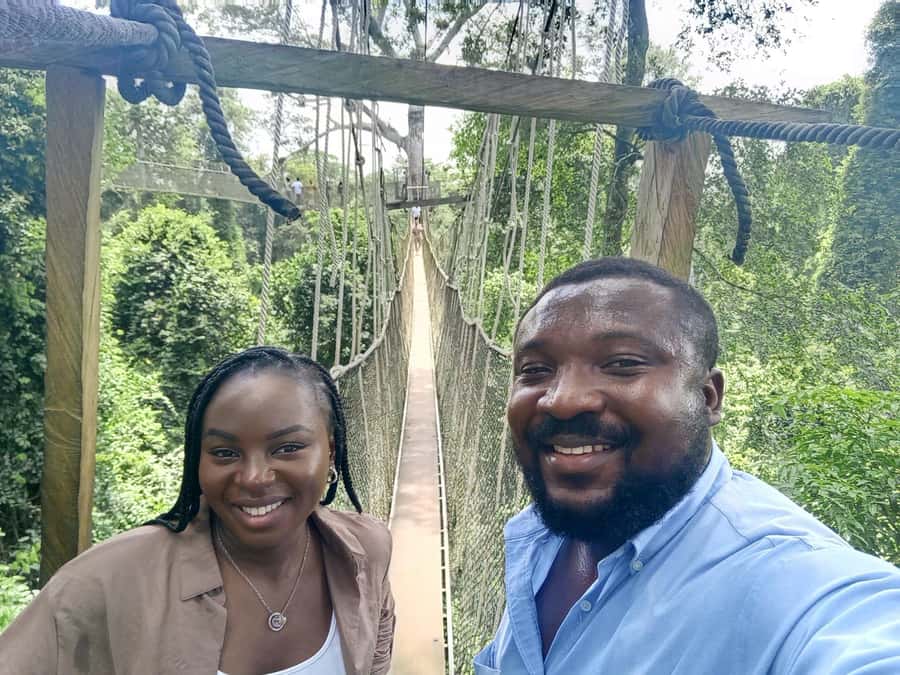
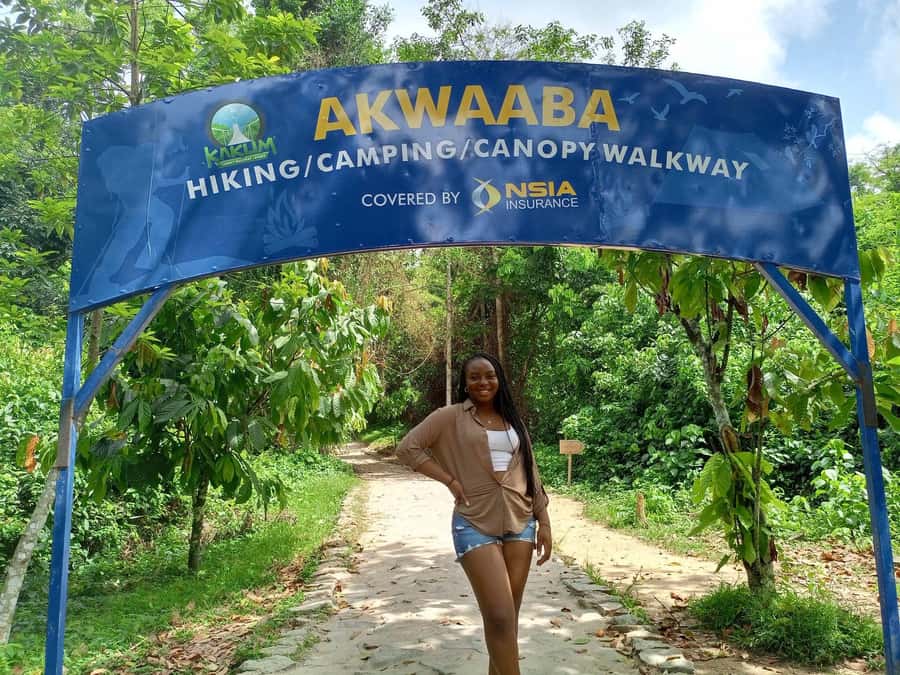
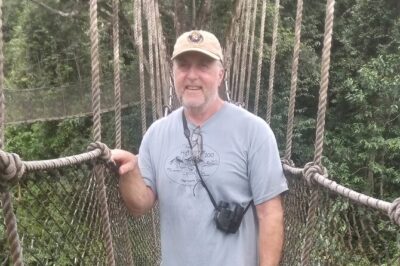
Kakum National Park is listed among the inclusions, and the experience can include a hike and canopy walk. The park adds a change of mood before or around the more serious castle visits.
The canopy walk is a physical activity, not simply a quick photo stop. You should expect walking and time outdoors, which makes comfortable shoes important. A hat and water are also sensible items to carry.
The schedule is not entirely clear from the supplied details. Some descriptions place Kakum in the day, while the main route focuses on Cape Coast Castle, Elmina Castle, and Fort St Jago. One person chose to skip the Kakum portion and continue to Elmina, and the operator accommodated that request.
For that reason, ask about the order and length of the Kakum stop before you set off. If you want the canopy walk, make sure it is part of your confirmed plan. If the castles are your priority, ask how much time will be protected for both castle visits.
This flexibility is useful, but it can also mean the day varies from one booking to another. A private or adaptable schedule may suit you well, but you should not assume that every part receives the same amount of time.
Cape Coast Castle and the rooms behind the walls
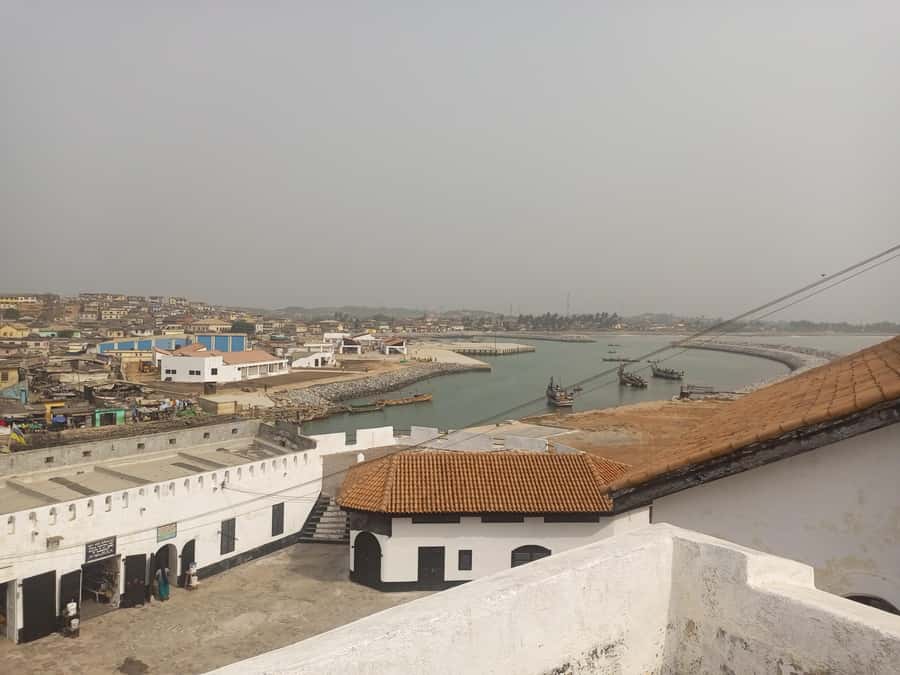
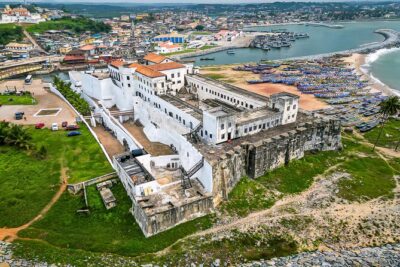
Cape Coast Castle is the first major historical stop described for the day. It is one of roughly 40 slave castles or large commercial forts built along the Gold Coast by European traders.
The site began as a Portuguese feitoria, or trading post, in 1555. Its later role in the trans-Atlantic slave trade is the part most people come to understand, but the earlier trading purpose helps explain how the fort developed and why its position on the coast mattered.
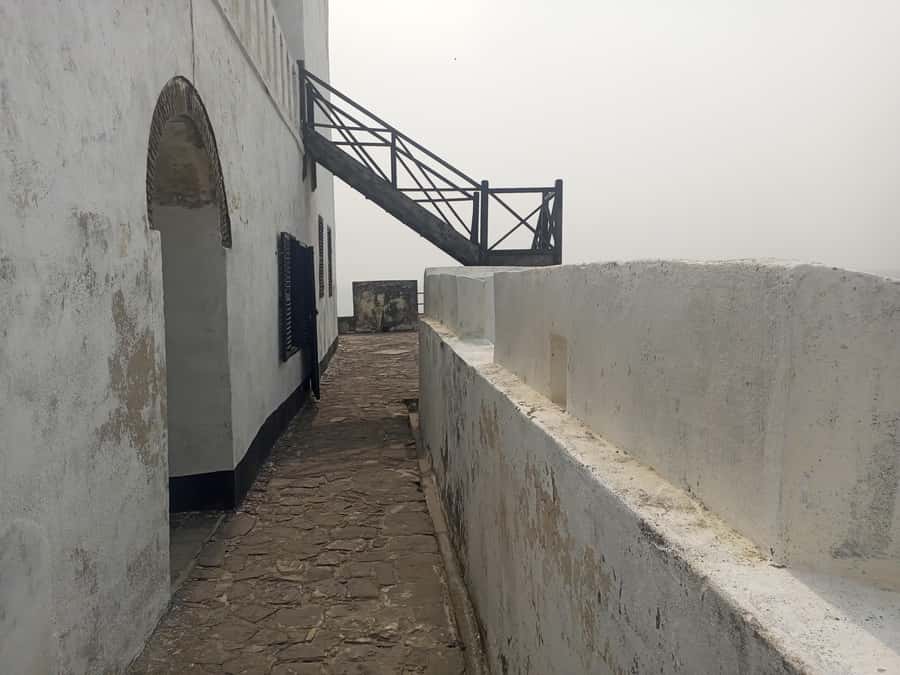
Inside, the guide connects the building’s commercial and military functions with the confinement of enslaved people. The castle was used to hold people before they were loaded onto ships bound for the Americas. Walking through the site makes the process feel concrete in a way that a book or lecture often cannot.
Expect the visit to be sobering. Alan described the castle tours as emotionally hard but important, which is a fair way to prepare yourself. This is not a stop where you simply admire old masonry. The rooms carry the weight of what happened there.
The guide’s role is central. Jorge has been praised for explaining difficult material with care and for sharing background information that makes the visit easier to understand. Diya and Clement have also been described as efficient, warm, and clear in their guidance.
You should listen closely, ask questions, and allow the guide to set the tone. The best part of a local-led visit is the chance to discuss Ghanaian history and memory in a way that a self-guided walk cannot provide.
A few more Accra days to weigh up
- One Day Tour To Cape Coast, Elmina Castle, Kakum National Park
★ 5.0 · 21 reviews - 1 Day cocoa farm tour
★ 4.5 · 11 reviews - Accra: Shai Hills and Volta River Cruise Day Trip with Lunch
★ 4.8 · 11 reviews - 1 Day Accra City Tour
★ 4.5 · 10 reviews
Elmina Castle, built in 1482
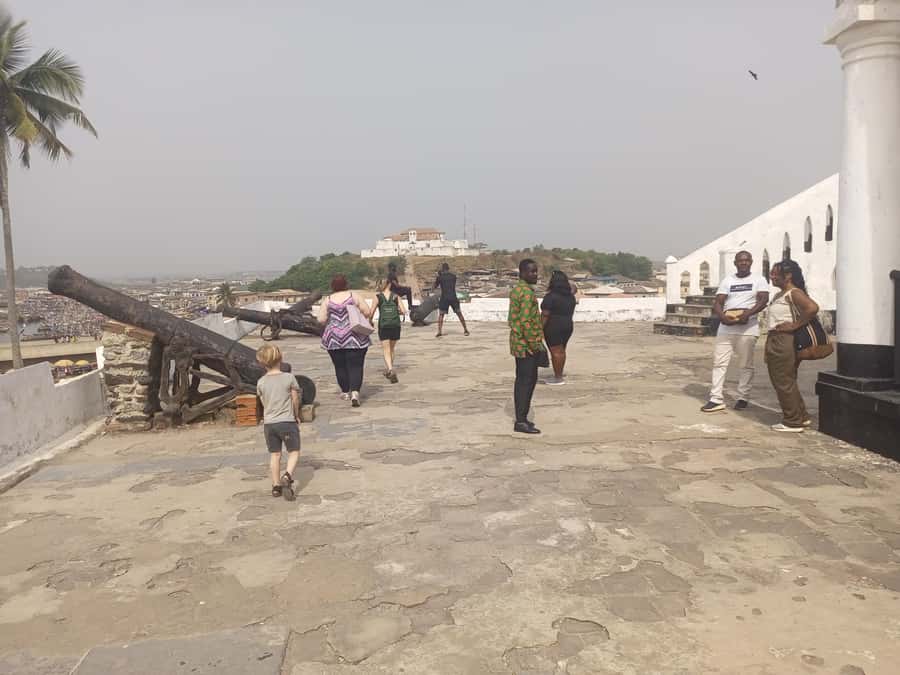
Elmina Castle is the day’s other major site. The Portuguese erected it in 1482, making it the first trading post built on the Gulf of Guinea and the oldest European building still in existence south of the Sahara.
That date gives the castle a long historical reach. It predates Cape Coast Castle by more than 70 years and reflects the early Portuguese presence on the West African coast. The site later became tied to the trans-Atlantic slave trade, adding another painful layer to its story.
The two castle visits work well together because they are not interchangeable. Cape Coast Castle helps you examine one major fort and its role in the slave trade. Elmina adds a different structure, a different founding date, and a broader view of European activity along the coast.
Plan for walking at both sites. You will be moving through historic spaces rather than sitting through a presentation, so good shoes are essential. The subject matter may also leave you wanting a quiet moment between stops. Build that into your expectations.
The guide can make the difference between seeing old walls and understanding the people affected by them. Jorge’s approach has been described as both informative and personal, with an ability to discuss the painful past while keeping the conversation respectful. That combination is useful here. You need facts, but you also need room for empathy.
Fort St Jago opposite Elmina
The final listed stop is Fort St Jago, also called Fort Coenraadsburg or Fort São Tiago da Mina. It is a small Portuguese chapel built in honor of Saint Jago and sits opposite Elmina Castle.
Its location explains its purpose. The fort was used to protect Elmina Castle, making it part of the military system around the larger stronghold. It is also described as one of the oldest military constructions on the Gold Coast.
Do not expect another attraction on the scale of Elmina Castle. Fort St Jago is smaller, but that is exactly why it works as a final stop. From across the way, you can consider how forts and defensive positions controlled access, trade, and movement along the coast.
This stop also gives you a different view of Elmina Castle. Instead of standing inside the larger complex, you see it in relation to another fortified site. That helps explain the strategic importance of the area.
After Fort St Jago, you return to Accra for drop-off. The return ride is a practical time to rest, process the day, and ask any final questions.
What the guides add
The strongest part of this experience is the human side of the guiding. Jorge is repeatedly described as calm, professional, welcoming, and deeply connected to Ghana. Esther has also been praised for helping create a warm and comfortable day, while Diya and Clement bring humor and clear explanations.
That does not mean the day becomes casual. The better guides use warmth to help you stay engaged with difficult material. They can explain local traditions, share background information, answer questions, and adjust the pace when needed.
Jorge’s care was particularly useful for people who felt nervous about booking or had concerns about timing. One person was worried about missing a flight later that day and appreciated his punctuality and patience. I would still avoid placing this tour too close to an important departure, since the route is long and traffic can affect any road trip, but the operator’s attention to timing is reassuring.
The guides also add cultural context beyond the castles. A Ghanaian visitor from the diaspora valued the explanations of history and traditions, which shows that the tour can work for people returning to Ghana as well as first-time visitors.
Food, comfort, and the small practical touches
Snacks are provided during the trip, and local food can be part of the day. Red red, a Ghanaian bean dish, received a particularly strong mention and may be a welcome break after the castle visits.
Food is not listed as the central feature, so you should not book this as a culinary tour. Still, a local meal can make the experience feel more connected to present-day Ghana, especially after spending hours focused on the past.
The air-conditioned vehicle is another worthwhile inclusion. You will spend a large part of the day on the road, so a comfortable car makes the distance easier. Pickup and drop-off at your accommodation remove much of the friction.
Bring your passport or ID card, comfortable shoes, a hat, a camera, and water. The camera is useful for the buildings and views, but use good judgment. Some areas call for quiet attention rather than constant photography.
Is $200 per person good value?
At $200 per person, this is not a budget day trip. Its value depends on what you want included.
You are paying for a full-day outing from Accra, private or arranged transport in an air-conditioned vehicle, pickup and return, snacks, local guiding, and entry visits connected with Cape Coast Castle, Elmina Castle, Fort St Jago, and Kakum National Park. The route covers a considerable distance, and the guide’s historical role is a major part of the experience.
I think the price makes more sense if you value convenience and personal attention. A self-arranged trip may look cheaper at first, but you would need to handle transport, timing, site visits, and local explanations yourself. Here, the operator can adjust the day, including accommodating a request to skip Kakum and continue to Elmina.
The value is also higher for first-time visitors who want context rather than a quick stop at each castle. The guides are not simply there to point out buildings. They help explain why the sites were built, how their roles changed, and how Ghana’s past connects to the wider Atlantic story.
For a solo visitor, $200 may feel steep. For a couple or small group that wants a comfortable, guided day with hotel service, the cost is easier to justify. The perfect fit is someone who wants the logistics handled and considers the guide’s insight as important as the transport.
Who should book this experience?
I would choose this trip if you have limited time in Ghana and want to visit the country’s major slave-trade sites from Accra without arranging a separate overnight stay in the Central Region.
It suits history-minded visitors, people tracing family or diaspora connections, and anyone who wants a local guide for a subject that deserves care. The combination of Kakum National Park and the castles also works well if you want some outdoor activity alongside the historical visits.
You should think twice if you dislike long road days, walking, or emotionally serious museums. The castles are not easy sightseeing, and the schedule may leave you tired by the time you return to Accra.
If you book, clarify three things first: the exact Kakum itinerary, how much time is planned at each castle, and your pickup and return details. Bring water, wear sturdy shoes, and keep your schedule after the tour free if possible.
Should you book it?
Book this tour if you want the Central Region’s major historical sites explained by a local guide, with transport and hotel logistics taken care of. Jorge, Esther, Diya, and Clement are associated with a guiding style that combines warmth, clear information, and respect for the subject.
I would not book it simply to collect photographs or squeeze in a quick attraction between flights. This is a long and serious day. But if you are ready to listen, walk, and reflect, it offers a direct way to understand Cape Coast and Elmina beyond the dates and stone walls.
The strongest reasons to choose it are the guide support, flexible pickup and return, air-conditioned transport, and the chance to see both castles in one day. The main caution is the distance and emotional weight. For the right visitor, that balance is exactly what makes the experience worthwhile.
FAQ
How far are Cape Coast and Elmina from Accra?
The Central Region destination is estimated to be 147 kilometers from Accra. The tour includes transportation from your Accra accommodation and return drop-off in Accra.
What sites are included in the day trip?
The listed sites include Cape Coast Castle, Elmina Castle, Fort St Jago, and Kakum National Park. The exact order and time spent at Kakum should be confirmed before departure.
Is Kakum National Park part of the tour?
Yes. Kakum National Park is listed among the inclusions, and the day may include a hike and canopy walk. The itinerary can be flexible, so ask the operator to confirm the Kakum portion.
Who guides the tour?
The experience is led by local English-speaking guides. Guides associated with the tour include Jorge, Esther, Diya, and Clement.
What should I bring?
Bring a passport or ID card, comfortable walking shoes, a hat, water, and a camera. Pack light, since the day includes a long drive and walking at the historic sites.
What is included in the $200 price?
The price is $200 per person and includes pickup and drop-off from accommodation in Accra, air-conditioned transportation, snacks, local guide services, Kakum National Park, Cape Coast Castle, and Elmina Castle.
Just added around Accra
- Experience Aburi Botanical Gardens And Boti Water Falls In A Day.★ 5.0 · 3 reviews
- Experience Cape Coast Castle and Kakum National Park★ 4.5 · 3 reviews
- Accra city tour★ 4.5 · 3 reviews
- 7days/6nights Eco Tourism★ 5.0 · 3 reviews
- Half-Day City Tour of Accra★ 5.0 · 3 reviews
- 3 Days Accra City Tour & Cape Coast Tour★ 4.5 · 3 reviews
- Local Ghanaian Food Tasting Tours★ 5.0 · 3 reviews
- Accra Zoo, Canopy Walk and Botanical Gardens Private Tour★ 5.0 · 3 reviews
Cape Coast & Elmina Castle Tours, compared.

Cape Coast, Elmina Castle & Kakum Park Day Tour
Read our review →

10 Days Trip to Cape Coast and Elmina Castles from Accra
Read our review →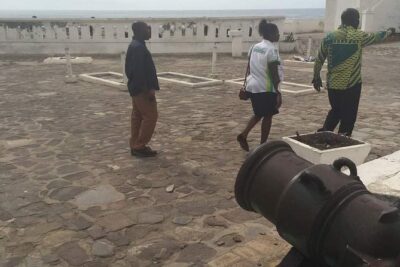
The Homecoming Experience To Cape-coast And Elmina.
Read our review →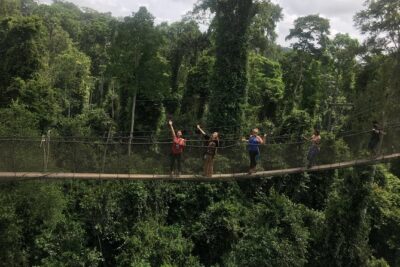
Cape Coast/Elmina Slave Dungeon and Canopy Walkway Private Tour
Read our review →
Assin Manso Slaves River and Cape Coast Castle Tour
Read our review →Browse the lists this tour appears in