
Reviewed · CAPE COAST & ELMINA CASTLE TOURS
Black History Tour – Back to Your Roots (Accra to Assin to Cape Coast to Elmina)
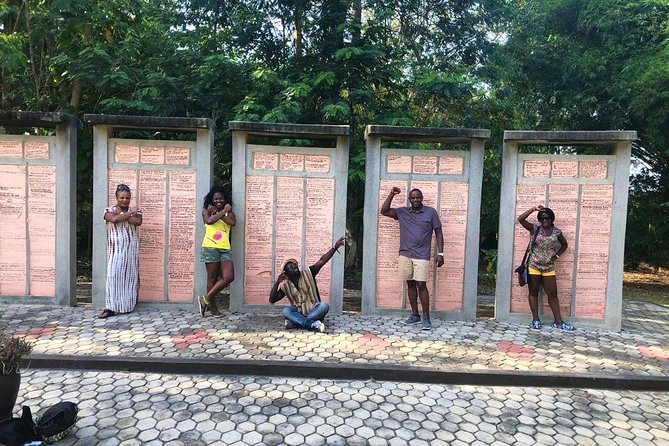
The most powerful part of this two-day journey is the stop at Assin Manso Ancestral Slave River Park, where enslaved people were given a final bath before being forced onward to the coast. That setting gives the history a human scale before you enter the castles where the trade was organized.
I like the private format, which gives Nana, Prince, or another guide room to adjust the pace and explain difficult subjects with care. I also like that the route links three different places: the river, Cape Coast Castle, and Elmina’s old town. The main drawback is the long first day from Accra, and the $720 price per person deserves a close look if your group is small.
Key points to know before booking
- Assin Manso connects the inland journey to the coastal castles, giving you context before the castle visits.
- Cape Coast Castle and Elmina Castle are UNESCO World Heritage sites tied directly to the transatlantic slave trade.
- Nana and Prince are named guides associated with the experience, with a reputation for warmth, patience, and personal service.
- The private setup suits families and heritage groups, especially African American visitors tracing ancestral connections.
- The tour includes overnight accommodation and meals, though you should confirm the hotel and exactly which meals are covered.
- Day one begins at 7:00 a.m. at Accra Mall, so this is a full, early-starting trip rather than a relaxed coastal break.
Why this route matters beyond the castles
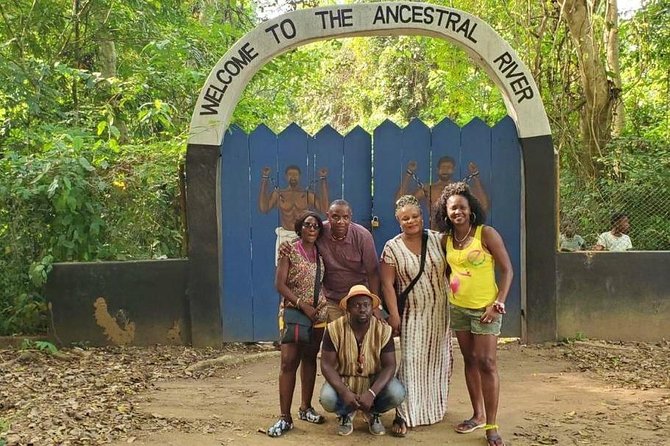
Many Cape Coast excursions focus on the grand coastal forts and leave out the inland stages of the slave trade. This route begins at Assin Manso, which helps you understand that the castles were the final holding points in a much longer forced journey.
At the Slave River Park, your guide explains that enslaved people took a final bath before traveling through the forest for roughly three weeks toward the coast. The visit is designed as a moment of connection at the river, not just a quick photo stop.
That matters because the castles can otherwise feel like isolated monuments. At Assin Manso, you begin with the movement of people, the separation from home, and the loss of freedom. At Cape Coast and Elmina, you then see the system that confined and shipped them away.
I would approach this tour with emotional readiness. The subject is painful, and the language of ancestry can make it especially personal. The experience is not a light sightseeing outing, but it can be meaningful if you want history presented through places connected to real human suffering.
Other visits to the Cape Coast and Elmina castles:
- The Cape Coast Day Tour
★ 5.0 · 525 reviews - The Cape Coast Tour
★ 5.0 · 177 reviews - From Accra: Cape Coast, Elmina Castle & Kakum Park Day Tour
★ 4.6 · 144 reviews
The early drive from Accra to Assin Manso
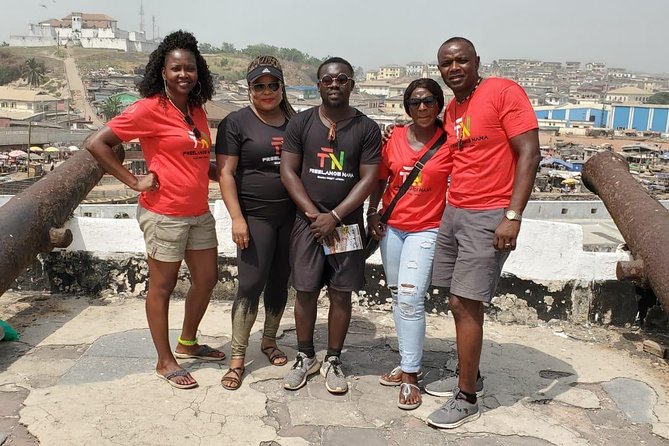
Your meeting point is Shoprite Accra Mall on Tetteh Quarshie Avenue, with a 7:00 a.m. start. Pickup is offered, but the stated meeting point is the detail to confirm when you book. A private vehicle and guide make the long road to the Central Region easier than managing public transport and separate admissions yourself.
The drive is important to the shape of the day. You are going from Ghana’s capital toward the historic coastal towns, with Assin Manso along the way. Since the first day includes both Assin Manso and Cape Coast Castle, expect a packed schedule rather than long periods for wandering.
This is one reason the private format adds value. You can ask questions as the route unfolds, and your guide can provide background before each major site. The company identifies Nana and Prince among its guides, and the strongest personal detail attached to the experience is their friendly, patient style. One account describes feeling at home with them, which is especially useful to know if you want a host who can help you feel comfortable during a sensitive trip.
The early start also has a practical downside. If you are staying far from Accra Mall, allow enough time to reach the meeting point. The tour ends back at the meeting point, so this is easiest for you if your Accra plans fit that start and finish.
Assin Manso Slave River Park and the last bath
You spend about two hours at Assin Manso, with admission included. The site is presented as the last point where enslaved people bathed before being sent through the forest to the coastal castles and then across the Atlantic.
The river visit is the emotional center of day one. Your guide explains the forced journey and the role of this place in the movement of enslaved people. You also have time to connect with the site in a personal way, which is why the stop can carry special meaning for people researching family ancestry or African American heritage.
Do not expect an ordinary riverside attraction. The value comes from the explanation and the setting together. Without the historical context, a short stop at a river might seem simple. With the story of the final bath and the march to the coast, the place becomes a marker of departure and loss.
The tour description uses the phrase Slave Market for this stop, while the named attraction is Assin Manso Ancestral Slave River Park. If precise site details matter to you, ask the operator what parts of the park and memorial area are included during the two-hour visit.
Cape Coast Castle and the machinery of the trade
After Assin Manso, you continue to Cape Coast and stop for lunch before visiting Cape Coast Castle. The castle visit lasts about two hours, and admission is included.
Cape Coast Castle began as a Portuguese trading post in 1555. In 1653, the Swedish Africa Company built a timber fort on the site. It later became one of the major European forts connected with the trade in enslaved Africans along the Gold Coast.
The castle is not merely an old building with sea views. Its rooms and holding areas help explain how European commercial interests turned human beings into cargo. Your guide is there to connect the architecture with the wider story, including what happened to later generations and how the trade affected communities beyond the immediate period.
I appreciate the order of this visit. You first hear about the inland journey at Assin Manso, then see the coastal fort where people were held before shipment. That sequence gives the castle a clearer meaning than a stand-alone guided tour.
Two hours is enough for a serious introduction, but it is not an unlimited amount of time. If you prefer to read every display slowly or take long pauses, ask how strictly the schedule is kept. The rest of the route still lies ahead, and day one has already involved a substantial drive.
More history visits around Accra:
- Experience the Beauty, History and the Culture Of Accra in a Day
★ 5.0 · 323 reviews - Ghana Heritage Tours – Beyond The Return
★ 5.0 · 36 reviews - 10 Days Ghana Cultural and Heritage Trip
★ 5.0 · 31 reviews - Cape Coast Historical Day Tour
★ 5.0 · 24 reviews
Overnight in Cape Coast and the pace of day one
The tour includes overnight accommodation, making it possible to visit Elmina early on the second day instead of racing back to Accra after the castle tour. That overnight stay is a practical benefit, especially for a private group that wants time for conversation and reflection.
The supplied details do not name the accommodation or state its exact location. You should confirm whether the room is private, what standard of lodging is provided, and whether dinner is included. The overview says all meals are included, while the detailed inclusions specifically list breakfast and two lunches. That difference is worth clearing up before you pay.
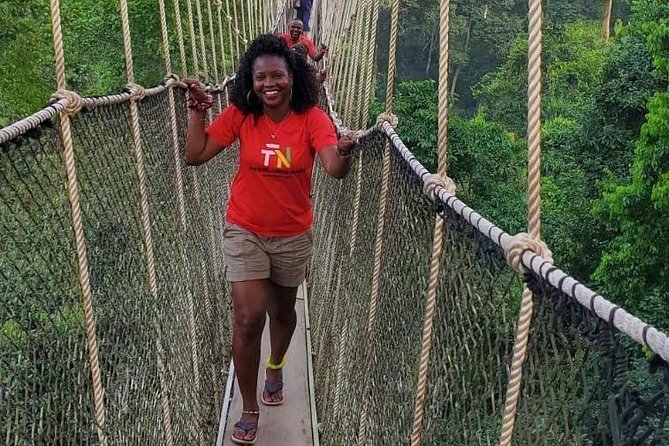
The same point applies to the route’s mention of Kakum National Park. It appears among the highlights, but the detailed two-day schedule does not give Kakum a stop or timing. If the canopy walkway or park visit is important to you, ask the operator to confirm whether it is included on your date.
Elmina Castle, Fort Jago, and the old town
Day two begins in Elmina, described as one of Ghana’s most historic towns. The main visit is Elmina Castle, with about three hours set aside for the castle, Fort Jago, the salt-mining village, and a walking tour through the town.
Elmina Castle is identified as the oldest European building still existing below the Sahara. Its history reaches back to the Portuguese presence, and the town later had a strong Dutch connection. The visit includes the 17th-century Dutch Cemetery and old buildings linked to the period of slavery.
This makes Elmina different from Cape Coast. Cape Coast Castle gives you a major introduction to the trade and the coastal fort system. Elmina adds a broader look at the town that grew around these structures, including military buildings, burial grounds, work connected with salt, and everyday community life.
The walking portion is one of the more valuable features for you if you want more than a castle interior. You can see how the historic buildings sit within a living town rather than treating the past as something sealed off behind museum walls.
The schedule also allows time, if available, to visit homes in local communities. This is not guaranteed, since the description makes it dependent on time. If it happens, it offers a closer look at daily life and local traditions. Keep your expectations flexible, and remember that a home visit should be approached with courtesy and respect.
The guide makes the private format worthwhile
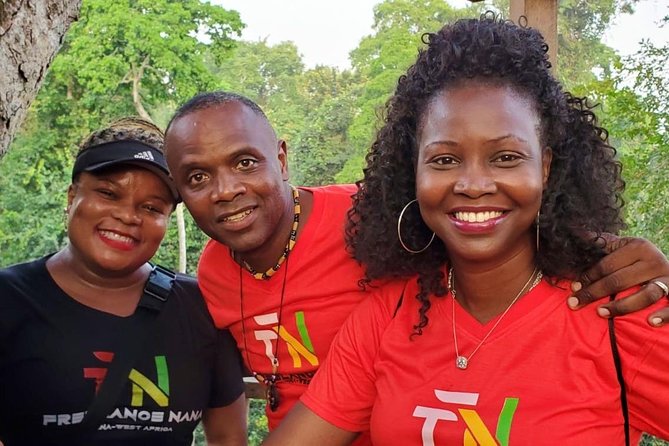
A private tour is most useful here because the subject invites questions. You may want to ask about family origins, local memory, the trade’s effect on Ghanaian communities, or the difference between the forts. A fixed group tour can move on before those questions are answered. With your own guide, you have a better chance to set the pace.
Nana and Prince are the two guide names connected with the experience. The personal accounts associated with the tour place particular emphasis on their hospitality, patience, professionalism, and ability to show a lot of Ghana in a short time. One group of 10 African American visitors used the company for a longer Ghana trip and found the team dependable and personable. That is useful evidence for larger heritage groups considering a private booking.
Still, guide quality can vary by date, so ask who will lead your specific departure. You should also tell the operator in advance if your group wants more time for ancestral reflection, more architectural detail, or more discussion of present-day Ghana. The route has enough substance to support different interests, but only if the guide knows what you want.
Is $720 per person good value?
At $720 per person, this is not a budget excursion. The price covers a private two-day experience, transport along a long route, site admissions, overnight accommodation, and meals. For a group that values personal guiding and a direct connection to Ghana’s slave-trade sites, those inclusions can make the cost reasonable.
The value improves as your group grows, provided the operator offers the stated group discounts. A group of 10 can share the benefits of a private guide and vehicle while receiving a more personal experience than a large scheduled bus tour. For one or two people, the same price feels harder to justify unless the private service and heritage focus are your main priorities.
Before booking, confirm the details that affect the price most:
- What accommodation is included?
- Is dinner included, or only breakfast and lunch?
- Is Kakum National Park part of your actual departure?
- What transportation and pickup arrangements apply?
- Who will guide your group?
- Are group discounts available for your party size?
The admissions are included, which keeps the day simpler. You do not need to budget separately for the listed visits, though you should still allow for personal spending unless the operator tells you otherwise.
Who should book this experience?
I would recommend it to you if you want Ghana’s coastal slave castles placed within a larger ancestral story. It is especially suited to African American heritage groups, families researching Ghanaian connections, and first-time visitors who want a guide to handle the history and logistics.
It also suits people who prefer private travel. You will not be sharing the activity with unrelated groups, and most people can participate. Service animals are allowed, and the tour is near public transportation, though the early meeting point and long road journey still require reasonable mobility and stamina.
This may not suit you if you want a slow beach holiday, a flexible photography trip, or a gentle two-day schedule. The first day begins early and combines a long transfer with two major historical sites. The subject matter is also heavy, so you should choose it because you want to engage with the past, not simply because the castles look impressive.
Booking, cancellation, and weather details
Confirmation is provided when you book. Free cancellation is available if you cancel at least 24 hours before the 7:00 a.m. start time. Inside that 24-hour window, you should expect no refund, and changes are not accepted.
The tour requires suitable weather and a minimum number of participants. If poor weather or low enrollment causes cancellation, you are offered another date or experience, or a full refund. Even though this is a private activity, confirm the minimum requirement if your group is very small.
Should you book the Back to Your Roots tour?
Book this tour if you want a focused, private journey from the inland slave route to the castles at Cape Coast and Elmina. Assin Manso gives the trip its strongest sense of place, while Nana or Prince can help connect the sites to Ghanaian culture, ancestry, and later generations.
I would book it for a heritage-focused group of several people, where the private format and group discount can soften the $720 cost. Before paying, confirm the accommodation, dinner, Kakum National Park, pickup details, and guide assignment. If those points match your plans, this is a serious and personal way to encounter Ghana’s past in only two days.
FAQ
Where does the tour begin?
The tour begins at Shoprite Accra Mall on Tetteh Quarshie Avenue in Accra. The scheduled start time is 7:00 a.m.
Where does the tour end?
The activity ends back at the meeting point at Shoprite Accra Mall.
Which historical sites are included?
The route includes Assin Manso Ancestral Slave River Park, Cape Coast Castle, and Elmina Castle. The Elmina visit also includes Fort Jago, a salt-mining village, the 17th-century Dutch Cemetery, and a walk through the town.
Is accommodation included?
Yes. Overnight accommodation is included, but the supplied details do not name the property or describe its room arrangements.
Are meals included?
Breakfast and two lunches are listed as included. The overview also says all meals are included, so you should confirm whether dinner is part of your booking.
Can I cancel for a refund?
You can receive a full refund if you cancel at least 24 hours before the experience start time. Cancellations and changes made within 24 hours are not accepted for a refund.
Just added around Accra
- Experience Aburi Botanical Gardens And Boti Water Falls In A Day.★ 5.0 · 3 reviews
- Experience Cape Coast Castle and Kakum National Park★ 4.5 · 3 reviews
- Accra city tour★ 4.5 · 3 reviews
- 7days/6nights Eco Tourism★ 5.0 · 3 reviews
- Half-Day City Tour of Accra★ 5.0 · 3 reviews
- 3 Days Accra City Tour & Cape Coast Tour★ 4.5 · 3 reviews
- Local Ghanaian Food Tasting Tours★ 5.0 · 3 reviews
- Accra Zoo, Canopy Walk and Botanical Gardens Private Tour★ 5.0 · 3 reviews
Cape Coast & Elmina Castle Tours, compared.
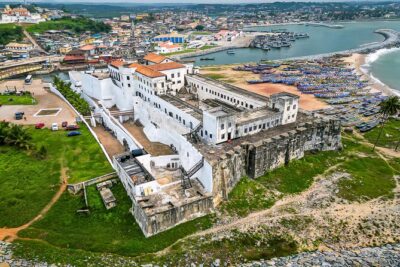

Cape Coast, Elmina Castle & Kakum Park Day Tour
Read our review →

10 Days Trip to Cape Coast and Elmina Castles from Accra
Read our review →
The Homecoming Experience To Cape-coast And Elmina.
Read our review →
Cape Coast/Elmina Slave Dungeon and Canopy Walkway Private Tour
Read our review →
Assin Manso Slaves River and Cape Coast Castle Tour
Read our review →Browse the lists this tour appears in