
Reviewed · CAPE COAST & ELMINA CASTLE TOURS
3 Days Accra City Tour & Cape Coast Tour
Accra gives you the clearest start to Ghana: a presidential memorial park, Independence Square, and a cultural center filled with objects from Ghana and nearby West African countries. Then the tour turns west for Kakum’s canopy bridges and the sobering sites tied to the trans-Atlantic slave trade.
I like the way this trip joins modern Accra with coastal history instead of treating them as separate holidays. I also like the private format. Mohammed has customized plans for guests, and guides such as Maanan, Med, and Richard have helped make the service feel personal and reassuring.
The trade-off is the pace. A 6:00 am start and several long sightseeing days leave little room for wandering on your own. Cape Coast and Elmina receive focused visits rather than leisurely exploration, so this is best for you if you want a strong first look at Ghana in three days.
Key points at a glance
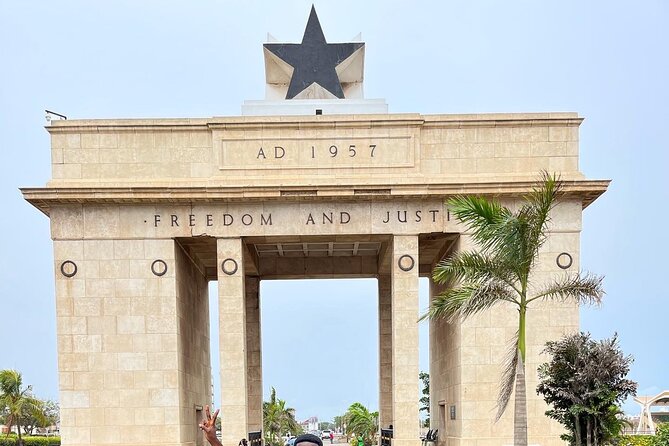
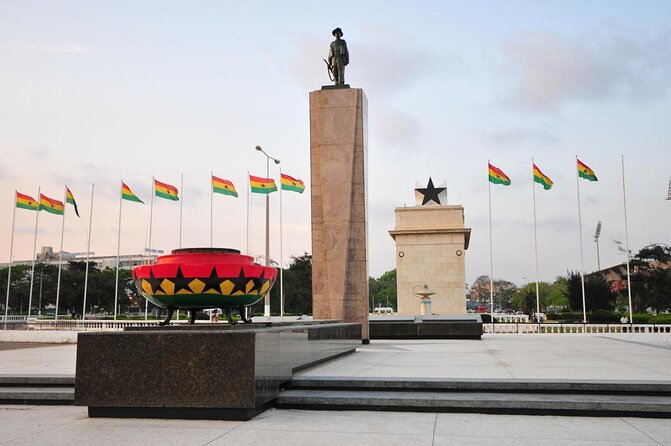
- Accra’s Independence Square brings the Independence Arch, Black Star Gate, and Liberation Day Monument into one compact visit.
- Asomdwe Park combines the memorial site for former President J.E.A. Mills with small animal areas containing ostriches, fish, and birds.
- Kakum National Park offers a short hike and suspension bridges about 100 feet above the ground.
- Assin Manso connects the northern slave route with the coastal castles and includes the sacred Slave River and re-interment site.
- Cape Coast Castle and Elmina Castle show two different European strongholds linked to administration, trade, and the slave trade.
- Private touring and pickup make the plan easier to adjust, with group discounts available and free cancellation up to 24 hours before departure.
Why this three-day route works
This tour is built around contrast. Day one stays in Accra, where public monuments and cultural collections help you understand Ghana as a modern nation. Days two and three move into the Central Region, where forests, castles, coastal trade, and forced migration shape the story.
That order makes sense. You first get your bearings in the capital, then move toward the places where European trade and the slave trade left their most visible mark. You are not simply checking off attractions. You are following a route from national identity to older systems of trade and human exploitation.
The tour costs $490 per person. That is not a budget walk, but the value depends on what the fee covers for your group. Admission is included at Asomdwe Park, Independence Square, the Centre for National Culture, Kakum National Park, Assin Manso, and Cape Coast Castle. Elmina Castle is listed with free admission.
Pickup is offered, and the activity is private, so the price may make more sense for a couple, family, or small group than for a solo visitor comparing it with a large shared bus tour. Group discounts are also available. Before booking, I would ask exactly what transportation, meals, accommodation, and any guide or driver costs are covered, since those details are not provided here.
Other visits to the Cape Coast and Elmina castles:
- The Cape Coast Day Tour
★ 5.0 · 525 reviews - The Cape Coast Tour
★ 5.0 · 177 reviews - From Accra: Cape Coast, Elmina Castle & Kakum Park Day Tour
★ 4.6 · 144 reviews
Accra begins with memory and national identity
The 6:00 am start gives you a full day, but it is an early one. Your first stop is Asomdwe Park, the serene site where the remains of former President John Evans Fiifi Atta Mills are held.
This is not a large attraction, and the scheduled visit lasts about 30 minutes. Its value comes from the quiet mood and the connection to Ghana’s recent political life. A small animal area adds an unexpected touch, with ostriches, fish, and birds. I would treat this as a calm opening rather than a major wildlife visit.
Independence Square follows for about 40 minutes. The site contains the Independence Arch, Black Star Gate, and Liberation Day Monument, all tied to Ghana’s struggle for independence. The open space gives the monuments room to speak for themselves, and your guide can help connect the symbols to the country’s national story.
This is one of the most useful stops for a first visit because it gives you a clear visual sense of Ghana’s public identity. You should not expect an indoor museum or a long guided program. It is a monument stop, best appreciated through context and photographs.
The Centre for National Culture completes the Accra portion. You get about 40 minutes to see a collection of Ghanaian historical objects along with material from neighboring West African countries. The museum is housed beneath a two-tiered rotunda, which gives the visit a distinctive setting.
The short time here means you will need to keep moving. Still, this stop adds cultural context that the outdoor monuments cannot provide. I like that the collection reaches beyond Ghana alone, since the region’s art, trade, and traditions do not fit neatly inside modern borders.
Kakum’s canopy bridges add a physical challenge
Day two shifts from city monuments to forest. Kakum National Park is scheduled for about an hour, including a hike and the famous canopy walk.
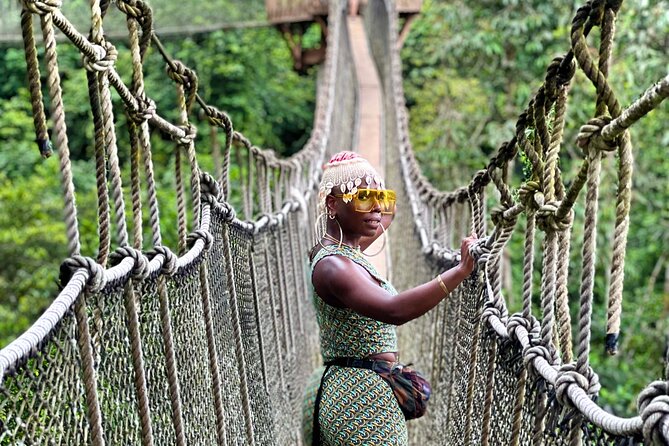
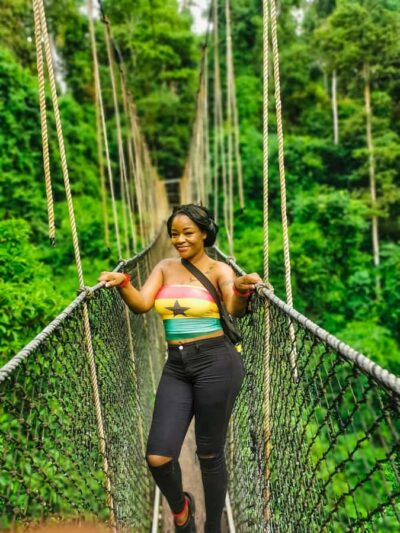
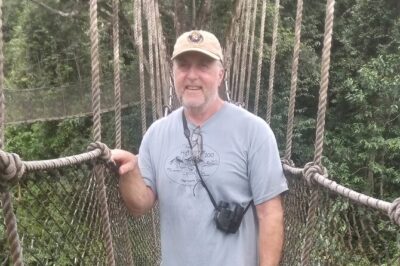
The suspension bridges rise roughly 100 feet above the ground. From that height, you see part of the forest from a viewpoint normally available to climbers and birds. The bridges are wooden and suspended, so this is not a flat stroll through a paved park.
You should be comfortable with a little height and movement underfoot. The information provided does not give a difficulty grade, distance, or accessibility details, so ask the operator if those points matter to you. An hour is enough for a focused visit, but not for a long nature walk or patient wildlife watching.
Kakum is valuable because it changes the emotional rhythm of the trip. After the formal sites in Accra, you are moving, looking up, and paying attention to the forest itself. The visit is short, but the canopy bridges give the day a memorable centerpiece.
Assin Manso connects the inland route to the coast
Assin Manso Ancestral Slave River Park asks for a slower kind of attention. Assin Manso was the final link in a slave route from northern Ghana and was once a major market where enslaved people were supplied to forts and castles along the coast.
The site includes the Slave River, known as Nnonko Nsuo, meaning Slave River. Enslaved people were washed and sorted here before sale to merchants. The river is therefore not simply a scenic stop. It is part of the machinery that connected inland capture and sale with the coastal fort system.
The park also includes a cemetery where Samuel Carson from the United States and Crystal from Jamaica were re-interred in 1998. That detail connects the site to the wider African diaspora and the long aftermath of forced removal.
You receive about an hour here. I would not rush it. The setting is described as sacred, and the importance lies in remembering the people connected to this place, not in treating it as just another point on a sightseeing route.
This stop also helps you understand why Cape Coast Castle and Elmina Castle cannot be viewed as isolated buildings. The coast was the final stage of a larger route. Assin Manso shows part of what came before the dungeons and shipping points.
More ways to see Accra on foot:
- Know Ghana in 4 hrs – Accra City Tour
★ 4.5 · 47 reviews - Escape Accra City to Aburi Gardens and Tetteh Quarshie Cocoa Farms
★ 4.5 · 32 reviews - Accra City Tour
★ 5.0 · 21 reviews - Accra City Tour Experience
★ 5.0 · 20 reviews
Cape Coast Castle puts the system in physical form
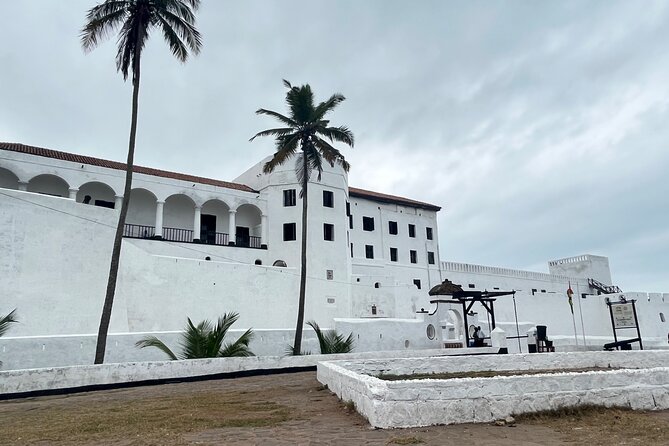
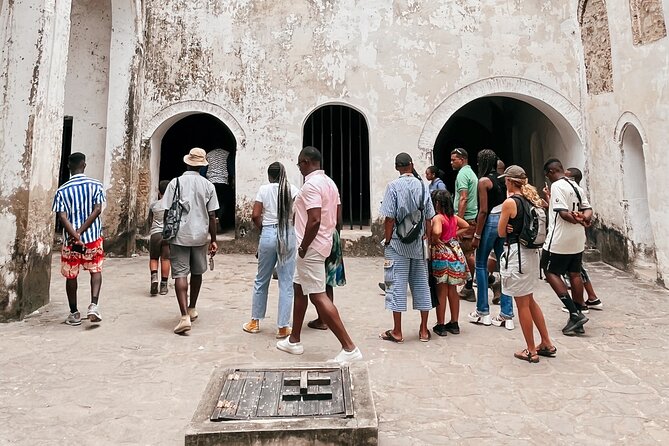
Day three begins with Cape Coast Castle, one of the most important visits on the route. The castle served as a slave castle and later as an administrative center for British rule in West Africa.
The 45-minute visit includes the museum and the dungeons where enslaved people were held while awaiting shipment to the New World. The castle’s power comes from the collision between its solid walls and the human suffering they contained. You are not only looking at a military or trading structure. You are walking through a place designed to control people.
Forty-five minutes is enough for an introduction, but it may feel brief if you want to read every display or ask extended questions. If your group is especially interested in the historical material, tell your guide early that you would value time for explanation rather than a quick walk-through.
I find this stop works best when placed after Assin Manso. At the river, you see an inland processing point. At Cape Coast Castle, you see the coastal holding and shipping system. The two visits give the subject a clearer shape than either one could provide alone.
Elmina reveals an older European trading post
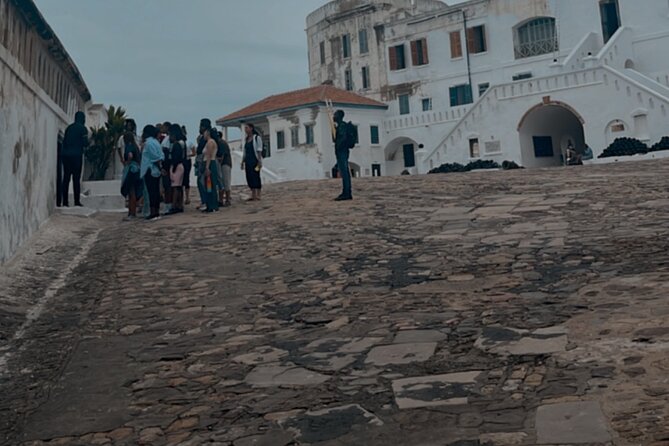
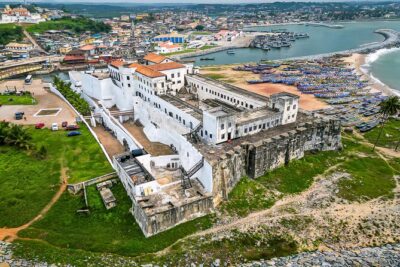
The final major stop is Elmina, about 45 minutes from the information provided. Elmina was founded by Portugal in 1482 and is described as the first European trading post on the Gulf of Guinea, as well as the oldest European building south of the Sahara.
The site later passed to the Dutch in the 17th century and Britain in the late 19th century. Elmina Castle and other forts along the Gold Coast protected ports used for European-African gold and ivory trade. These places later became centers of the trans-Atlantic slave trade.
Elmina Castle is part of the UNESCO World Heritage listing covering 18 fortified trading posts in Ghana’s Volta, Greater Accra, Central, and Western regions. That designation tells you the site matters not only to Ghana but to world history.
The short visit gives you a useful comparison with Cape Coast Castle. Both are coastal fortifications, yet their changing owners and commercial roles show how European powers competed for control of trade. The supplied information lists admission to Elmina as free, but it does not state whether any local guiding or other site costs apply.
Because Cape Coast Castle and Elmina come on the same day, the experience can feel dense. I would pay attention to the differences between them rather than trying to memorize every date. Notice who built each place, what goods passed through it, and how trade later became tied to the forced movement of people.
The private format can make a real difference
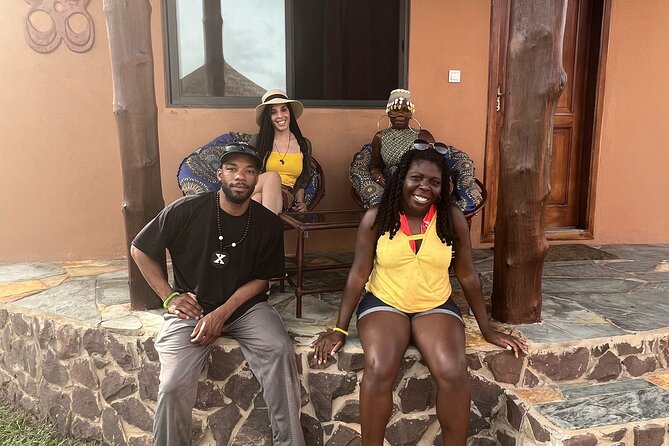
This is a private activity, meaning only your group participates. That matters most at places such as Assin Manso and the castles, where you may want to pause, ask direct questions, or set a more serious pace.
The service can also be customized. Mohammed has adjusted itineraries, including a last-minute addition, according to the information available. That flexibility is useful if you have a particular interest in Ghanaian politics, cultural collections, the slave trade, or outdoor stops.
Names connected with the guiding service include Maanan, also written as Mannan in the supplied information, along with Med and Richard. Maanan is described as patient, kind, and strong at explaining the tour. Med and Richard helped a solo visitor feel safe and at home. Those details matter if you are arriving in Ghana alone or feel uncertain about arranging a long trip outside Accra.
I would still confirm which guide is assigned to your booking. The names are useful, but the information does not promise a specific guide for every departure.
Who will get the most from this tour
This trip suits you if you have only three days and want Accra plus the Central Region without arranging every transfer yourself. It also fits first-time visitors who want both outdoor scenery and serious historical sites.
I would recommend it for:
- Solo visitors who prefer a private arrangement
- Couples and small groups seeking a flexible schedule
- People interested in Ghana’s independence, culture, and political history
- Visitors who want to see both Kakum National Park and the coastal castles
- Anyone willing to start early and spend substantial time on the road
It may be less suitable if you want long, unhurried visits, extensive wildlife viewing, or a relaxed beach holiday. Beaches are included in the broad tour description, but no beach stop appears in the detailed schedule, so ask for clarification before you book if that is important to you.
The itinerary also gives limited time at each main attraction. That is the price of fitting so much into three days. You gain range, but not much unscheduled time.
Practical details before you reserve
Confirmation is provided at booking, and most people can participate. The supplied details do not specify accessibility arrangements, vehicle type, hotel plans, meals, or exact pickup points, so I would ask those questions before paying.
Free cancellation is available if you cancel at least 24 hours before the local start time. Cancellations within 24 hours are not refunded, and changes inside that window are not accepted.
The tour ends back at the meeting point. Since pickup is offered but the exact arrangements are not stated, confirm where pickup and return take place, especially if you are staying outside central Accra.
The 6:00 am start is fixed in the information provided. Pack lightly, wear practical shoes for Kakum, and leave room in your day for road time. Those are simple choices, but they matter on a three-day route that covers both Accra and Cape Coast.
Should you book the Accra and Cape Coast tour?
Book it if you want a private, tightly organized introduction to southern Ghana and value historical context over free time. The strongest feature is the sequence: Accra’s national monuments, Kakum’s elevated forest walk, Assin Manso’s remembrance site, and the castles at Cape Coast and Elmina.
At $490 per person, compare the price against what your group receives beyond admission tickets. Ask about transport, meals, accommodation, and the exact pickup plan. If those items are included, the private format and customization may offer solid value. If they are extra, your final cost will be higher than the headline price.
I would choose this tour for a first visit, especially as a solo guest who wants trusted local help. I would skip it only if you dislike early starts, short visits, or long travel days. For three days, it covers a serious amount of ground and gives you a clear, meaningful introduction to Ghana’s capital and central coast.
FAQ
Where does the tour begin?
The activity starts at 6:00 am. Pickup is offered, but the exact pickup location is not provided.
Where does the tour end?
The activity ends back at the meeting point.
Is this a private tour?
Yes. Only your group participates in the activity.
How long does the tour last?
The tour lasts approximately three days.
What attractions are included in Accra?
The Accra portion includes Asomdwe Park, Independence Square, and the Centre for National Culture.
Does the tour visit Kakum National Park?
Yes. Kakum National Park is scheduled for day two and includes the canopy walk, with about one hour at the park.
Are admission fees included?
Admission is listed as included for Asomdwe Park, Independence Square, the Centre for National Culture, Kakum National Park, Assin Manso Ancestral Slave River Park, and Cape Coast Castle. Elmina is listed with free admission.
What is the cancellation policy?
You can cancel at least 24 hours before the experience starts for a full refund. Cancellations or changes made less than 24 hours before the local start time are not accepted and are not refunded.
More Three-Day Trips from Accra
- Volta Region 3 Days 2 nights Nature Private Tour
★ 5.0 · 11 reviews - 3 Days Private Wanderlust Eco Tour in Volta, Ghana.
★ 4.5 · 9 reviews - 3 Days Grassroots Safari To Mole
★ 5.0 · 54 reviews - 3 Days Sunrise Elephant Safari-Mole Park with -Round Trip Flight
★ 5.0 · 6 reviews
Just added around Accra
- Accra Zoo, Canopy Walk and Botanical Gardens Private Tour★ 5.0 · 3 reviews
- Local Ghanaian Food Tasting Tours★ 5.0 · 3 reviews
- Historical tour in Cape Coast Ghana★ 5.0 · 3 reviews
- Half Day Accra City Sightseeing Tour With Guide★ 5.0 · 3 reviews
- Accra Slave Tour★ 5.0 · 3 reviews
- Cape Coast Castle and Kakum National Park 2-Day Private Tour★ 5.0 · 3 reviews
- Half-Day Guided Fabric Tour in Ghana★ 5.0 · 3 reviews
- Accra: Half day private safari with pick up★ 3.5 · 3 reviews
Cape Coast & Elmina Castle Tours, compared.
Cape Coast, Elmina Castle & Kakum Park Day Tour
Read our review →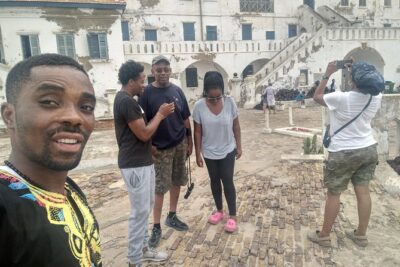
10 Days Trip to Cape Coast and Elmina Castles from Accra
Read our review →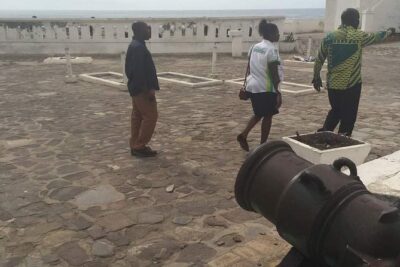
The Homecoming Experience To Cape-coast And Elmina.
Read our review →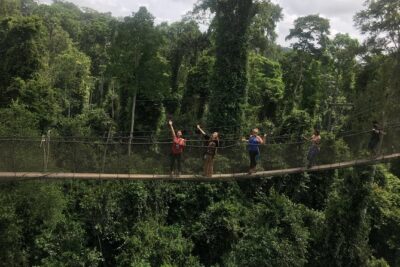
Cape Coast/Elmina Slave Dungeon and Canopy Walkway Private Tour
Read our review →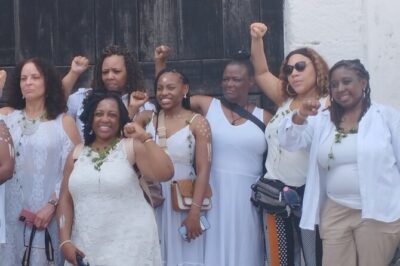
Assin Manso Slaves River and Cape Coast Castle Tour
Read our review →Browse the lists this tour appears in